
Standing in the lighting aisle, staring at rows of halogen light bulbs, LEDs, and traditional incandescents, the choice isn’t obvious. Wattage, lumens, color temperature, base type, lifespan—each specification matters, but not all are created equal. If you’re replacing a halogen light lamp, you need to know what you’re buying and why. This guide cuts through the marketing noise. We’ll compare halogen light bulbs vs LED, break down the different halogen light bulbs types, and give you the criteria that actually determine which bulb belongs in your fixture. Based on our years of engineering and manufacturing experience, we’ve seen what works—and what fails.
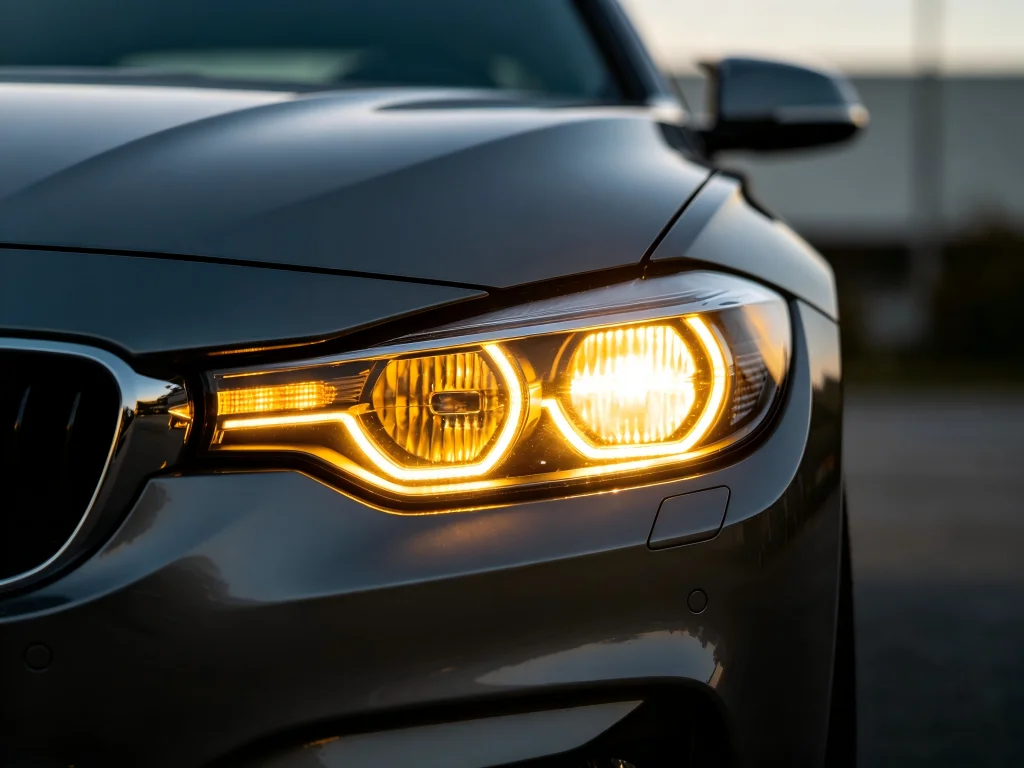
1. Halogen vs LED vs Incandescent: The Essential Comparison
Halogen bulbs deliver superior color rendering and instant full brightness but consume significantly more energy and generate more heat than LEDs. LEDs offer the lowest long-term cost; halogens offer the lowest upfront cost.
| Feature | Halogen | LED | Incandescent |
|---|---|---|---|
| Lifespan | 1,000–3,000 hrs | 10,000–50,000 hrs | 750–1,500 hrs |
| Energy Efficiency | 15–25 lm/W | 80–100 lm/W | 10–17 lm/W |
| Heat Output | Very High | Low | Very High |
| Color Temperature Range | 2,700K–3,200K | 1,500K–9,000K | 2,700K |
| Upfront Cost | Low ($5–$20) | Moderate-High ($20–$100+) | Very Low |
| Long-Term Cost | Higher | Lowest | Highest |
| Dimmability | Excellent, smooth | Good (compatible models) | Excellent, smooth |
| Instant Full Brightness | Yes | Yes (most models) | Yes |
| Color Rendering (CRI) | 100 (perfect) | 80–98 | 100 (perfect) |
LEDs use around 80-85% less energy than a standard halogen light bulb and last 10 to 25 times longer. Halogen edges out traditional incandescent in efficiency, but both fall far behind LED. However, halogen remains the choice for applications requiring perfect color rendering, instant full brightness regardless of temperature, or compatibility with existing dimmers and fixtures.
2. Understanding the Different Halogen Light Bulbs Types
Not all halogen bulbs fit the same socket or serve the same purpose. Choosing the wrong type means it won’t fit, won’t work with your dimmer, or won’t deliver the beam pattern you need.
2.1. Common Halogen Bulb Types by Application
- A19 (Arbitrary) Halogen Bulbs – The classic light bulb shape. Direct replacements for traditional incandescent A19 bulbs in table lamps, floor lamps, and general household fixtures.
- T (Tubular) Halogen Bulbs – Slim, cylindrical design. Common in wall sconces, pendant lights, torchiere floor lamps, and microwave ovens.
- R20 Halogen Bulbs – Recessed lighting fixtures. Dim smoothly and work well in kitchens and track lighting.
- PAR Halogen Bulbs – Parabolic aluminized reflector. Precise beam control for floodlights, desk lamps, accent lighting, and outdoor security.
- MR16 Halogen Bulbs – Multifaceted reflector. Low-voltage spotlights for display cases, track lighting, and landscape lighting.
- G-Type (Capsule) Halogen Bulbs – Compact bi-pin or single-ended designs. Used in under-cabinet lighting, puck lights, and small fixtures.
- J-Type (Linear) Halogen Bulbs – Long, tubular bulbs. Common in work lights, floor lamps, and outdoor security fixtures.
- Automotive Halogen Bulbs – Designed for vehicle headlights, fog lights, and interior lighting. Available in numerous base types including H1, H4, H7, 9005, 9006, and more.
For automotive applications, most halogen car headlight bulbs produce a color temperature between approximately 3,200K and 5,000K. Higher color temperature doesn’t necessarily mean better visibility—usable beam pattern and lumen output matter more than Kelvin rating.
3. Critical Buying Criteria: What the Top-Ranked Articles Miss
Most buying guides tell you to check wattage and base type. That’s necessary but insufficient. Here are the criteria that separate a good halogen light lamp from a great one.
3.1. Quartz Purity and Envelope Quality
The envelope of a halogen lamp must withstand extreme temperatures and internal pressure. High-purity quartz resists devitrification—the crystallization that turns clear quartz opaque over time. Lower-quality bulbs use cheaper glass that clouds faster, reducing light output and shortening lifespan.
3.2. Gas Fill Precision
The halogen cycle depends on the precise ratio of inert gas to halogen (iodine or bromine). Too little halogen and the cycle doesn’t complete; too much and the bulb fails prematurely. Quality manufacturers measure and control gas fill with laboratory precision. Cheap bulbs cut corners here.
3.3. Filament Winding and Support
Filament geometry determines beam pattern, efficiency, and vibration resistance. In automotive halogen light bulbs, poorly supported filaments fail from road vibration. In task lighting, inconsistent winding creates hot spots and uneven illumination.
3.4. Voltage Tolerance
Halogen lamps are sensitive to voltage fluctuations. Bulbs rated for a narrow voltage range fail quickly in real-world conditions. Quality bulbs are tested across a wider operating range to handle typical line voltage variations.
3.5. UV Blocking
Halogen lamps emit ultraviolet radiation. Quality bulbs include UV-blocking coatings or use quartz that filters UV. Without this protection, UV can fade fabrics, damage artwork, and degrade plastic fixtures over time.
4. Common Pitfalls to Avoid When Buying Halogen Bulbs
- Buying the cheapest option. Substandard halogen bulbs may exceed permitted wattage by up to 49%, creating glare and overheating hazards. The savings aren’t worth the risk.
- Ignoring the fixture’s maximum wattage. Installing a higher-wattage bulb than your fixture is rated for generates excess heat that can melt sockets and start fires.
- Touching the glass during installation. Skin oils create hot spots that cause premature failure or shattering. Always handle with gloves or a cloth.
- Assuming all dimmers work with all halogen bulbs. While most halogen bulbs are dimmable, compatibility with specific dimmer switches varies. Check both specifications.
- Replacing halogen with LED without checking transformer compatibility. Many halogen fixtures use transformers designed for specific loads. LED replacements may not work correctly with existing transformers.
5. What Users in the Field Are Saying
“I’ve used every major brand of halogen headlight bulbs over 15 years of fleet maintenance. GTR’s automotive halogens consistently outlast others in the same vehicles. The beam stays crisp right up to failure—no gradual dimming.” — Dave R., Fleet Operations, 12+ years
“Our photo studio relies on halogen for color-critical work because LEDs still can’t match the continuous spectrum. We tested GTR’s halogen lamps against our usual European brand and saw identical color rendering with 30% longer life. That’s real cost savings.” — Elena M., Commercial Photographer
These experiences reflect what we see in our engineering labs: consistent manufacturing, precise gas fills, and rigorous quality control translate directly to field performance. The difference isn’t theoretical—it shows up in replacement intervals and operating costs.
6. When to Choose Halogen Over LED (and Vice Versa)
Choose halogen when: You need perfect color rendering (CRI 100) for color-critical work. You require instant full brightness in cold environments where LEDs may dim. Your existing dimmer switches are designed for halogen loads. You’re replacing bulbs in fixtures that generate heat that helps evaporate moisture (some outdoor applications). You want the lowest possible upfront cost for temporary or low-use applications.
Choose LED when: You want the lowest long-term operating cost. Your bulbs are in hard-to-reach locations where long lifespan matters most. Energy efficiency and heat reduction are priorities. You’re retrofitting fixtures used for many hours daily. You need a wider range of color temperatures or smart lighting features.
For many users, the choice isn’t binary. Some fixtures in a home or facility may benefit from halogen, while others are better suited to LED. The key is matching the technology to the application.
7. Frequently Asked Questions About Halogen Light Bulbs
7.1. Are halogen bulbs being phased out?
Many regions are phasing out inefficient halogen bulbs in favor of LED alternatives. However, specialty and automotive halogen bulbs remain widely available. Check local regulations for specific phase-out dates.
7.2. Can I use a halogen bulb in any fixture?
No. Halogen bulbs generate significant heat and require fixtures rated for their wattage and temperature. Enclosed fixtures without ventilation can cause overheating and premature failure.
7.3. What does the "halogen cycle" actually do?
The halogen cycle redeposits evaporated tungsten back onto the filament instead of allowing it to darken the glass. This extends bulb life and maintains light output.
7.4. Why are halogen bulbs so expensive compared to incandescent?
Halogen bulbs use more expensive materials—quartz envelopes, precise gas mixtures, and higher-quality filaments. They also last longer and produce whiter, brighter light than standard incandescents.
7.5. How do I know which halogen bulb type I need?
Check your existing bulb for markings (wattage, voltage, base type, and model number). If the markings are illegible, consult your fixture’s manual or take the old bulb to a lighting supplier for identification.
7.6. Are halogen bulbs dimmable?
Most halogen bulbs are dimmable and dim more smoothly than many LEDs. However, confirm compatibility with your specific dimmer switch.
7.7. What's the difference between halogen and xenon headlight bulbs?
Xenon (HID) bulbs produce light through an electrical arc rather than a heated filament. They’re brighter and more efficient than halogen but more expensive and complex to install.
8. Choose Smarter. Choose GTR.
You now have the knowledge to choose the right halogen light lamp for your application—and to avoid the costly mistakes that shorten bulb life and compromise safety. GTR halogen lamps are engineered with precision gas fills, high-purity quartz, and rigorously tested filaments. We don’t just sell bulbs; we provide lighting solutions backed by decades of manufacturing expertise and real-world testing.
Whether you’re outfitting a workshop, upgrading vehicle headlights, or replacing specialty lighting, GTR has the halogen light bulbs you need—built to last and perform.
Visit https://www.rhgtr.com to browse our full catalog. Not sure which bulb you need? Contact our technical support team—we’ll help you match the right halogen light bulb to your fixture, the first time.