
You flick on the high beam. The road ahead stays a gray blur. That worn-out halogen bulb in your motorcycle light housing is doing its best—which is exactly the problem. It was barely adequate when new. Now, with a few seasons of vibration and heat cycles behind it, it’s a liability.
I’ve ridden behind enough dim headlights to know the feeling: your shoulders tighten, your speed drops, and every shadow looks like a pothole or a deer. The worst part? You don’t realize how much you’ve been straining until you ride a bike with proper lighting. In our engineering testing at GTR, we’ve measured the output drop on aged halogen bulbs, and the numbers are sobering—often 30% or more lumen loss before the filament finally quits.
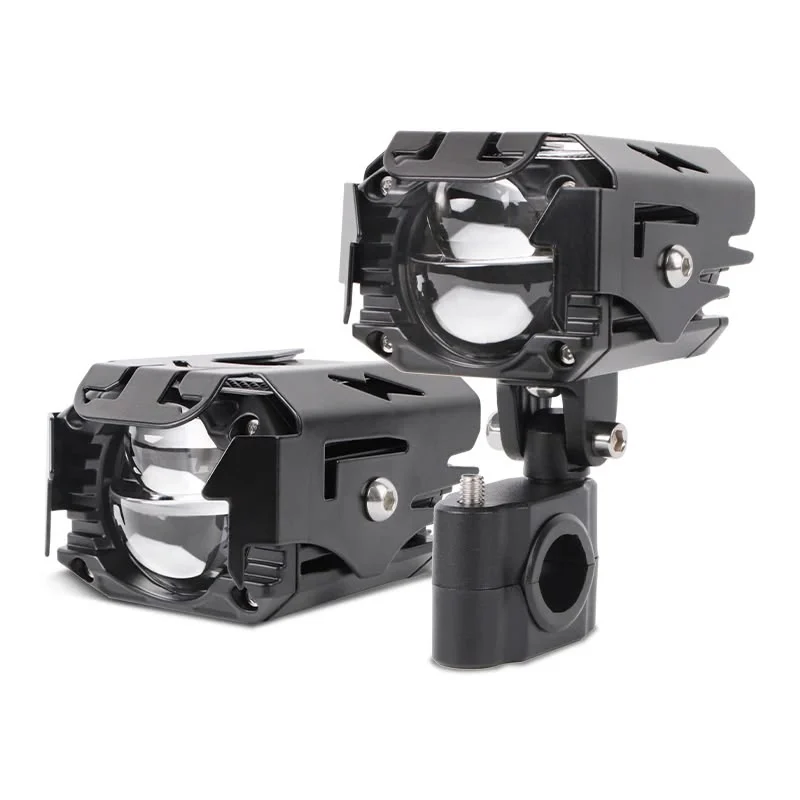
1. The Real Problem Isn’t Just Brightness—It’s Usable Light
Most riders blame wattage or color temperature when their motorcycle light feels weak. The actual culprit is usually beam pattern degradation and reflector wear, which scatter light into oncoming traffic instead of putting it on the road.
Here’s what happens over time. Your reflector’s chrome coating dulls. The bulb’s filament shifts slightly off its focal point due to vibration. The result isn’t just less light—it’s *worse-directed* light. You get glare that annoys other drivers and a hot spot that illuminates ten feet of asphalt while leaving the critical 100–200 foot zone in darkness .
Riders on forums describe it plainly. One eBay reviewer of a budget LED bulb noted that despite the “brighter” output, the beam cutoff was so poorly defined that oncoming cars flashed their high beams constantly . Another praised a different unit specifically because it maintained “a defined line at the top of the low beam, like a good bulb should” . The difference wasn’t lumens. It was optical discipline.
2. Why Cheap LED “Upgrades” Often Make Things Worse
The aftermarket is flooded with motorcycle light bulbs that promise 3000, 5000, even 8000 lumens. What the listings don’t tell you is that raw lumen count is nearly meaningless if the diode placement doesn’t match your reflector’s geometry. LED chips emit light directionally, not in a 360-degree sphere like a halogen filament . Shove a poorly positioned LED into a reflector designed for a halogen bulb, and you get a beam that’s simultaneously too bright up close and too dim where you need it.
Heat is the other silent killer. LEDs generate heat at the back of the chip, not the front. Without adequate heatsinking—and sometimes active cooling—the diodes degrade rapidly. One critical eBay review of a popular budget LED described chips “going on and off” after just two months . That’s thermal failure, not a fluke.
2.1. What a Proper Motorcycle Light Upgrade Actually Requires
Based on our years of manufacturing expertise, a legitimate LED upgrade for a halogen-equipped motorcycle must satisfy three conditions:
- Diode placement matches the stock filament focal point. If the LED chips aren’t positioned exactly where the halogen filament sat, the reflector can’t focus the light. Period.
- The driver and heatsink are sized for sustained operation. A fanless, finless bulb rated at high output is a marketing claim, not an engineering reality. Heat must go somewhere.
- The beam cutoff is preserved or improved. A sharp upper cutoff on low beam keeps light on the road and out of oncoming eyes. Without it, you’re a hazard, not a safer rider.
3. The GTR Difference: Engineered for the Beam, Not the Brochure
When we designed our motorcycle light bar kits and LED replacement bulbs, we started with a simple constraint: the beam pattern had to work in real reflector housings, not just in a lab. That meant optical simulation, not guesswork. It meant measuring lux at 50 feet, 100 feet, and 200 feet—not just publishing a raw lumen number.
Our motorcycle light bar kits use CREE LED chips with a lenticular center optic and striated edges. The center concentrates light for long-range throw. The edges diffuse light for close-range width. On a dark canyon road, that combination matters more than any single brightness figure .
| What Riders Often Buy | What Actually Works | GTR Approach |
|---|---|---|
| High raw lumens, poor beam control | Moderate lumens with precise optics | Lux-tested at 200 ft, not just lumen-rated |
| Fanless “high output” bulbs | Adequate thermal path for sustained output | Aluminum housing + driver designed for continuous use |
| Universal fitment claims | Diode position matched to reflector type | Application-specific testing across popular models |
| No cutoff documentation | Sharp low-beam cutoff for road safety | ECE-compliant beam patterns where applicable |
4. Fog, Rain, and the Limits of Any Headlight
No motorcycle light solves every condition. In dense fog or heavy rain, even the best LED headlight throws light back at you because water droplets reflect it. That’s physics, not a product flaw. This is where auxiliary motorcycle fog lights installation becomes worth considering—not as a replacement for your headlight, but as a supplement aimed low and wide.
We’ve seen riders mount fog lights at fork level or on crash bars, angled slightly downward. The goal is to illuminate the road surface directly ahead, below the fog layer, without creating glare. A proper motorcycle light switch with a dedicated fog circuit lets you toggle them independently of your main beam. That’s the difference between a useful accessory and a wiring nightmare.
5. Frequently Asked Questions
5.1. Will an LED motorcycle light bulb work in my stock reflector?
It can, but only if the LED’s diode placement mimics the original halogen filament position. Many cheap bulbs don’t, which is why riders report poor beam patterns and glare after upgrading .
5.2. Are brighter motorcycle lights always better?
No. Excessive brightness without beam control creates glare for other riders and drivers, and can actually reduce your own distance vision by washing out the foreground. Usable light matters more than raw output.
5.3. Do I need a relay or switch for auxiliary motorcycle lights?
Yes, for any light drawing meaningful current. A dedicated relay and fused circuit protect your bike’s wiring and let you control the lights independently. Handlebar-mounted motorcycle light switches are the cleanest solution.
5.4. How long do LED motorcycle bulbs actually last?
Quality LEDs can last 25,000 hours or more in ideal thermal conditions . Budget bulbs without adequate heatsinking often fail far sooner—sometimes within months, as rider reviews frequently note .
5.5. Will LED lights pass inspection or legal requirements?
Depends on your jurisdiction. Some regions require ECE or DOT markings for street-legal LED replacement bulbs . Auxiliary lights often have separate rules about mounting height and use. Check local regulations before upgrading.
You don’t have to accept a dim, uncertain ride. The road is already unpredictable enough without your motorcycle light adding to the doubt. If you’re ready to see what a properly engineered beam pattern feels like—one that puts light where you need it and keeps glare where it belongs—explore the GTR lighting lineup at https://www.rhgtr.com. Your next night ride can start with confidence instead of squinting.