
Walk into any bike shop or scroll through bicycle headlights Amazon results and you’ll face a dizzying array of options. Some cost $15. Others cost $300. Most look identical on the shelf. But the differences between a light that keeps you safe and one that leaves you stranded aren’t visible in the packaging. This guide cuts through the marketing noise and shows you exactly what to look for—based on engineering principles, real-world testing, and decades of manufacturing expertise.
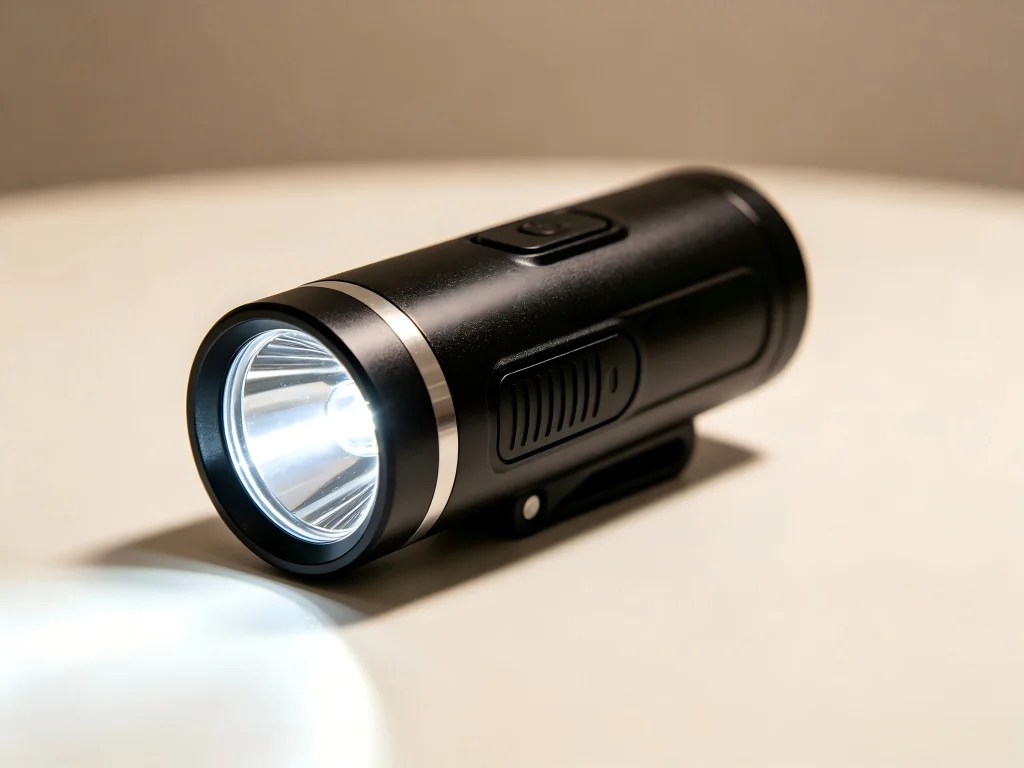
1. What You're Actually Buying
A bicycle headlight is more than a bulb in a housing. It’s a thermal management system, an optical assembly, a battery management unit, and a mechanical mounting solution—all working together. When any one of these subsystems fails, the whole light fails. Understanding each component is the first step to making a smart purchase.
2. 要因1:ルーメン vs. ルクス—明るさの罠
Lumens measure total light output from the source. Lux measures what actually reaches the road. A 1,000-lumen light with poor optics may deliver less usable light than a 600-lumen light with excellent optics.
Most manufacturers quote peak lumens—the maximum the LED can produce under ideal conditions. But LEDs generate heat, and heat reduces output. A well-engineered bicycle headlight will maintain 70-80% of its peak output continuously. A poorly engineered one may drop to 40% within minutes.
For urban riding with ambient light, 200-400 sustained lumens is adequate. For unlit roads, you want 600-1,200 sustained lumens. For technical mountain biking at speed, consider 1,500+ sustained lumens with a wide beam pattern.
3. 要因2:配光パターン—光が実際にどこへ向かうか
A bicycle headlight with a narrow spot beam illuminates far ahead but leaves the edges of the road dark. A flood beam lights up the periphery but doesn’t reach far enough. The ideal beam balances both—a bright central hotspot for distance vision with a wide spill for peripheral awareness.
オンロード走行では、水平なカットオフラインを持つビームを探しましょう。ドイツのStVZO認証ライトに一般的なこの設計は、対向車のグレアを防ぎつつ、必要な場所に光を集中させます。オフロード走行では、カットオフがより曖昧な拡散ビームのほうがトレイルの視認性が向上します。.
ほとんど 自転車用ヘッドライトのレビュー はビームパターンについてまったく触れていません—しかし、それはおそらく生の明るさよりも重要です。.
4. 要因3:バッテリー技術—ライトの心臓部
品質の大部分は 自転車用ヘッドライト 充電式 ユニットはリチウムイオンまたはリチウムポリマー電池を使用しています。これらは優れたエネルギー密度と長いサイクル寿命を提供します。しかし、すべてのリチウムイオンセルが同じように作られているわけではありません。.
電池について尋ねるべき重要な質問:
- 電池は交換可能ですか?そうでない場合、電池が劣化するとライト全体が使い捨てになります。.
- 定格サイクル寿命はどれくらいですか?高品質のセルは、大幅な容量低下の前に300~500回の完全充電サイクルを提供します。.
- ライトには熱保護機能がありますか?過熱は電池を損傷し、寿命を短縮します。.
- 意図した出力レベルでの実際の連続点灯時間はどれくらいですか?連続点灯時間のチャートは、最大値だけでなく持続的な出力を示すべきです。.
45分間点灯する2,500ルーメンのライトは、実用的な出力で2~3時間点灯する1,200ルーメンのライトよりも有用性が低いです。.
5. 要素4:マウントシステム—ゴムが路面と接する場所
A Bicycle headlight bracket It seems like a trivial detail—until it fails. Plastic mounts crack under vibration. Rubber straps stretch and slip. Proprietary mounts lock you into one brand's ecosystem.
What you should look for is Bicycle headlight mount one that provides:
- Metal construction for durability (aluminum or stainless steel)
- An adjustable tilt mechanism to aim the beam correctly
- Compatibility with standard handlebar diameters (22mm, 25.4mm, 31.8mm, 35mm)
- A quick-release mechanism for when you need to remove the light when parking
On technical terrain, some riders prefer helmet-mounted lights to illuminate where they are looking. Others use fork mounts to get a low beam position that minimizes shadows. Choose by considering your own riding style.
6. Element 5: Water resistance—riding in any weather
Rain happens. Something that cannot withstand moisture bicycle headlight is a fair-weather toy, not a reliable tool.
The IP (Ingress Protection) rating indicates how well a light resists water and dust:
| IP rating | 意味 | 適した用途 |
|---|---|---|
| IPX4 | あらゆる方向からの飛沫に耐性 | 小雨、時々の使用 |
| IPX5 | あらゆる方向からの噴流に耐性 | 大雨、日常的な通勤 |
| IPX6 | 強力な水流 | 全天候ライディング、本格的な通勤者 |
| IPX7 | 1メートルまでの水没に30分間耐える | 過酷な条件、不慮の水没 |
| IPX8 | 1メートルを超える連続水没 | プロフェッショナル/探検用途 |
ほとんどのライダーにとって、IPX6は全天候での使用に十分な保護を提供します。濡れた条件で走行する前に、充電ポートが完全に密閉されていることを必ず確認してください。.
7. 要因6:モードと使いやすさ
ハイ、ミディアム、ロー、フラッシュ、パルスなど複数のモードがあれば、さまざまな条件に柔軟に対応できます。しかし、複雑さは欠点になることもあります。単一の直感的なボタンを備えた bicycle headlight は、クリックパターンを覚える必要があるものよりも安全です。
日中点灯モードはますます重要になっています。研究によると、日中の点滅ライトはドライバーへの視認性を大幅に向上させます。はっきりとした注意を引くパターンを持つ専用の日中フラッシュモードを探しましょう。.
8. 要因7:作りと熱管理
熱はLEDとバッテリーの敵です。よく設計された bicycle headlight ハウジングをヒートシンクとして使用します。アルミニウム製ボディはプラスチックよりもはるかに効果的に熱を放散します。
冷却フィンやリブ状の表面がないか確認してください。これらは放熱のための表面積を増やします。触ると熱いライトは必ずしも故障しているわけではありません。LEDから熱を遠ざけるという役割を果たしているのです。しかし、快適に持てないほど熱い場合は、熱管理が不十分である可能性があります。.
9. ヘッドライト vs. テールライト:その違いを理解する
完全な照明システムには、次の両方が含まれます: 自転車のヘッドライトとテールライト. それぞれ異なる目的があります:
- ヘッドライト: 白色光、前方照射、高出力(200~2,000+ルーメン)。目的:道路を照らし、対向車に自分の存在を知らせる。.
- テールライト: 赤色光、後方照射、低出力(20~100ルーメン)。目的:後続車に自分の存在を知らせる。.
1つしか買えない場合は、テールライトを優先してください。後方から見えることは、都市部の安全性において統計的により重要です。しかし、夜間走行には両方が必要です。.
10. 価格 vs. 価値:本当に支払っているもの
ディスカウント小売店の$15 bicycle headlight と、信頼できるブランドの$150のライトは似て見えるかもしれません。その違いは目に見えませんが重要です:より良いLED、より良い光学系、より良いバッテリー、より良い熱管理、より良い防水性、そしてより良い品質管理。
その$15のライトはおそらく数か月以内に故障します。$150のライトは何年も持つかもしれません。交換費用を考慮すると、安い選択肢の方がしばしば高くつきます。ましてや、走行中に故障するライトの安全コストは言うまでもありません。.
11. 自転車のヘッドライトに関するよくある質問
11.1. 自転車のヘッドライトには何ルーメン必要ですか?
市街地通勤の場合:持続200~400ルーメン。無灯の道路の場合:持続600~1,200ルーメン。テクニカルなマウンテンバイクの場合:持続1,500ルーメン以上。.
11.2. 自転車のヘッドライトとテールライトの違いは何ですか?
ヘッドライトは前方の道路を照らし、対向車からあなたが見えるようにします。テールライトは後方の交通にあなたの存在を知らせます。ヘッドライトは白色で高出力、テールライトは赤色で低出力です。.
11.3. 適切な自転車用ヘッドライトマウントはどう選べばよいですか?
マウントがハンドルバーの直径(通常22~35mm)に適合し、傾き調整が可能で、アルミニウムなどの耐久性のある素材でできていることを確認してください。駐輪時にライトを取り外す必要がある場合は、クイックリリース式のオプションを検討してください。.
11.4. 自転車用ヘッドライトに必要なIP定格は?
全天候での走行にはIPX6以上を推奨します。小雨の中で時々使用する場合の最低ラインはIPX4です。.
11.5. 充電式自転車用ヘッドライトのバッテリーはどのくらい持ちますか?
高品質のリチウムイオンバッテリーは、中出力で2~4時間、最大出力で1~2時間持続し、300~500回の充電サイクルを通じて安定した性能を発揮します。.
11.6. What is the optimal beam pattern for a bicycle headlight?
For on-road riding, a beam with a horizontal cutoff prevents dazzling oncoming traffic. Off-road, a more diffuse beam enhances trail visibility.
11.7. Can bicycle headlights be used in the rain?
Yes, if they have IPX6 or higher waterproof performance. Before riding in the rain, always make sure the charging port is completely sealed.
12. Why GTR is a candidate
After evaluating hundreds of units Bicycle headlights Across all price ranges, we have seen patterns. Brands that cut corners on batteries, mounts, and optics. Brands that exaggerate lumen values. Brands that treat lights as disposable accessories rather than safety equipment.
GTR takes the opposite approach. Every light is designed for sustained performance, not peak values. Our batteries are replaceable. Mounts are machined from aluminum, not molded plastic. Optics are designed for real-world beam patterns, not scattered light. And every product undergoes strict quality control before leaving the factory.
We are not going to claim to be the cheapest. We claim to be the most reliable—and our customers agree.
13. Make your next headlight your last
You have read the guide and seen the reviews. Now you know what separates disposable lights from reliable lights. The decision is not just about brightness—it is about engineering, durability, and the peace of mind that your equipment will not fail when you need it most.
GTR is Bicycle headlights built for riders who take safety seriously. Whether you are commuting through city traffic, exploring back roads after dark, or pushing your limits on the trail, we design solutions that keep you riding—not waiting for a tow.
View the full collection of GTR bicycle headlights at www.rhgtr.com。