
Вы едете по тёмной сельской дороге. Вы тянете подрулевой переключатель на себя. Ничего. Никакой яркой стены света. Всё тот же тусклый пятно ближнего света, с трудом достающее до 200 футов впереди. Ваш дальний свет должен был бы работать. Но его нет. И внезапно каждая тень скрывает оленя, каждый поворот кажется риском.
Direct answer: Когда дальний свет перестаёт работать, а ближний функционирует нормально, причина почти всегда — перегоревшая лампа, сгоревший предохранитель, неисправное реле или повреждённая проводка в цепи дальнего света.
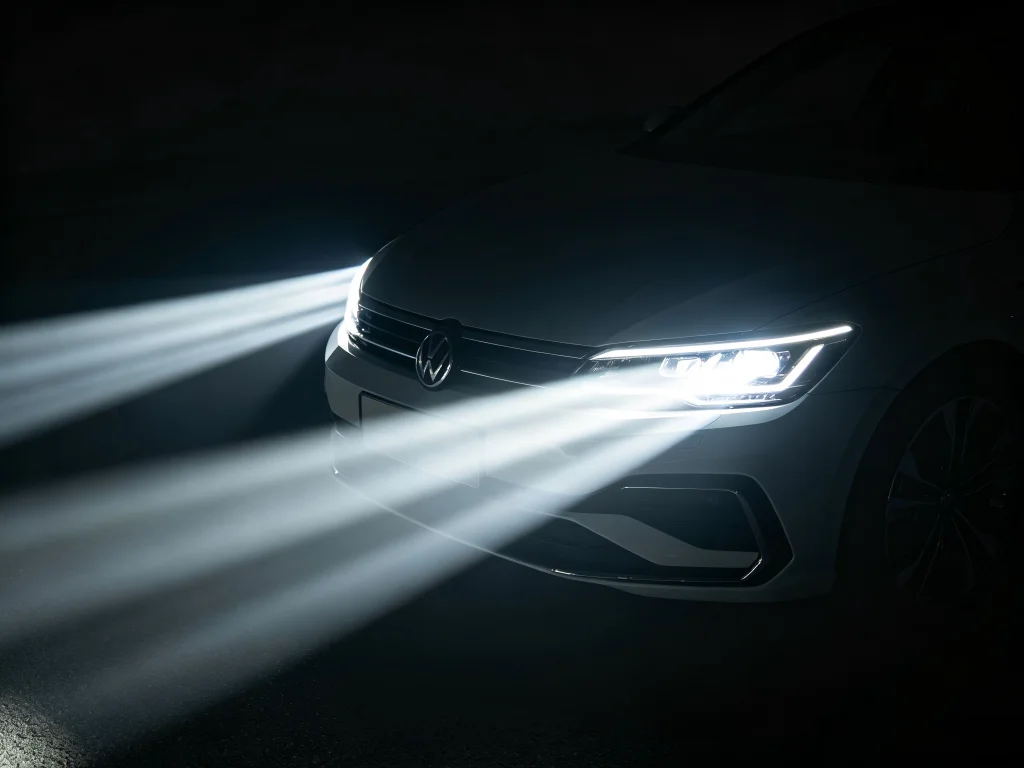
1. Реальная цена отказавшего дальнего света
Большинство водителей не осознают, насколько они полагаются на свой дальний свет пока он не пропадёт. Ближний свет освещает примерно 50–75 метров впереди. Дальний свет увеличивает это расстояние до 350–500 футов, а иногда и больше. Эта дополнительная дистанция — не роскошь. Это разница между своевременной остановкой и ударом в препятствие.
Подумайте, что вы теряете, когда ваш дальний свет отказывает:
- Время реакции: На скорости 60 миль в час вы проезжаете 88 футов в секунду. Ближний свет даёт вам примерно 2 секунды предупреждения. Дальний свет может дать почти 6 секунд.
- Обнаружение диких животных: Олени и лоси часто стоят неподвижно на обочине. Вам нужно максимальное освещение вперёд, чтобы заметить отблеск их глаз до того, как они бросятся.
- Дорожный мусор: Упавшая ветка, лопнувшая шина, потерянный глушитель — всё это становится невидимым в зоне ближнего света, но появляется заранее под дальний свет.
Один пользователь форума точно описал эту проблему: “Когда я щёлкаю переключателем, чтобы включить дальний свет, водительская сторона работает нормально, и дальний, и ближний, но пассажирский ближний становится очень тусклым, а дальнего света вообще нет”. Другой сообщил: “Основной дальний свет работают всегда, но ближний свет барахлит. Иногда работают оба, иногда ни один не включается”.
Это не просто раздражает. Это угроза безопасности, которая усугубляется каждый раз, когда вы едете в темное время суток.
2. Почему дальний свет выходит из строя: технический разбор
Понимание того, почему дальний свет выходит из строя, начинается с понимания того, как устроены системы головного света. Большинство современных автомобилей используют одну из двух конфигураций:
| Конфигурация | Как это работает | Типичная точка отказа |
|---|---|---|
| Одна лампа, две нити накала | Одна лампа содержит две отдельные нити накала — одну для ближнего света, одну для дальнего | Нить дальнего света перегорает, а нить ближнего света остается целой |
| Отдельные лампы | Ближний и дальний свет используют отдельные лампы в одном корпусе | Лампа дальнего света выходит из строя независимо |
Вот что на самом деле происходит, когда ваш дальний свет перестает работать:
- Отказ лампы: Нить дальнего света разрушается от вибрации, тепловых циклов или старения. Ближний свет используется чаще и статистически перегорает первым, но нити дальнего света тоже могут выходить из строя — особенно в двухнитевых лампах, где элемент дальнего света долго простаивает, а затем внезапно подвергается нагрузке.
- Перегоревший предохранитель: У цепи дальнего света есть собственный предохранитель. Скачок напряжения или короткое замыкание пережигает его, отключая питание исключительно от дальний свет оставляя ближний свет незатронутым.
- Неисправное реле: Реле фар направляет питание между ближним и дальним светом. При его отказе оно может по-прежнему подавать питание на ближний свет, но не на дальний. Неисправное реле — одна из самых распространённых причин, по которым ближний свет работает, а дальний нет.
- Коррозия проводки или патрона: Влага, соль и вибрация ухудшают соединения. Если проводка цепи дальнего света повреждена, а цепи ближнего света — нет, вы теряете только свой дальний свет.
- Отказ переключателя или модуля: Многофункциональный переключатель на рулевой колонке или модуль управления кузовом может иметь внутренние неисправности, влияющие только на функцию дальнего света.
Один механик отметил: “Теперь вы знаете, что когда ваш дальний свет работает, а ближний свет нет, проблема обычно заключается в простом отказе одного компонента. Это почти всегда перегоревший предохранитель, неисправное реле фар или проблемы с проводкой”.
3. Скрытая опасность: вождение с неисправным дальним светом
Некоторые водители справляются, просто снижая скорость или придерживаясь хорошо освещённых дорог. Но вот в чём проблема: вы не всегда можете выбрать маршрут. Объезд, чрезвычайная ситуация или просто плохо освещённый участок шоссе могут вынудить вас в темноту.
А ещё есть фактор тумана. Многие водители ошибочно полагают, что дальний свет помогает в тумане. Это не так. Дальний свет отражается от капель воды и создаёт эффект “белой стены”, который фактически снижает видимость. Общество светотехники (Illuminating Engineering Society) определяет дальний свет как фары “предназначенные для дальнего освещения и для использования на открытой трассе, когда не встречаются другие транспортные средства”. Это означает только ясные условия — никогда не туман, дождь или снег.
Так что если ваши дальний свет уже compromised, вы вдвойне уязвимы. Вы не можете использовать их в плохую погоду (вам не следует), и вы не можете использовать их в хорошую погоду (они не работают).
4. Почему качественные фары важнее, чем вы думаете
Когда ваши дальний свет выходят из строя, у вас есть два варианта: заменить вышедший из строя компонент на деталь, эквивалентную OEM, или перейти на что-то лучшее.
Вот что большинство водителей не осознают: не все фары созданы равными. Лампы, которые шли с вашим автомобилем, были выбраны по стоимости, а не по производительности. Галогенные лампы — всё ещё стандартные во многих автомобилях — дают тёплый, желтоватый свет, который менее эффективен и тусклее современных альтернатив.
Светодиодная технология, напротив, даёт более яркий, более белый свет, потребляя меньше энергии. Разница не тонкая. Это разница между видением форм и видением деталей. Между догадками и знанием.
В наших инженерных испытаниях в GTR мы измерили светодиодные дальний свет обеспечивающие до 300% больше полезного света на дороге по сравнению со стандартными галогенными блоками. Это не маркетинг. Это измеримая освещённость в люксах на 100 метрах.
5. Ваше решение: высокопроизводительные светодиодные фары GTR
Когда ваши дальний свет выходят из строя, у вас есть выбор. Вы можете заменить сломанную деталь на другой посредственный компонент, который снова выйдет из строя через несколько лет. Или вы можете перейти на что-то, что навсегда преобразит ваш опыт ночного вождения.
Светодиодные фары GTR разработаны специально для водителей, которые отказываются идти на компромисс в вопросах видимости. Вот что отличает их:
- Превосходная форма светового пучка: Наша оптическая инженерия создаёт точный, сфокусированный дальний свет который направляет свет туда, где он вам нужен — далеко по дороге, с минимальным рассеиванием в глаза встречного транспорта.
- Мгновенное включение: Без времени прогрева. Светодиоды дальний свет достигают полной яркости в момент включения.
- Долговечность: Устойчивая к вибрациям конструкция означает, что ваши дальний свет дольше остаются работоспособными даже на неровных дорогах.
- Совместимость по принципу «подключи и работай»: Наши системы работают со штатной проводкой и органами управления вашего автомобиля. Без резки. Без сращивания.
Один из обозревателей рынка послепродажных товаров отметил: “Светодиодные фары GTR Lighting Carbide обеспечивают огромный прирост производительности благодаря полностью светодиодной технологии. Их встроенные светодиодные дневные ходовые огни чрезвычайно яркие, что делает их хорошо заметными в дневное время”.
В этом и заключается отличие GTR. Мы не просто заменяем то, что сломалось. Мы делаем то, что будет дальше, лучше.
6. Часто задаваемые вопросы о дальнем свете
6.1. Почему дальний свет работает, а ближний — нет?
Direct answer: Обычно это означает, что нить ближнего света перегорела в двухнитевой лампе или перегорел предохранитель ближнего света. Это также может указывать на неисправный переключатель или реле фар, которые подают питание на цепь дальнего света, но не на цепь ближнего света.
6.2. Можно ли ехать только с включённым дальним светом, если ближний сломан?
Технически да, но не следует этого делать. Использование дальний свет постоянно ослепляет встречных водителей и запрещено в большинстве юрисдикций. Устраните проблему должным образом.
6.3. Насколько дальше видят дальний свет по сравнению с ближним?
Ближний свет обычно достигает 200–300 футов. Дальний свет может достигать 350–500 футов — почти вдвое дальше.
6.4. Стоит ли использовать дальний свет в тумане?
Нет. Дальний свет отражается от капель тумана и создаёт ослепление, снижающее видимость. Вместо этого используйте ближний свет или противотуманные фары.
6.5. Как понять, что дальний свет включён?
Ищите синий символ фары на приборной панели. Этот индикатор загорается всякий раз, когда ваш дальний свет активирован.
6.6. В чём разница между дальним и ближним светом?
Дальний свет ярче, направлен выше и освещает дорогу гораздо дальше впереди. Ближний свет направлен вниз на дорогу и обеспечивает освещение на меньшее расстояние, не ослепляя других водителей.
6.7. Почему мой дальний свет выключается сам по себе?
Если ваш автомобиль оснащён автоматическим дальним светом, датчик обнаруживает фары или задние фонари встречных машин и автоматически переключается на ближний свет. Это функция безопасности, а не неисправность.
7. Не ждите, пока станет слишком поздно
Ваш дальний свет — одна из важнейших систем безопасности вашего автомобиля. Когда они отказывают, вы едете вслепую — буквально. Каждая ночная поездка становится игрой в рулетку. Каждая неосвещённая дорога становится опасностью.
Вы можете заменить перегоревшую лампу или сгоревший предохранитель. Это дешёвое решение. Но если вы уже столкнулись с вышедшими из строя дальний свет, почему бы не перейти на что-то, что прослужит дольше вашего автомобиля и превзойдёт всё, что вы испытывали раньше?
Светодиодные фары GTR созданы для водителей, которые серьёзно относятся к ночной видимости. Будь вы ежедневным пассажиром-водителем, путешественником выходного дня или тем, кто просто отказывается мириться с посредственным освещением, у нас есть подходящее решение.
Перестаньте ездить в темноте. Посетите www.rhgtr.com сегодня и убедитесь в преимуществе GTR сами.