
Quá trình chuyển đổi toàn cầu từ HID sang LED gần như đã hoàn tất, và đèn chiếu 3.0 inch đã nổi lên như tiêu chuẩn vàng. Tuy nhiên, đối với người mua B2B và nhà bán buôn, thách thức nằm ở việc phân biệt một nhà máy sản xuất thấu kính đèn pha Bi-LED 3.0 inch hiệu suất cao từ một xưởng lắp ráp chất lượng thấp. Lựa chọn sai có thể dẫn đến hàng nghìn đô la hàng tồn kho không bán được và làm hỏng mối quan hệ thương mại.
1. Các yếu tố quyết định quan trọng khi tìm nguồn cung Bi-LED
Khi lựa chọn một nhà máy sản xuất thấu kính đèn pha Bi-LED 3.0 inch, hãy ưu tiên các chỉ số độ dẫn nhiệt (W/m·K), công nghệ chip-on-board (COB) so với SMD, và khả năng R&D của nhà máy để cung cấp các chùm sáng tùy chỉnh cho thị trường LHD hoặc RHD. Những sắc thái kỹ thuật này quyết định tuổi thọ và tính hợp pháp của sản phẩm tại thị trường địa phương của bạn.
Theo kinh nghiệm của chúng tôi, sai lầm tốn kém nhất mà người mua mắc phải là chỉ tập trung vào “Lumens thô.” Nhiều nhà máy “ép” đèn LED của họ để tạo ra những con số ấn tượng trong 30 giây đầu tiên của buổi demo. Tuy nhiên, nếu không có bộ điều khiển và hệ thống làm mát mạnh mẽ, những lumens đó sẽ biến mất khi chip tự giới hạn để tránh quá nhiệt. Một nhà máy chuyên nghiệp sẽ cung cấp dữ liệu “Lumens hiệu dụng” – lượng ánh sáng đo được sau 30 phút sử dụng liên tục.
1.1. So sánh khu vực: Nhà máy Trung Quốc so với Ấn Độ
Khi thị trường mở rộng, người mua thường so sánh một nhà máy sản xuất thấu kính đèn pha Bi-LED 3.0 inch tại Trung Quốc với một nhà máy sản xuất thấu kính đèn pha Bi-LED 3.0 inch tại Ấn Độ. While India is developing in the automotive components sector, China is currently leading by 5-10 years in LED semiconductor integration and optical coating technology. The supply chain density in regions like Guangdong allows for faster prototyping and stricter quality control (QC) at the component level.
2. In-Depth Technical Understanding: What Makes Premium Lenses Different?
2.1. Bộ điều khiển: Bộ não của hệ thống
Cheap factories use generic drivers that are susceptible to voltage spikes. Our GTR drivers use high-frequency PWM (Pulse Width Modulation) to ensure flicker-free operation even on modern vehicles with complex CANBUS systems. We also integrate thermal foldback protection, which dims the light if the housing reaches extreme temperatures, instead of letting the chip fail completely.
2.2. Độ Chính Xác Chùm Tia
A 3.0-inch lens is useless if the light is scattered. We use computer-aided ray tracing simulation (TracePro) to ensure the LED's focal point is perfectly aligned with the lens curvature. This creates a “hotspot” positioned precisely where the driver needs it—at the horizon for maximum distance.
- Lắp Đặt Trực Tiếp: Thiết kế trục ren để dễ dàng lắp đặt trong vỏ đèn H4/H7.
- Đa Dạng Giá Đỡ: Tương thích với lỗ gá Hella 3R hoặc G5 để độ lại chuyên nghiệp.
- Consistent Color Temperature: Ensure each batch has a clear color of 5500K-6000K, avoiding cheap blue or sickly yellow tones.
3. Avoid These Common Factory Pitfalls"
Based on our years of manufacturing experience, watch for these warning signs during your factory audit:
- Lack of Aging Tests: If a factory cannot show you the room where lenses are run continuously for 48 hours at 60°C, they are not a professional manufacturer. high-performance 3.0-inch Bi-LED headlight lens factory.
- Generic Brand: Reputable manufacturers like GTR (rhgtr.com) invest in proprietary designs. Factories that only offer “open mold” designs are often just trading companies.
- No EMI Testing: Request EMC test reports. If the product is not shielded, it will interfere with vehicle sensors and radios.
4. Featured FAQ Snippet: Bi-LED Buying Secrets
4.1. How to know if the factory uses genuine LED chips?
A reputable factory will provide official purchase records or authorization letters from chip manufacturers such as Osram, Cree, or specialized automotive CSP suppliers. You can also inspect the chip's pad size and light-emitting surface (LES) under a microscope to compare with the manufacturer's datasheet.
4.2. What is the lifespan of a 3.0-inch Bi-LED projector lens?
A high-quality Bi-LED system can operate from 30,000 to 50,000 hours. In contrast, HID bulbs only last about 3,000 hours. If the factory cannot provide a 2-year or 3-year warranty, their thermal management capability may not be good enough in the long run.
4.3. Why is the 3.0-inch size more popular than 2.5 inches?
The 3.0-inch lens has a larger surface area, allowing for a wider beam and better light distribution. It also gives a more “powerful” and modern look, filling the headlight housing better than smaller options.
5. GTR Advantage: Professional Car Modification Partner
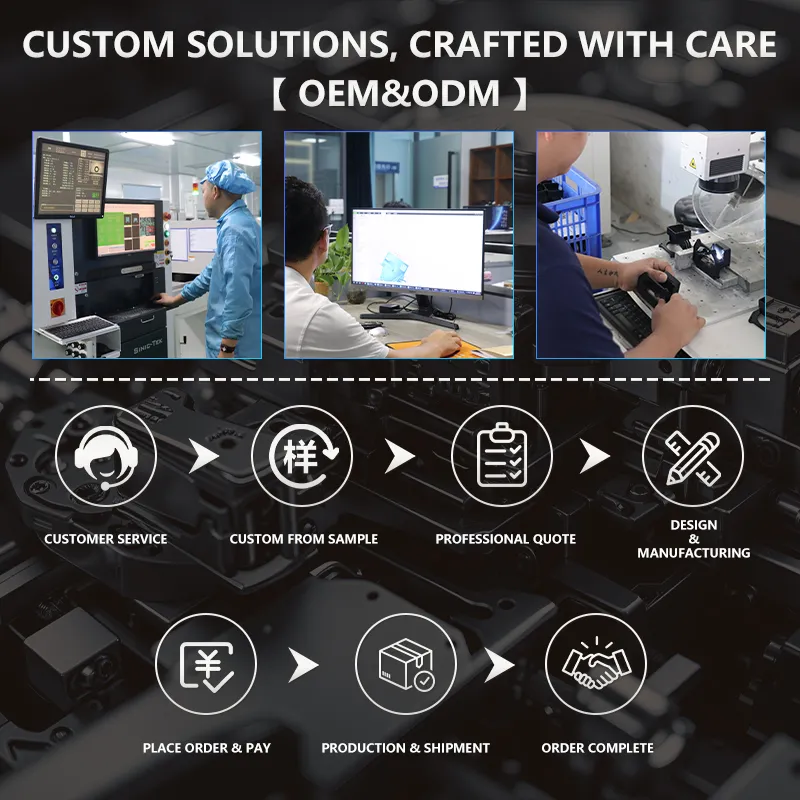
Choosing a partner like GTR means you get more than a product; you have a dedicated R&D team. We specialize in B2B partnerships, providing OEM/ODM services that allow you to brand our world-class 3.0-inch Bi-LED lenses. Our facility is optimized for output and precision, ensuring that the first lens in your order is as perfect as the ten-thousandth. Upgrade your inventory and dominate the local market by visiting ledcxr.com hoặc rhgtr.com today.