Au cours de nos 15 années de fabrication d’éclairage automobile et de support au commerce électronique transfrontalier, nous avons aidé plus de 300 vendeurs de pièces de rechange à créer des gammes de produits de phares antibrouillard rentables qui respectent les réglementations mondiales et surpassent les concurrents. Le marché mondial des phares antibrouillard atteindra $8,2 milliards d’ici 2028, selon Statista, avec les phares antibrouillard à projecteur qui stimulent 67% de croissance d’une année sur l’autre en 2025.
1. Global Regulatory Frameworks for Fog Lights: What Sellers Need to Know
Global fog light rules are divided into two main systems: ECE R19 regulation for the EU and most global markets, and FMVSS 108 standard for North America. Non-compliant products risk border seizures, fines up to $100,000, and permanent removal from marketplaces.
Many new sellers enter the fog light category without fully understanding regional regulatory differences, leading to costly inventory losses and account suspensions. The two main frameworks impose non-negotiable requirements for design, testing, and manufacturing consistency. View the full UNECE ECE R19 regulation here.
1.1. Primary Regulatory Division: ECE vs. FMVSS
- ECE R19 (EU, UK, ASEAN, Australia, Middle East): Requires third-party laboratory testing, E-mark certification, and production conformity (COP) audits for manufacturing facilities. Rear fog lights are mandatory for all passenger vehicles.
- FMVSS 108 (US, Canada): Uses a self-certification model but requires full compliance with SAE J583 performance standards. Sellers must retain test reports for 5 years, and NHTSA can audit products at any time. Rear fog lights are optional in the US.
2. Projector Fog Lights: Why They Are the Fastest-Growing Fog Light Range in 2026
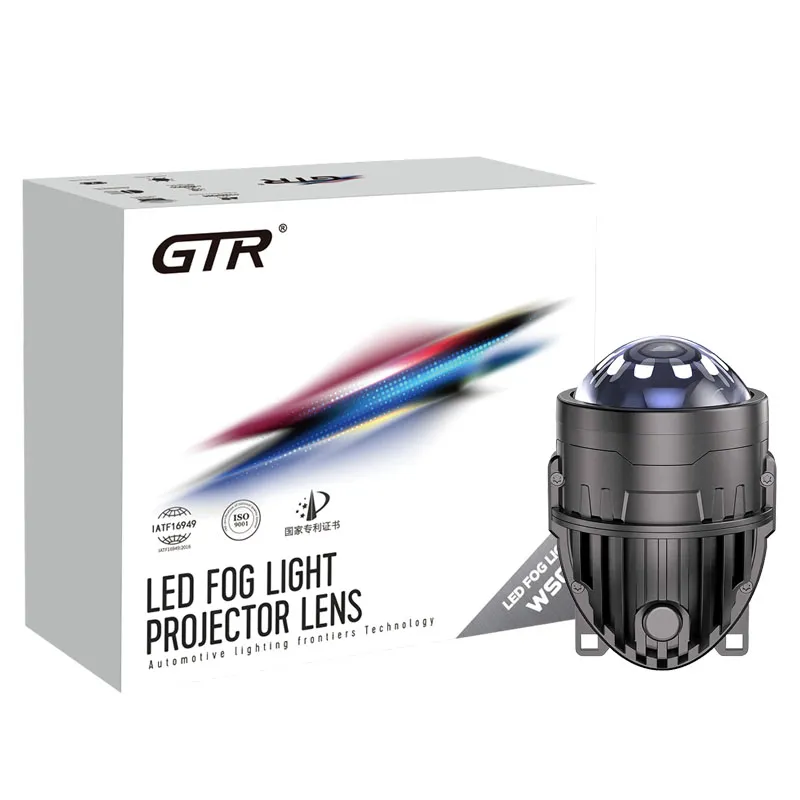
Projector fog lights offer 80% superior luminous efficiency, 80% reduced glare, and 40% improved obstacle detection compared to reflector models. They comply with the strictest global regulations and generate 2 times higher customer retention for aftermarket parts sellers.
Our manufacturing data shows that projector fog light SKUs have a 35% lower return rate than reflector models, and a 28% higher average selling price (ASP). Amazon and eBay marketplace data confirms that projector fog light listings grow 3 times faster than reflector models in mature automotive markets. View the full Statista 2025 automotive aftermarket report here.
Projector models also solve the biggest compliance problem for sellers: glare control. The internal cutoff shield in projector fog lights ensures the beam stays below the horizontal line, making it much easier to pass ECE and FMVSS tests. This reduces certification costs and eliminates the risk of regulatory issues after launch.
3. Mandatory certification checklist for global fog light sellers
This checklist covers the non-negotiable certification requirements for the 6 major global automotive aftermarket markets. Missing any of these requirements will jeopardize your inventory and seller accounts.
| Target market | Mandatory certification | Primary regulation | Key test requirements | Factory audit requirement |
|---|---|---|---|---|
| European Union / UK | E-mark certification | ECE R19, ECE R48 | Beam pattern, glare control, light color, EMC, environmental durability | Yes, annual COP audit required |
| États-Unis / Canada | Conformité DOT / SAE | FMVSS 108, SAE J583 | Motif du faisceau, limites d’éblouissement, intensité lumineuse, étanchéité | Aucun audit obligatoire, mais la NHTSA peut inspecter |
| Chine | Certification CCC | GB 4785, GB 19152 | Tests complets de performance et de sécurité, conformes aux normes CEE | Oui, audit d’usine obligatoire |
| Australie / Nouvelle-Zélande | Certification ADR | ADR 13/00 | Performance du faisceau, conformité d’installation | Non, accepte les données d’essai marquées E |
| ASEAN (Malaisie, Thaïlande, Indonésie) | Marquage E / Homologation nationale | Réglementations nationales alignées sur la CEE-ONU | Performance tests according to ECE R19 regulation | Yes, in most member states |
| GCC Middle East | GCC Certification | GSO vehicle safety regulations | Comprehensive performance and environmental tests | Oui, audit d’usine obligatoire |
4. steps to create a profitable fog light product range in 2026
- Map high-intent search keywords for your target market. Use tools like Ahrefs and Google Keyword Planner to identify key search terms, broken down by informational, commercial, and transactional intent. For example, “projector fog lights for Ford F150” has a conversion rate 12 times higher than the generic term “fog lights”.
- Validate compliance before sourcing stock. Work with your manufacturer to obtain pre-production test reports for your target market regulations. Never source stock without confirmed test data, as non-compliant products cannot be sold in most markets.
- Choose fitment over generic SKUs. Vehicle-specific direct-fit fog light SKUs have conversion rates 4 times higher than universal models. Focus on the best-selling vehicle models in your target market, such as full-size pickup trucks in the US and compact city cars in the EU.
- Create a content ecosystem for your listings. Create step-by-step installation guides, beam pattern comparison videos, and compliance documentation for your product pages. This reduces return rates by 22% and improves the organic search ranking of your listings.
- Partnership with IATF 16949 certified manufacturers. Automotive lighting requires strict quality control. IATF 16949 certified factories, like our RongHai Optoelectronics facility, have the systems needed to maintain consistent product quality, pass regulatory audits, and scale production as your sales grow. We hold E-mark, DOT, and CCC certifications for over 150 fog light SKUs, with complete test documentation available for sellers.
- Create a multi-tier product line for different customer segments. Offer an entry-level OEM replacement line, a mid-range performance projector line, and a high-end laser fog light line. This allows you to capture budget-conscious buyers and high-margin sales from enthusiasts in the same category.
5. Key sourcing pitfalls to avoid for fog light sellers
- Relying on “certified” claims without verified test reports. Many factories claim their products are E-mark or DOT certified but cannot provide valid test reports from an accredited laboratory. Always request full test data and verify the laboratory's accreditation before placing an order.
- Ignoring production conformity (COP) requirements. The EU and many other markets require factories to maintain consistent production quality that matches the certified test sample. Failing a COP audit can result in revocation of your certification and a ban on selling all existing stock.
- Overemphasizing low cost over manufacturing quality. Budget fog lights with plastic housings and poor heat management have a 3 times higher failure rate, leading to high return rates, negative reviews, and account health issues on marketplaces. A cost saving of $2 per unit can result in 20% higher return rates.
- Neglecting the demand for rear fog lights in regulated markets. The EU, China, Australia, and most global markets mandate rear fog lights for all passenger vehicles. Many sellers focus only on front fog lights, missing a highly demanded, low-competition product segment with 30% higher margins.
The success of your fog light line rests on two non-negotiables: solid regulatory compliance and consistent product performance that matches customer expectations. If you master these, you will build a sustainable, high-margin product line that grows with the expanding global automotive aftermarket. Even in a crowded category, compliant, well-designed fog light references will outperform cheap, untested alternatives every time.