
खरीद प्रबंधकों के सामने एक भ्रामक रूप से सरल प्रश्न है: हैलोजन बल्बों के साथ बने रहें या एलईडी पर स्विच करें? उत्तर शायद ही कभी सीधा होता है।.
हैलोजन तकनीक ऑटोमोटिव, औद्योगिक और वाणिज्यिक अनुप्रयोगों में प्रमुख प्रकाश समाधान बनी हुई है — लेकिन एलईडी विकल्प प्रदर्शन, दीर्घायु और स्वामित्व की कुल लागत में अंतर को कम कर रहे हैं।.
यह गाइड मार्केटिंग के शोर को काटता है। हम हैलोजन और एलईडी बल्बों की तुलना उन मैट्रिक्स पर करेंगे जो B2B खरीदारों के लिए वास्तव में मायने रखते हैं: जीवनकाल, लुमेन प्रति वाट, रंग प्रतिपादन, थर्मल प्रदर्शन, डिमिंग संगतता, नियामक अनुपालन और स्वामित्व की कुल लागत। आप एक निर्णय ढांचे के साथ जाएंगे जो आपके विशिष्ट अनुप्रयोग से मेल खाता है — न कि किसी खुदरा विक्रेता के ब्लॉग से सामान्य सलाह।.
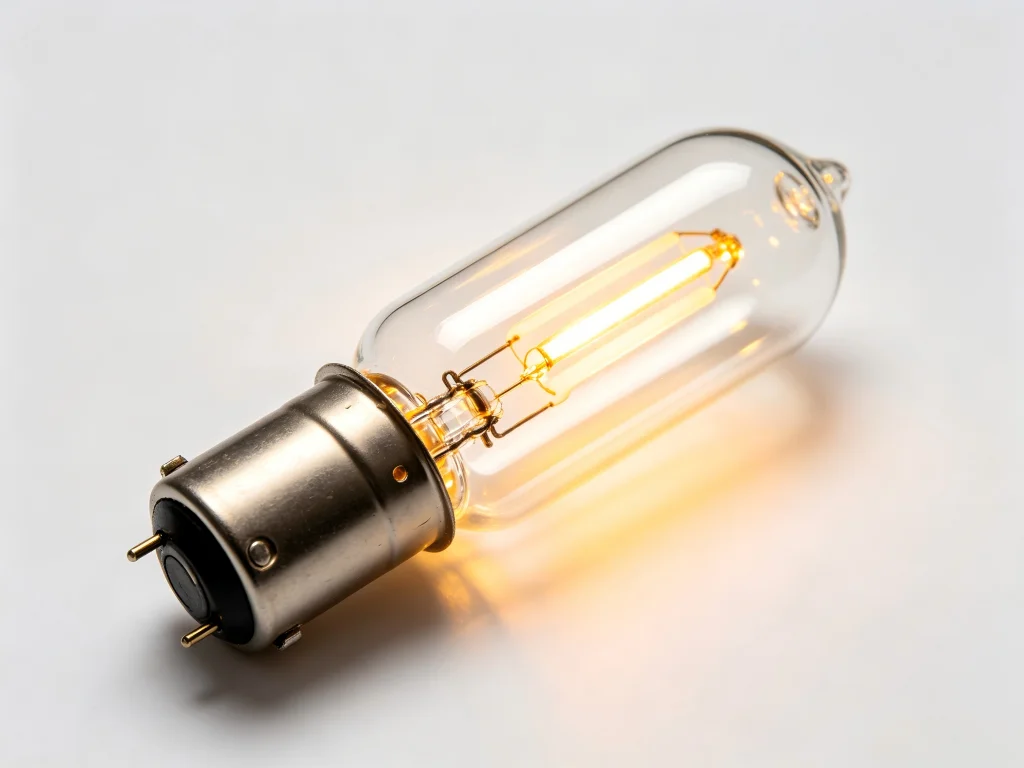
1. हैलोजन बल्ब प्रकार: खरीदने से पहले आपको क्या जानना चाहिए
हैलोजन बल्ब विभिन्न अनुप्रयोगों के अनुरूप कई प्रकार के प्रारूपों, वाट क्षमता और वोल्टेज में निर्मित होते हैं। आपको जिस प्रकार की आवश्यकता है उसे समझना किसी भी खरीद निर्णय में पहला कदम है।.
सामान्य हैलोजन बल्ब प्रकारों में शामिल हैं:
- कैप्सूल हैलोजन बल्ब: Compact bi-pin design for tools, indicators, and under-cabinet lighting where space is limited.
- Linear R7 halogen bulbs: Long tubular bulbs for floodlights, work lights, and high-intensity cabinet lighting.
- Automotive halogen bulbs (H4, H7, 9003, etc.): Engineered with specific socket types like P43t for headlights, fog lights, and signal lights.
- PAR halogen bulbs: Parabolic aluminized reflector design for focused, precise lighting in floodlights and accent lighting.
- MR16 halogen bulbs: Multifaceted reflector bulbs popular in track lighting and recessed fixtures.
- G series (GU4, GU5.3, GU10, GZ10): Twist-and-lock holders for low-voltage focused lighting applications.
Each type has specific holder requirements, wattage limits, and voltage specifications. Using the wrong holder type — for example, installing a GU10 bulb in a GU5.3 socket — is not just ineffective; it's a fire hazard.
2. Halogen vs. LED: Head-to-head comparison
Here is the data that matters for purchasing decisions, drawn from industry testing and manufacturer specifications:
| Metric | हैलाोजन | एलईडी |
|---|---|---|
| Lifespan (hours) | 500 – 4,000 | 5,000 – 50,000 |
| Lumens per watt (efficacy) | 12 – 22 lm/W | 80 – 150+ lm/W |
| Color temperature range | 2,700K – 3,200K | 2,700K – 6,500K |
| Color rendering index (CRI) | 98 – 100 (excellent) | 70 – 95+ (varies by quality) |
| Instant start | Yes (full intensity immediately) | Yes (instant, no warm-up) |
| Dimming compatibility | Universal (works with standard dimmers) | Varies (requires compatible dimmer) |
| Heat output | High (250°C+ on glass surface) | Low (heat sinks dissipate minimal heat) |
| कंपन प्रतिरोध | Medium (filament is fragile) | उच्च (टूटने के लिए कोई फिलामेंट नहीं) |
| विनियामक अनुपालन | ECE R37, DOT, आदि।. | भिन्न होता है (हाउसिंग ऑप्टिक्स से मेल खाना चाहिए) |
डेटा एक स्पष्ट कहानी बताता है: एलईडी जीवनकाल, ऊर्जा दक्षता और कंपन प्रतिरोध में हैलोजन से बेहतर प्रदर्शन करते हैं। लेकिन हैलोजन रंग प्रतिपादन (रंग-महत्वपूर्ण अनुप्रयोगों के लिए CRI 100 बेजोड़ है) और सार्वभौमिक डिमिंग संगतता में लाभ बनाए रखते हैं।.
3. छिपी हुई लागतें जिन्हें प्रोक्योरमेंट गाइड अनदेखा करते हैं
अधिकांश तुलना लेख विनिर्देश तालिका पर रुक जाते हैं। यहीं से वास्तविक विश्लेषण शुरू होता है।.
10,000 घंटे के संचालन पर स्वामित्व की कुल लागत (TCO):
- हैलोजन: 5 से 20 बल्ब प्रतिस्थापन की आवश्यकता होती है (बल्ब की गुणवत्ता और अनुप्रयोग के आधार पर)। प्रत्येक प्रतिस्थापन में श्रम, डाउनटाइम और निपटान लागत शामिल होती है। समान प्रकाश उत्पादन के लिए ऊर्जा खपत एलईडी से 5 से 8 गुना अधिक होती है।.
- एलईडी: अधिकतम 1 बल्ब प्रतिस्थापन की आवश्यकता होती है। 75-85% की ऊर्जा बचत सीधे परिचालन लागत में कमी में तब्दील होती है। बार-बार रखरखाव श्रम की आवश्यकता नहीं होती। लेकिन अग्रिम लागत अधिक होती है — आमतौर पर हैलोजन बल्ब की कीमत से 3 से 10 गुना।.
ब्रेक-ईवन बिंदु एलईडी बनाम हैलोजन के लिए अनुप्रयोग के अनुसार भिन्न होता है। 100 वाहनों के बेड़े के लिए जिनमें से प्रत्येक रात में 2 घंटे चलता है (लगभग 730 घंटे वार्षिक), हैलोजन बल्बों को हर 1-3 वर्षों में प्रतिस्थापन की आवश्यकता होती है। एलईडी 7-15 वर्षों तक चलते हैं। अकेले श्रम बचत अक्सर 18-24 महीनों के भीतर उन्नयन को उचित ठहराती है।
लेकिन एक पहलू है जिसका प्रोक्योरमेंट गाइड शायद ही उल्लेख करते हैं: एलईडी प्रतिस्थापन ऑप्टिकली हाउसिंग से मेल खाने चाहिए. उचित एमिटर प्लेसमेंट के बिना हैलोजन रिफ्लेक्टर में सामान्य एलईडी बल्ब स्थापित करने से चकाचौंध पैदा होती है, उपयोगी प्रकाश कम होता है, और विनियामक मानकों का उल्लंघन हो सकता है। यदि बीम पैटर्न अनुपालन परीक्षण में विफल रहता है तो लागत बचत गायब हो जाती है।.
4. हलोजन बल्ब खरीद के लिए पांच महत्वपूर्ण कारक
यदि आप हलोजन बल्ब खरीद रहे हैं (चाहे मूल उपकरण के रूप में या प्रतिस्थापन स्टॉक के रूप में), ये कारक उत्पाद की गुणवत्ता और अनुप्रयोग फिट निर्धारित करते हैं:
- वाट क्षमता और वोल्टेज: बल्ब की रेटेड वाट क्षमता और वोल्टेज को अपने फिक्स्चर विनिर्देशों से मिलाएं। फिक्स्चर की रेटिंग से अधिक वाट क्षमता वाले बल्ब का उपयोग करने से ओवरहीटिंग का खतरा और संभावित आग का खतरा पैदा होता है।.
- बेस/होल्डर प्रकार: सॉकेट पदनाम सत्यापित करें — H4 ऑटोमोटिव बल्ब के लिए P43t, कुछ रिसेस्ड फिक्स्चर के लिए GU10, कैप्सूल बल्ब के लिए बाई-पिन। गलत बेस प्रकार का मतलब है कि बल्ब फिट नहीं होगा या खराब विद्युत संपर्क बनाएगा।.
- लुमेन आउटपुट: लुमेन चमक मापते हैं। एक 55W हलोजन आमतौर पर 1,000-1,500 लुमेन उत्पन्न करता है। उच्च लुमेन वाले बल्ब मौजूद हैं लेकिन अक्सर उनका जीवनकाल कम होता है। चमक की आवश्यकताओं को प्रतिस्थापन आवृत्ति के साथ संतुलित करें।.
- Color Temperature: मानक हलोजन 2,700K-3,200K (गर्म पीली रोशनी) है। “सफेद रोशनी” अपग्रेड 4,200K तक पहुंच सकते हैं लेकिन आमतौर पर कुछ जीवनकाल का त्याग करते हैं।.
- नियामक अनुपालन: सत्यापित करें कि बल्ब ECE विनियमन 37, DOT, या लागू स्थानीय मानकों को पूरा करते हैं। गैर-अनुपालक बल्ब निरीक्षण में विफलता, जुर्माना, और दुर्घटना की स्थिति में देयता का जोखिम पैदा करते हैं।.
5. चमक समस्या: उद्योग आपको क्या नहीं बता रहा है
हेडलाइट चमक एक प्रमुख सार्वजनिक चिंता बन गई है। कई ड्राइवर इस समस्या के लिए LED हेडलाइट्स को दोषी मानते हैं। लेकिन Osram का नवीनतम परीक्षण एक अलग तस्वीर प्रकट करता है: घटिया हलोजन बल्ब एक प्रमुख, अनदेखा कारण हो सकते हैं।
Their UK testing laboratory found bulbs that exceeded the maximum allowable wattage and lumens by up to 49%, creating a glare risk and potential wiring overheating. Other colors and beam patterns failed tests, further increasing glare. Some bulbs showed chrome end cap degradation after just a few minutes of use.
Conclusion: Quality matters more than technology. A compliant halogen bulb from a reputable manufacturer outperforms non-compliant LED or halogen alternatives in safety and beam pattern consistency.
For B2B buyers, this means rigorous supplier qualification is non-negotiable. Request test reports. Verify certificates. And test samples before placing bulk orders.
6. When to choose halogen — and when to choose LED
Based on our engineering tests and years of manufacturing expertise, here is our decision framework:
Choose halogen when:
- Color rendering accuracy is critical (CRI 100 is essential for some retail, museum, and studio applications).
- Universal dimming compatibility is required (halogen works with almost all dimmer switches).
- Upfront budget is extremely limited and usage hours are low (e.g., fixtures used occasionally).
- The fixture is not designed for LED retrofit and optical matching is impractical.
Choose LED when:
- High usage hours make energy savings and low maintenance a priority.
- Vibration resistance is important (automotive, industrial, and mobile applications).
- Long lifespan reduces labor costs for hard-to-reach fixtures.
- Regulatory pressure or sustainability goals favor lower energy consumption.
7. Frequently Asked Questions About Buying Halogen Bulbs
What is the difference between halogen and incandescent bulbs?
Halogen bulbs use halogen gas to redeposit evaporated tungsten back onto the filament, extending lifespan and improving efficiency compared to standard incandescent bulbs. Halogen bulbs also operate at higher temperatures and produce whiter, brighter light.
How do I identify the correct halogen bulb holder type?
Check the base of the existing bulb — the holder type is often printed on the bulb or visible in the socket. Common holder types include GU4, GU5.3, GU10, GZ10 for low-voltage applications, and various screw or bayonet bases for mains-voltage fixtures. When in doubt, consult the fixture manufacturer's specifications.
Are halogen bulbs being phased out?
Regulations vary by region. The EU has phased out some general-purpose halogen bulbs, but automotive and specialty halogen bulbs remain widely available and legally compliant when meeting applicable standards. Always verify current regulations in your operating jurisdiction.
Can I use LED bulbs in halogen fixtures?
Yes, but with important caveats. LED bulbs must be designed for your specific fixture type and housing geometry. Using mismatched LEDs produces poor beam patterns and glare. Some fixtures require driver replacement or CANbus adapters for proper LED operation.
What is the typical lifespan of a halogen bulb?
Standard halogen bulbs last 500 to 4,000 hours depending on quality and application. Automotive bulbs tend toward the lower end due to vibration and thermal cycling. Linear and capsule bulbs for stationary fixtures can reach the higher end.
How do lumens compare between halogen and LED?
A 55W halogen produces about 1,000-1,500 lumens. An equivalent LED produces 2,000-3,000 lumens at 15-25W — more light with significantly less energy. Always compare lumens, not watts, when evaluating brightness.
What certifications should I look for in halogen bulbs?
For automotive applications, ECE Regulation 37 compliance is required. For general lighting, look for UL, CE, or equivalent safety certifications. Reputable manufacturers also provide photometric test reports verifying lumen output, beam pattern, and color temperature.
How should I dispose of halogen bulbs?
Halogen bulbs do not contain mercury, but they may be classified as hazardous waste due to their quartz glass and metal content. Check local regulations for proper disposal or recycling procedures. Many municipalities accept bulbs at designated recycling centers.
8. Making the Right Purchasing Decision
The decision between halogen and LED is not about choosing the “better” technology. It's about matching the technology to the application — and verifying that whatever you choose meets quality and compliance standards.
At GTR, we manufacture both high-quality halogen replacement bulbs and precision-engineered LED upgrades. We don't prefer one technology over the other; we prefer the right solution for your specific application.
What we emphasize: Every bulb we ship meets or exceeds regulatory standards. Every LED replacement optically matches the original halogen filament position. And every B2B order comes with technical documentation, test reports, and application support.
To explore our product range https://www.rhgtr.com Visit. Contact our B2B team for wholesale pricing, custom specifications, and technical guidance tailored to your fleet, facility, or distribution needs.
Your application deserves more than a generic bulb. It deserves engineering that understands the difference.