
Hai deciso di aggiornare l’illuminazione del tuo camion. Bene. Ma ora ti trovi di fronte a una serie sconcertante di opzioni: spot o flood, 5.000K o 6.500K, alloggiamenti in alluminio o plastica, economici o premium. Ogni marca afferma di essere la migliore. Ogni pagina di prodotto dice “alta luminosità” e “lunga durata”.
Questa guida taglia il rumore. Confrontiamo le differenze critiche – non da una scheda tecnica, ma dall'ingegneria reale e da anni di esperienza nella produzione. Alla fine, saprai esattamente quale barra led per camion configurazione si adatta alle tue esigenze e quali evitare del tutto.
I fattori chiave di decisione per l'illuminazione LED per camion sono il pattern del fascio, la temperatura di colore, il materiale dell'alloggiamento, il design termico e la compatibilità elettronica – in quest'ordine. Se li imposti correttamente, le tue luci supereranno qualsiasi cosa nella stessa fascia di prezzo.
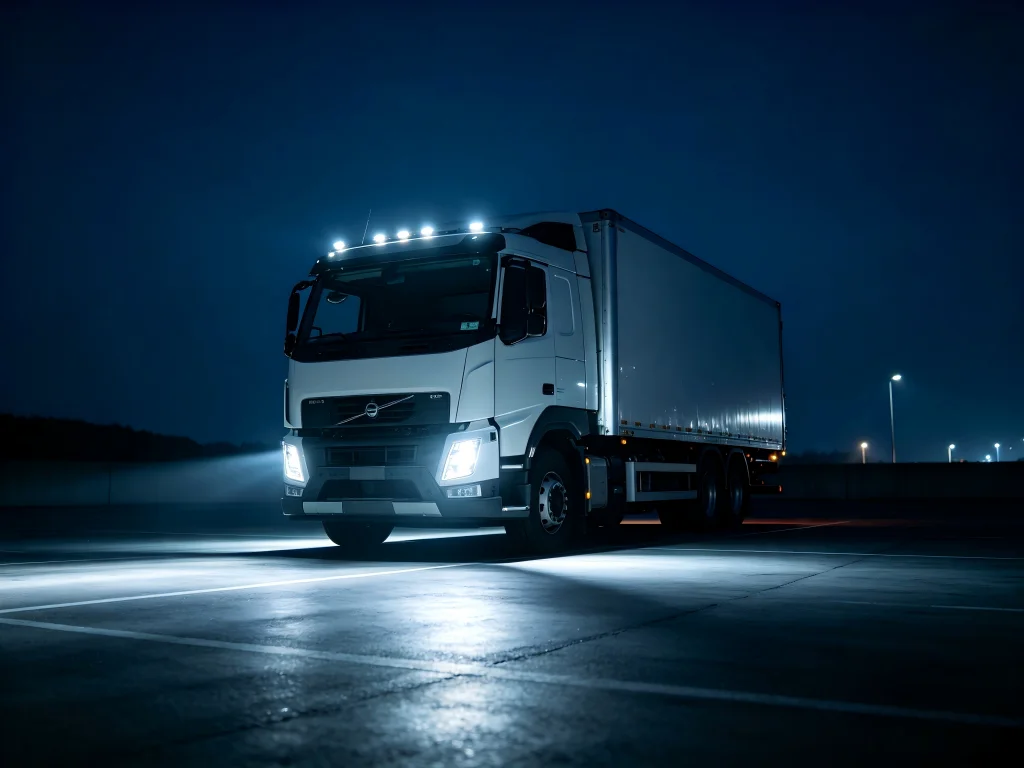
1. Beam Pattern: Spot, Flood or Combo – What Really Works?
Most barra led per camion the offers include spot, flood or combo. But marketing rarely explains the real trade-offs.
| Beam Type | Degrees | Effective Range | Better Application | Disadvantage |
|---|---|---|---|---|
| Spot | 8°–15° | 200–500+ meters | Highway, desert racing, rural roads | Narrow tunnel vision, poor side illumination |
| Wide beam | 40°–60° | 50–120 meters | Construction sites, slow trails, load lighting | Short range, glare for oncoming traffic |
| Combo | Mixed (central spot + side floods) | 150–300 meters | Most truck owners – balanced distance and spread | Compromises both extremes |
Our tests show that combo patterns are the right choice for 80% of truck buyers. You get enough distance to see hazards at highway speed and enough spread to spot deer or obstacles on the sides. Pure spot bars are only for high-speed desert racing or open plains. Pure flood bars belong on work trucks that never exceed 30 mph.
Quando valuti una barra led per camion, Ask for the beam distance at which lux drops to 0.25 (the minimum for obstacle detection). Many brands list lumens but never mention lux at 50 m. This is a red flag.
2. Color temperature: 5,000K vs. 6,500K – does it really matter?
La temperatura del colore influisce su visibilità, affaticamento degli occhi e penetrazione nella nebbia. Ecco la ripartizione tecnica:
- 5.000K (Bianco puro): Il più vicino alla luce naturale del giorno. Riduce l’affaticamento degli occhi nei lunghi viaggi. Fornisce un’ottima resa cromatica – importante per identificare detriti, perdite di liquidi o danni al carico. La nostra scelta preferita per i camionisti su strada.
- 6.000K–6.500K (Bianco freddo/Bluastro): Appare “più luminoso” all'occhio umano ma ha un contenuto di blu più elevato. Questo può causare abbagliamento in caso di pioggia e nebbia. Tende a sbiadire rossi e marroni, rendendo più difficile individuare ostacoli fangosi. Spesso scelto per l'estetica piuttosto che per le prestazioni.
- 3.000K (Ambra/Giallo): Riduce la retrodiffusione in polvere e nebbia. Eccellente per applicazioni fuoristrada e minerarie. Non adatto per l’illuminazione primaria anteriore ma ottimo come fendinebbia ausiliari.
Per i tuoi principali accessori per camion con luci LED (barre luminose e luci di guida), consigliamo 5.000K–5.700K. Offre il miglior equilibrio tra visibilità e comfort per gli occhi. Se guidi spesso nella nebbia o nella neve, aggiungi luci ausiliarie ambra – ma mantieni i fari principali bianchi.
3. Alloggiamento e dissipatore di calore: alluminio vs. plastica – il killer silenzioso
Molti prodotti economici barra led per camion utilizzano alloggiamenti in plastica o gusci sottili in alluminio. Sembrano belli nelle foto. Ma la plastica non conduce il calore. L'alluminio sottile non ha massa termica. Il risultato: i LED si surriscaldano, perdono luminosità e muoiono presto.
Le barre premium utilizzano alluminio 6061 o 6063 lavorato a CNC con dissipatori di calore integrati. L’alloggiamento stesso funge da radiatore termico. Le alette di raffreddamento aumentano la superficie per la convezione passiva. Alcuni design incorporano anche nuclei in rame o camere di vapore.
Come riconoscere la qualità senza smontare la luce: Guarda il peso. Una barra di qualità da 40 pollici pesa 5-7 libbre. Un equivalente economico in plastica pesa 2-3 libbre. Il peso è un indicatore del contenuto di alluminio e della capacità termica.
Controlla anche il materiale della lente. Il policarbonato (PC) è resistente agli urti e stabile ai raggi UV. L'acrilico (PMMA) è più economico ma ingiallisce e si crepa sotto i raggi UV. I buoni produttori specificano “PC” o “policarbonato di grado ottico”. Quelli economici dicono solo “lente in vetro” – che in realtà è peggiore per applicazioni su camion perché si frantuma con le schegge di pietra.
4. Impermeabilità: oltre l'etichetta di marketing IP67
Quasi ogni luci a led per camion fuoristrada prodotto dichiara IP67 o IP68. Ma la vera prova non è il test di immersione statica in laboratorio – è come la luce resiste ai cicli termici, alle vibrazioni e al lavaggio a pressione.
Ecco cosa distingue la qualità dalla spazzatura:
- Vent valves: These allow pressure equalization. Without them, internal temperature variation (e.g., from night to day) creates a vacuum that draws humid air through the seals over time. Quality bars have Gore-Tex or similar vents.
- Double gaskets: Two sealing layers – typically a silicone O-ring and a secondary gasket on the lens edge. Budget units use a single rubber gasket that hardens and cracks in cold weather.
- Desiccant bags: Some premium bars include desiccant inside the housing to absorb residual moisture. This is a sign of obsessive engineering.
If a product page only mentions “IP67” and doesn’t show photos of the sealing design, consider it a warning. We test our housings up to IP69K (high-pressure, high-temperature jets) – because we know many truck owners use pressure washers.
5. CAN-Bus and Compatibility: Why Your Truck Rejects Cheap LEDs
This is the #1 frustration we hear from buyers. They install a set of truck interior LED lights or auxiliary lights, and the dashboard lights up with errors. The turn signals flash rapidly. The DRLs flicker.
The root cause: modern trucks use pulse-width modulation (PWM) to control lighting. They also measure current draw. LEDs draw 10-13% of the current of halogen bulbs. The CAN-bus interprets this as a “bulb out” condition and either cuts power or generates errors.
Solutions:
- Built-in CAN-bus decoders: These electronics simulate the current draw of a halogen bulb while still powering the LED efficiently. They are invisible to the truck’s computer.
- External load resistors: They are cheap but generate heat and waste energy. They also require wiring and mounting. Avoid them unless absolutely necessary.
- Anti-flicker modules: Some lights come with separate modules that connect between the factory wiring and the light. These work but add complexity.
For a hassle-free experience, choose lights with built-in CAN-bus compatibility. We incorporate decoders into all our GTR auxiliary and interior lights. Install them like a factory component – no extra box, no resistor, no error.
6. Housing finish and corrosion resistance
Trucks operate in the presence of salt, mud, and industrial chemicals. The housing finish is important. Anodized aluminum offers good corrosion resistance. Powder coating is thicker and more durable. Cheap painted finishes chip and rust within months.
Look for black anodized or textured powder-coated housings . They resist UV rays, salt spray, and stone impacts. Also check the stainless steel content of the mounting brackets – cheap steel rusts and seizes. 304 stainless steel is the minimum acceptable grade.
7. Brand and warranty: what you are really paying for
Generic brands from unknown suppliers often lack technical support, quality control, or warranty – even if they claim it. When the light fails, you can't contact anyone. The store disappears.
Established manufacturers like GTR invest in real testing: vibration, thermal shock, ingress protection, lumen maintenance, and optical alignment. They back their products with clear warranty policies. They provide technical support to help you choose the right beam pattern and mounting solutions for your truck model.
Buying from a trusted brand doesn't mean paying more – it means buying proven reliability. The total cost of ownership is lower when you don't have to replace lights every year.
8. GTR vs. the Competition – Where We Stand Out
We don't claim to be the cheapest. We claim to be the most reliable in the mid-price range. Here's what we do differently:
- Thermal simulation – we model heat flow before building the housing.
- 100% burn-in test – every bar runs for 24 hours before packaging.
- Real beam optimization – we optimize lux at 50m, not just lab lumens.
- Vent valves on every sealed housing.
- CAN-bus integration – no external module for most models.
Our barra led per camion serie e luci a LED per cassone di camion i kit sono affidabili per gli operatori di flotte, gli appassionati di fuoristrada e le aziende di costruzione. Abbiamo il feedback per dimostrarlo – ma, cosa più importante, abbiamo l’ingegneria a sostenerlo.
9. La tua lista di controllo pre-acquisto
Prima di cliccare su “acquista” su qualsiasi barra led per camion prodotto, esamina questa lista:
- Tipo di fascio: Combo per uso generale. Solo spot per raggio ad alta velocità. Solo flood per guida lenta o stazionaria.
- Temperatura di colore: 5.000K–5.700K per luci primarie. Ambra per luci ausiliarie fendinebbia/polvere.
- Materiale dell’alloggiamento: Alluminio lavorato a CNC con alette visibili. Il peso è tuo amico.
- Lens: Policarbonato, non acrilico o vetro.
- Impermeabilità: IP67 minimo, più valvola di sfiato e doppie guarnizioni.
- CAN-bus compatibility: Integrated decoders, no external resistors.
- Finish: Powder coating or anodizing. Stainless steel brackets.
- Warranty and support: Clear policy and accessible brand.
If a product fails on two or more of these criteria, skip it. It will cost you more in downtime and replacements.
10. FAQ
What is the ideal beam pattern for a work truck?
Combo or flood. You need wide peripheral lighting for loading areas, but also some forward throw to move between sites. Combo covers both well.
Are 6,500K lights better than 5,000K?
No. 6,500K appear bluish but have lower color rendering and more dispersion in fog. 5,000K are superior for visibility and visual comfort.
How do I know if my truck has CAN-bus issues?
If you have a 2015 or newer vehicle (especially European or domestic models), it likely uses CAN-bus. Check forums for your specific model: owners will report flickering issues with generic LEDs.
What is a safe wattage for my alternator?
Most truck alternators (120A+) can handle an extra 100-200W of LED lighting without breaking a sweat. Add up all auxiliary loads (light bar, work lights, interior strips) and stay under 80% of your alternator's output at idle.
Do light bars affect fuel economy?
Minimally. The aerodynamic drag of a roof-mounted bar at highway speeds can reduce fuel efficiency by 0.5–1% – similar to using a roof rack. Bumper-mounted bars have negligible impact.
Can I mix spot and flood lights on the same switch?
Yes – if you wire them to separate relays or use a dual-output switch. Many drivers mount a combo bar in the center and add two spots for extra reach.
How long should truck LED lights last?
Quality units maintain 70% of light output after 50,000 hours – that's over 5 years of nightly use. Budget units often drop to 50% within 1,000 hours.
Is a curved light bar better than a straight one?
Curved bars follow the windshield profile, offering slightly better peripheral coverage. Straight bars are simpler, more durable, and easier to mount. The performance difference is minimal – choose based on fit.
11. Make an informed choice – not an impulse purchase
Now you have engineering knowledge that most truck owners never acquire. You know that peak lumens are meaningless without thermal design. You know that IP ratings are incomplete without breather valves. You know that CAN-bus compatibility is non-negotiable for modern trucks.
Armed with this, you can confidently evaluate any product led light truck – and discard those that rely on hype rather than hardware.
When you're ready, explore the GTR range. Every bar, pod, interior kit, and bed light is built to the standards we've detailed here. No shortcuts. No inflated claims. Just honest, durable lighting that works day after day.
Compare our specs with any competitor. Then visit www.rhgtr.com to find the exact solution barra led per camion for your vehicle..