
You’re in the market for an h11 led lamp upgrade. You’ve read the reviews, compared the lumen counts, and narrowed down your options. But here’s the problem: most buying guides are written by marketers, not engineers. They repeat the same surface-level advice—”look for high lumens,” “check the color temperature,” “make sure it’s plug-and-play”—without explaining what actually separates a great bulb from a terrible one.
คู่มือนี้แตกต่างออกไป จากประสบการณ์การผลิตหลายปีและการทดสอบจริงหลายร้อยชั่วโมง เราจะแสดงให้คุณเห็นว่าควรมองหาอะไรและควรหลีกเลี่ยงอะไร ในตอนท้าย คุณจะรู้เกี่ยวกับเทคโนโลยี LED H11 มากกว่า 90% ของคนที่ขายมัน.
1. ภูมิทัศน์ของหลอดไฟ LED H11: สิ่งที่คุณกำลังซื้อจริงๆ
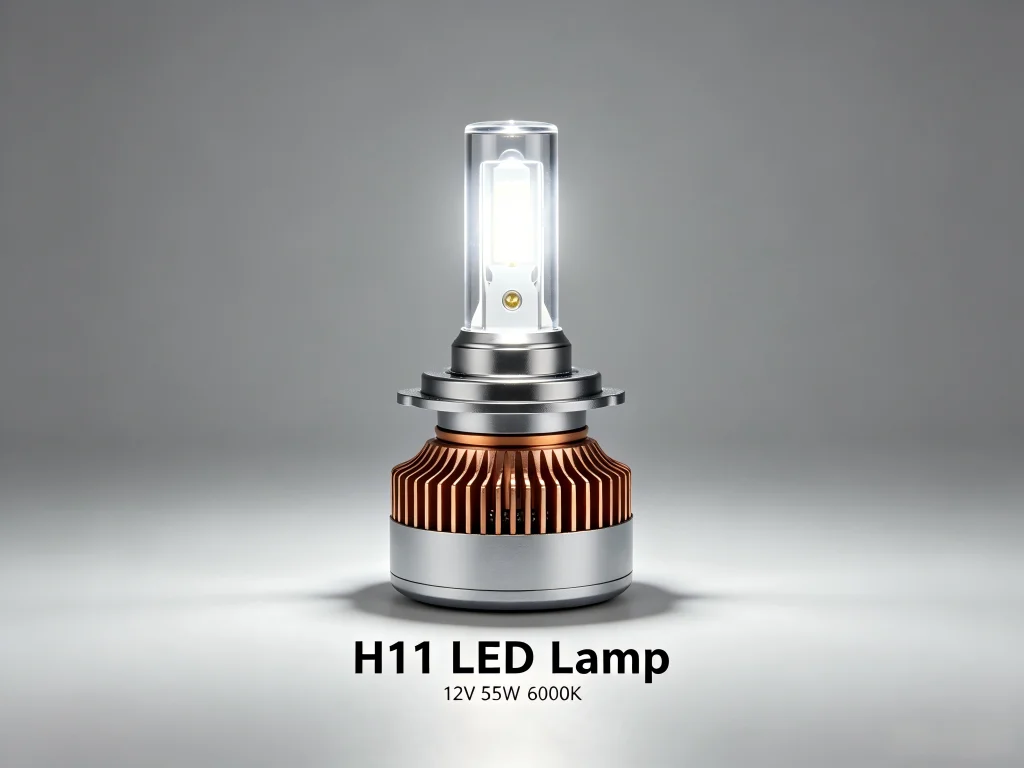
หลอดไฟ LED H11 เป็นการเปลี่ยนแทนหลอดฮาโลเจน H11 โดยตรง โดยใช้เทคโนโลยี LED แทนไส้หลอดที่ให้ความร้อน. การกำหนด “H11” หมายถึงประเภทของเต้าเสียบ—ขั้วต่อสองขาเฉพาะที่ใช้เป็นหลักสำหรับไฟต่ำและไฟตัดหมอก รุ่น LED มีอายุการใช้งานยาวนานกว่า ใช้พลังงานน้อยกว่า และให้แสงที่สว่างและขาวกว่าหลอดฮาโลเจน.
อย่างไรก็ตาม หลอดไฟ LED H11 ไม่ได้ถูกสร้างมาเท่าเทียมกัน ตลาดมีตั้งแต่ตัวเลือกประหยัด 20 ดอลลาร์ไปจนถึงรุ่นพรีเมียม 200 ดอลลาร์ขึ้นไป ความแตกต่างของราคาไม่ใช่แค่การบวกแบรนด์—มันสะท้อนถึงความแตกต่างที่แท้จริงในด้านวิศวกรรม วัสดุ และประสิทธิภาพ.
2. ตารางเปรียบเทียบ: สิ่งที่คุณได้รับในแต่ละระดับราคา
| คุณสมบัติ | ประหยัด (20-40 ดอลลาร์) | ระดับกลาง (40-80 ดอลลาร์) | พรีเมียม (80-150+ ดอลลาร์) |
|---|---|---|---|
| LED Chips | ชิปจีนทั่วไป | แบรนด์ระดับกลาง (Lumileds ฯลฯ) | พรีเมียม (Osram, Nichia, TST custom) |
| การจัดการความร้อน | อะลูมิเนียมพื้นฐาน, พัดลมขนาดเล็ก | อะลูมิเนียมการบิน, ฐานทองแดง | การแยกความร้อน, การระบายความร้อนขั้นสูง |
| รูปแบบลำแสง | มักไม่ดี, แสงกระจาย | โดยทั่วไปดี, มีจุดร้อนบางจุด | เปลี่ยนแทนฮาโลเจนแบบ 1:1 ที่แม่นยำ |
| ความเข้ากันได้กับ CANbus | มักต้องใช้ตัวต้านทานภายนอก | รวมในตัวแต่ อาจไม่ทำงานกับรถทุกคัน | รวมเต็มรูปแบบ, ทดสอบข้ามแพลตฟอร์ม |
| อายุการใช้งาน (โลกจริง) | 3-12 เดือน | 12-36 months | More than 50,000 hours |
| Fan noise | Often audible | Generally quiet | Nearly silent |
This table shows general trends, not hard rules. Some mid-range bulbs outperform premium competitors in certain aspects. The key is to understand why these differences occur, so you can evaluate any bulb based on its actual characteristics.
3. Key Factor 1: Thermal Management—The Hidden Villain
Heat is the biggest threat to LED lifespan. When the LED chip overheats, the phosphor coating degrades, causing color shift and reduced brightness. When the driver circuit overheats, it can be severely damaged.
Most H11 LED bulbs use one of three cooling methods:
- Passive cooling: Uses only a heat sink, no fan. Silent but limited cooling capacity. Suitable for low-power applications.
- Active cooling (fan): Heat sink plus fan. Cooling capacity is higher, but there are moving parts that can fail.
- Heat separation: Separate the LED chip from the driver circuit on different thermal planes. Superior thermal management because it prevents heat from the chip from overheating the electronics.
In our engineering tests, we found that heat separation technology provides the best balance between performance and reliability. The LED chip operates at optimal temperature, the electronic driver circuit stays cool, and there is no fan that can fail. This is why the GTR Ultra 3.0 uses TST (Thermal Separation Technology) with a custom 7045 chipset.
4. Key Factor 2: Beam Pattern—The Safety Difference
The beam pattern determines not only how well you see, but also whether you blind others on the road. A bulb with 10,000 lumens but a poor beam pattern is less useful—and more dangerous—than a 5,000-lumen bulb with a perfect pattern.
The secret to a good beam pattern is chip placement. Halogen bulbs emit light from a single filament at a specific position. For an LED bulb to mimic the halogen beam pattern, the LED chip must be in the exact same position.
Look for bulbs that specify “1:1 beam pattern” or “0.03-inch chip design.” These indicate that the manufacturer prioritizes optical precision. Avoid bulbs that only talk about lumen count without mentioning beam pattern—they may prioritize marketing over engineering.
Independent testing confirms the importance of this: The GTR Ultra 3 H11 “maintained the sharp cutoff that the projector housing was designed to produce, so you get significantly more usable light without blinding oncoming drivers.”.
5. Key Factor 3: CANbus Compatibility—No Dashboard Nightmares
Modern vehicles use a Controller Area Network (CANbus) system to monitor the electrical system. When you install LED bulbs that draw less power than the original halogens, the CANbus often interprets this as a burnt-out bulb and triggers a warning light.
There are three ways to solve this problem:
- External resistor: An accessory that simulates the load of a halogen bulb. It works but requires additional wiring and generates heat.
- Built-in decoder: Built into the lamp driver circuit, cleaner installation but may not work with all vehicles.
- PWM interface module: Advanced electronics that accurately communicate with the vehicle's pulse width modulation system. This is the most reliable method.
If you own a European car (BMW, Audi, Mercedes, VW) or a vehicle with sensitive electrical systems, don't skimp on CANbus compatibility. The frustration of dashboard warning lights and flickering is not worth saving $30.
6. Key Factor 4: Color Temperature—Beyond the Hype
Color temperature is measured in Kelvin (K). Lower numbers are warmer (yellowish), higher numbers are cooler (bluish).
- 3000K: Yellow: Ideal for fog lights—cuts through rain and snow well.
- 4300K: Natural white: Close to daylight, suitable for general use.
- 5000K-6000K: Cool white: Most popular for LED upgrades, looks modern and highly visible.
- 6500K+: Blue-white: Looks harsh, may cause eye strain, and can look tacky.
Most H11 LED bulbs are sold in the 6000K-6500K range because it looks “modern” and “premium”, but actually 5000K-5750K provides better visibility and less eye strain. GTR Ultra 3.0 uses approximately 5750K—cool enough for excellent visibility, but not so blue that it looks harsh.
7. Key Factor 5: Build Quality and Materials
The materials used in H11 LED bulbs say a lot about expected lifespan. Consider:
- Aerospace-grade aluminum housing: Excellent heat dissipation and durability
- Copper or copper alloy base: Better heat conductivity
- IP67 or IP68 waterproof rating: Protects against moisture and dust
- High-quality LED chips: Osram, Nichia, or Lumileds are industry leaders
Cheap bulbs use thin aluminum, plastic parts, and generic LED chips. They may look the same in pictures, but the difference in real durability is very obvious.
8. Real-world testing: What do independent reviews reveal?
We analyzed independent test data and real customer reviews to identify which bulbs actually perform as advertised. Here's what we found:
GTR Ultra 3 consistently outperformed competitors in independent tests. One review stated: “The GTR Lighting Ultra 3 H11 delivers a maximum brightness of 920 lux at the brightest point on the wall, which is 47% brighter than the original.” Another analysis concluded: “The GTR Ultra 3 is the best H11 LED headlight bulb on the market right now.”
Users consistently praised the beam pattern: “I found the beam pattern excellent, with a sharp cutoff line keeping the light where it should be,” and reliability: “It's much brighter, quieter, and the headlight lens feels warmer for those driving in snow.”
Compared to budget alternatives, reviews often mention “flickering,” “failed after 3 months,” or “not as bright as expected.” The pattern is clear: you get what you pay for.
9. Frequently asked questions about H11 LED bulbs
9.1. What is the difference between H11, H8, and H9?
H11, H8, and H9 bulbs use the same physical socket but have different wattages and applications. H11 is typically 55W for low beams and fog lights, H8 is 35W often used for fog lights, and H9 is 65W generally for high beams. Many LED bulbs are compatible with all three socket types.
9.2. How many lumens do I actually need?
Effective lumens matter more than raw lumens. A bulb with 3,000 effective lumens and a perfect beam pattern performs better than a 10,000-lumen bulb with scattered light. Look for effective (not raw) lumens and prioritize beam pattern over raw numbers.
9.3. Will H11 LED bulbs melt my headlight housings?
Quality LED bulbs produce less heat than halogen bulbs, not more. Halogen bulbs generate significant infrared heat. LED bulbs convert more energy into light and less into heat. However, poor heat dissipation designs can cause heat to build up at the base of the bulb, which may damage the connector.
9.4. Do I need to adjust my headlights after installing H11 LEDs?
You may need to adjust your headlight aim, especially if the bulb changes the beam pattern. Even with perfect chip positioning, different bulbs can shift the beam slightly. Always check your headlight aim after installation.
9.5. Are H11 LED bulbs worth the higher cost compared to halogen bulbs?
For most drivers, the answer is yes. LED bulbs last 30-50 times longer than halogen bulbs, use less power, and provide significantly better visibility. The higher initial cost is often offset by fewer replacements and improved safety.
9.6. Which car models use H11 bulbs?
H11 bulbs are used in thousands of car models including Honda, Toyota, Nissan, Ford, Chevrolet, BMW, Audi, and many more. Always check your vehicle's manual or use a compatibility guide to confirm compatibility.
9.7. Can I use H11 LED bulbs for both low beam and fog lights?
Yes, H11 is commonly used for both applications. However, consider the color temperature: 3000K yellow is suitable for fog lights, while 5000-6000K white is better for low beams.
9.8. How do I know if my car requires a CANbus decoder?
If you get dashboard warnings or flickering lights after installation, you need a CANbus decoder. Some cars with sensitive systems may require it even with “CANbus-ready” bulbs. Premium bulbs with PWM interface modules tend to work with the widest range of vehicles.
10. Your decision framework: Which H11 LED bulb is right for you?
From everything we've discussed, here's how to choose:
- If you drive a standard car and want a reliable upgrade: Look for mid-range bulbs with good thermal management and built-in CANbus support. Expect to spend $50-80.
- If you drive a European car with sensitive electronics: Invest in premium bulbs with PWM interface modules and proven CANbus compatibility. Expect to spend $80-150+.
- If you regularly drive in extreme weather conditions: Consider 3000K yellow bulbs for fog lights and 5000-5750K for low beams.
- If you prioritize beam pattern above all else: Prioritize bulbs that specify a “1:1 beam pattern” or have independent testing confirming proper cutoff.
11. Why GTR Lighting is the choice of professionals
After analyzing all of this, you might wonder why we confidently recommend GTR Lighting. The answer is simple: we've tested the alternatives, and the results speak for themselves.
The GTR Lighting Ultra Series 3.0 H11 bulbs feature:
- Custom TST 7045 LED chips With heat separation technology that keeps electronics cool
- 47% more usable light Compared to standard halogen bulbs
- Precise beam pattern That maintains the factory cutoff without glare
- Integrated CANbus support That works with many vehicle platforms
- Ultra-quiet operation No audible fan noise
- Available in both white 5750K and yellow 3000K For different applications
Independent reviewers agree: “For most drivers looking to make a major visibility upgrade, the GTR Lighting H11/H9/H8 Ultra 3 is our top pick.”
You've done your research. You understand what separates a good bulb from a low-quality one. It's time to make the choice that thousands of knowledgeable drivers have already made.
เยี่ยมชม https://www.rhgtr.com To find GTR Lighting's H11 LED bulbs today. Experience the difference that real engineering delivers—brighter roads, safer driving, and no compromises.