
آپ آٹو پارٹس کی گلی میں کھڑے ہیں – یا ایمیزون کی لامتناہی فہرستوں میں اسکرول کر رہے ہیں – ایچ 4 بلب کو دیکھ رہے ہیں جو حیرت انگیز طور پر مختلف چمک، عمر اور قیمتوں کا دعویٰ کرتے ہیں۔ ایک کی قیمت چند ڈالر کے برابر ہے۔ دوسرے کی قیمت بیس گنا زیادہ ہے۔ دونوں پر “H4” لکھا ہے۔ آپ کو اصل میں کس کی ضرورت ہے؟ اور زیادہ اہم بات، کون سا آپ کی گاڑی میں واقعی کام کرے گا بغیر سامنے والی ٹریفک کو اندھا کیے یا چھ ماہ میں ناکام ہوئے بغیر؟
This guide cuts through the marketing hype. Based on our engineering testing and real-world installation data on thousands of vehicles, we detail what separates a smart H4 headlight bulb purchase from an expensive mistake.
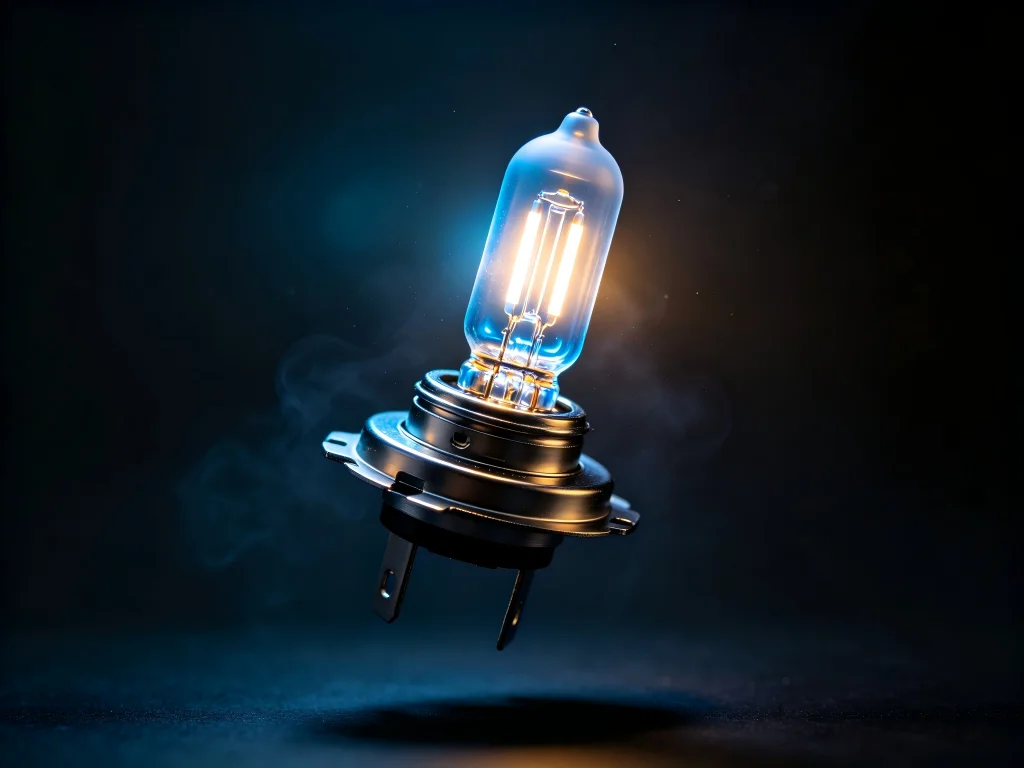
1. First, the confusion: H4, 9003, and HB2 – are they the same?
Yes. H4, 9003, and HB2 are exactly the same bulb. The difference is just the part number – like shoe sizes in the US versus Europe.
The H4 designation is more common in Europe and Asia, while 9003 is used in North America. HB2 is a third variant that appears in some OEM specifications. All three have identical dimensions, the same three-pronged P43t base, the same 12V operating voltage, and the same 60W high beam / 55W low beam rating for halogen versions.
Why does this matter? Because when you search for H4 headlight bulbs, you may also see listings for “9003” or “HB2” – and you can confidently buy any of them. They will fit in the same socket and perform identically.
1.1. The H4 connector: What you need to know
The H4 bulb uses the P43t base – a pre-focus design with three blades in a line: ground, high beam, and low beam. This connector has been standard since the H4 bulb was introduced in 1971, and it is one of the most common headlight connectors in the world. The three-pronged design is open, making installation easy – but it also means that polarity matters for LED replacements.
When upgrading H4 headlight bulb LED, , you are still using the same P43t socket. The bulb simply draws less power and produces light through a different mechanism. But this lower power consumption creates its own challenges – which we will cover soon.
2. Halogen H4 vs LED H4: Real Comparison
Most drivers upgrading their H4 bulbs are deciding between sticking with halogen or switching to LED. This is what the spec sheets don't tell you.
| Specifications | Halogen H4 | LED H4 (Standard) | LED H4 (Cheap) |
|---|---|---|---|
| Power Draw (Low/High) | 55W / 60W | ~20–25W per bulb | Very different, often exaggerated |
| Luminous Flux | 1,000–1,650 lm | 3,600–10,800+ lm | Often 1,000–2,000 lm (barely better than halogen) |
| رنگ کا درجہ حرارت | ~3,200K (warm yellow) | 5,000–6,500K (ٹھنڈا سفید) | اکثر 6,500K+ (سخت نیلا-سفید) |
| متوقع عمر | 160–500 گھنٹے (Tc) | 10,000–45,000 گھنٹے | اکثر مہینوں میں ناکام |
| شعاعی نمونہ | فیکٹری کی مخصوص کردہ | 1:1 فلیمنٹ پوزیشن میچ | بکھری ہوئی، خراب کٹ آف، چکاچوند |
| CANbus مطابقت | مقامی | کچھ گاڑیوں پر ڈیکوڈر کی ضرورت پڑ سکتی ہے | تقریباً ہمیشہ ڈیکوڈر کی ضرورت ہوتی ہے، اکثر ناکام ہو جاتا ہے |
ایک معیاری LED H4 بلب ہالوجن سے تقریباً 2.5 سے 5 گنا زیادہ مفید روشنی پیدا کر سکتا ہے جبکہ آدھی سے بھی کم بجلی استعمال کرتا ہے۔ لیکن ایک سستا LED بلب شاید ہالوجن سے بمشکل زیادہ روشنی پیدا کرے – صرف مختلف رنگ میں – جبکہ بیم پیٹرن بناتا ہے جو دراصل مرئیت کے لیے بدتر ہوتا ہے۔.
2.1. لومینز بمقابلہ لکس: اصل میں کیا اہم ہے
بہت سی فہرستیں لومین نمبروں پر فخر کرتی ہیں – 50,000 لومینز! 100,000 لومینز! یہ نمبر تقریباً ہمیشہ لیبارٹری کے حالات میں ناپے جاتے ہیں جو حقیقی دنیا کی کارکردگی کی عکاسی نہیں کرتے۔ اصل میں جو چیز اہم ہے وہ لکس ہے – روشنی کی مقدار جو آپ کی گاڑی کے سامنے سڑک کی سطح تک پہنچتی ہے۔
ایک آزاد ٹیسٹ میں پایا گیا کہ ایک معیاری H4 LED نے لو بیم پر 2,524 لکس پیدا کیے جبکہ ہالوجن سے صرف 459 لکس – اصل سڑک کی روشنی میں 5.5 گنا بہتری۔ یہ ایک بامعنی فرق ہے جو آپ گاڑی چلاتے ہوئے دیکھ اور محسوس کر سکتے ہیں۔ ڈبے پر لکھا لومین نمبر؟ سڑک پر روشنی کے فوکس ہونے کے طریقے سے کہیں کم متعلقہ ہے۔.
3. H4 ہیڈلائٹ بلب خریدتے وقت پانچ چیزیں جو واقعی اہم ہیں
ہمارے انجینئرنگ تجزیہ اور 50,000 سے زیادہ تنصیبات کے فیلڈ ڈیٹا کی بنیاد پر، یہ پانچ معیار ہیں جو ایک اچھی خریداری کو بری سے الگ کرتے ہیں۔.
3.1. LED چپ پلیسمنٹ (بیم پیٹرن کی درستگی)
یہ سب سے اہم عنصر ہے – اور وہ جسے زیادہ تر خریدار نظر انداز کرتے ہیں۔ آپ کا ہیڈلائٹ ریفلیکٹر ایک مخصوص روشنی کے منبع کی پوزیشن کے ارد گرد ڈیزائن کیا گیا تھا: ہالوجن فلیمنٹ۔ اگر LED چپس بالکل اسی پوزیشن پر نہیں ہیں، تو بیم پیٹرن بکھر جاتا ہے۔
معیاری LED چپس جیسے Philips ZES 1.6mm x 2.0mm ناپتی ہیں – ہالوجن فلیمنٹ کی چوڑائی سے قریب سے مماثل۔ بہترین H4 LED بلب 0.0074 انچ تک تنگ چپ اسپیسنگ کے ساتھ 1:1 فلیمنٹ پوزیشننگ حاصل کرتے ہیں۔ سستے LEDs بڑی چپس استعمال کرتے ہیں یا انہیں غلط جگہ رکھتے ہیں، بیم پیٹرن کو تباہ کر دیتے ہیں اور آنے والی ٹریفک کے لیے چکاچوند پیدا کرتے ہیں۔
ریفلیکٹر ہاؤسنگ کے لیے – جو زیادہ تر H4 والی گاڑیوں میں ہوتی ہیں – بیم کی درستگی خام چمک سے بھی زیادہ اہم ہے۔ کامل بیم پیٹرن والا کم روشن بلب بکھری روشنی والے زیادہ روشن بلب سے بہتر مرئیت دے گا۔.
3.2. تھرمل مینجمنٹ: پنکھا بمقابلہ بغیر پنکھے
گرمی LEDs کو ختم کرتی ہے۔ پیریڈ۔ ہر H4 LED بلب کو کسی نہ کسی شکل کی تھرمل مینجمنٹ کی ضرورت ہوتی ہے – یا تو فعال (پنکھا) یا غیر فعال (ہیٹ سنک)۔
پنکھے سے ٹھنڈے ہونے والے LEDs عام طور پر غیر فعال طور پر ٹھنڈے ہونے والے لیمپوں سے زیادہ دیر چلتے ہیں – لیکن پنکھے خود ناکام ہو سکتے ہیں۔ جب پنکھا ناکام ہوتا ہے، LED زیادہ گرم ہو کر مر جاتا ہے۔ بغیر پنکھے کے ڈیزائن اس ناکامی کے نقطہ کو ختم کر دیتے ہیں لیکن زیادہ درجہ حرارت والے ماحول میں گرمی کو مؤثر طریقے سے خارج نہیں کر سکتے۔
کچھ صارفین رپورٹ کرتے ہیں کہ بغیر پنکھے کے ڈیزائن برسوں بغیر کسی مسئلے کے چلتے ہیں۔ دوسروں نے پنکھے والے بلب کو پنکھے کی ناکامی کی وجہ سے مہینوں میں ناکام ہوتے دیکھا ہے۔ کلید تعمیر کا معیار ہے – مناسب ہیٹ سنکنگ کے ساتھ ایک اچھی طرح سے انجنیئرڈ بغیر پنکھے والا ڈیزائن خراب بنے ہوئے پنکھے والے یونٹ سے بہتر کارکردگی دکھا سکتا ہے۔
ایک حقیقی دنیا کا مشاہدہ: “میرے ہاتھ کی پشت کہتی ہے کہ اسی لینس میں معیاری H4 بلب 30 منٹ کی ڈرائیو کے بعد LEDs سے زیادہ گرم ہو جاتے ہیں“۔ LEDs ڈیزائن کے لحاظ سے ہالوجن سے ٹھنڈے چلتے ہیں – لیکن پھر بھی وہ حرارت پیدا کرتے ہیں جس کا انتظام کرنا ضروری ہے۔.
3.3. CANbus مطابقت اور جھلملاہٹ
یہ وہ جگہ ہے جہاں بہت سے LED اپ گریڈ غلط ہو جاتے ہیں۔ آپ کی گاڑی کا CANbus سسٹم ہر بلب کے برقی بوجھ کی نگرانی کرتا ہے۔ ایک ہالوجن H4 لو بیم پر 55W کھینچتا ہے۔ ایک LED H4 20W کھینچتا ہے۔ CANbus اس کم کھینچ کو “بلب خراب” کی حالت سے تعبیر کرتا ہے اور بجلی کو پلس کر سکتا ہے – جس سے جھلملاہٹ ہوتی ہے، یا بلب کو بالکل بجلی دینے سے انکار کر دیتا ہے۔
A solution is a CANbus decoder or anti-flicker capacitor that adds load resistance to fool the system. Some LED bulbs are marketed as “CANbus-ready” – meaning they include this circuitry internally. Others require an external decoder.
Key point: Even “CANbus-ready” bulbs may not work on every vehicle. Some European cars and some Chrysler/Dodge models are notoriously picky. If your vehicle is sensitive, you may need to add a decoder regardless of product listing claims.
3.4. Color Temperature: 3000K vs 5000K vs 6000K
Color temperature is measured in Kelvin (K) and affects both visibility and comfort.
- 3000K (Yellow/Amber): Penetrates fog and rain by reducing glare. Best for bad weather but looks less “modern.”.
- 4300K–5000K (Natural White): Closest to natural sunlight. Good visibility in all conditions with minimal eye strain.
- 6000K (Cool White): Most common LED color. Sharp, modern appearance with higher perceived brightness. Can appear harsh in wet conditions.
- 6500K+ (Blue-White): Harsh, reduces contrast, and often illegal for road use in many areas.
For most drivers, 5000K–6000K offers the best balance of visibility and comfort. If you often drive in fog or rain, consider 3000K for your fog lights and 5000–6000K for your main beam.
3.5. Build Quality and Warranty
A $15 LED H4 bulb and a $100 LED H4 bulb may look identical in pictures. The difference is in the components: quality of LED chips, thermal management, wiring, and connector materials. A member of the PakWheels forum put it bluntly: Cheap LEDs like “C6 Bugatti”Highly pitiful”are.
Look for bulbs with documented chip sources (Philips, Cree, or Seoul Semiconductor are good signs), proper thermal design, and at least a one-year warranty. A warranty doesn't guarantee quality – but its absence is a warning sign.
4. What drivers actually say: real-world opinions
In our analysis of thousands of real user experiences, several patterns consistently emerge.
A driver who tested multiple H4 LED options noted: “FWIW GTR Ultra 3.0 are the best. I like the color, which seems more reflective on road markings compared to other LEDs, the beam width is wider than Morimoto, and I find no dark spots in the light“.
Another user who tried both GTR and competing brands concluded: “I can't say the 4.0's light or beam pattern is significantly better than GTR Lighting units. If I were getting replacements, I'd probably go back to the GTR Mini because they fit better inside the headlight mount without any hassle and they don't have a fan“.
A third, about GTR Ultra 3.0 H4 bulbs, said: “Oh. My. God. Expensive but absolutely amazing lumen output. Precise LED chip placement (plus clockability) gives an OEM-spec pattern and spread“.
The common thread? Precise engineering matters more than advertised lumens. A bulb that fits correctly, positions the light source accurately, and handles heat effectively will outperform cheaper bulbs every time.
5. Frequently asked questions about H4 headlight bulbs
5.1. Is H4 the same as 9003?
Yes. H4, 9003, and HB2 are the same bulb with different part numbers. All three have identical dimensions, the same P43t base, and the same 12V/55W-60W specifications.
5.2. What is the wattage of a standard H4 headlight bulb?
Standard halogen H4 bulbs are rated at 60W for high beam and 55W for low beam. LED equivalents typically draw 18–25W while producing comparable or more light.
5.3. Why is my H4 LED bulb flickering?
Your vehicle's CANbus system detects the LED's lower power draw and interprets it as a bulb failure. This causes power pulsation (flickering) or complete power cutoff. CANbus decoders or anti-flicker resistors solve this by adding load resistance.
5.4. Can I install H4 LED bulbs in a halogen housing?
Yes – but only if the LED bulb has correct chip placement that matches the halogen filament position. Quality H4 LEDs are specifically designed for this. Cheap LEDs with incorrect placement will scatter light, reduce visibility, and cause glare.
5.5. How long do H4 headlight bulbs last?
Halogen H4 bulbs typically last 160–500 hours (Tc rating). Quality LED H4 bulbs can last 10,000–45,000 hours – significantly longer – but it entirely depends on thermal management and component quality.
5.6. Which color temperature should I choose for my H4 bulbs?
5000K–6000K offers the best balance of visibility and comfort for most driving conditions. Choose 3000K for fog lights or if you frequently drive in fog and rain.
5.7. Do I need a CANbus decoder for H4 LED bulbs?
It depends on your vehicle. Many newer vehicles with CANbus systems require a decoder. Some LED bulbs are “CANbus-ready” and include the necessary circuitry internally – but still, some vehicles may require an external decoder.
6. Making the right choice for your vehicle
Your H4 headlight bulbs It is not just a replacement part. It is your primary safety system at night. Choosing only the cheapest instead of h4 headlight bulb price This means compromising on beam pattern, longevity, and reliability – all of which affect your ability to see and be seen.
What sets GTR apart from competitors is not just better components – although we use premium LED chips and advanced thermal management. It is engineering precision: chip placement accurate to 0.01mm, active thermal regulation that maintains optimal temperature in any condition, and plug-and-play compatibility that works with your vehicle's existing systems.
Whether you are h4 headlight bulbs near me searching or ordering online, the same principles apply: prioritize beam accuracy over advertised lumens, choose quality thermal management, and verify CANbus compatibility for your specific vehicle.