
Walk into any motorcycle parts store or browse online, and you‘ll face a dizzying array of motorbike headlamp options. Halogen. HID. LED. Each claims to be the best. Each comes with a different price tag. And each performs very differently once the sun goes down. This guide cuts through the marketing hype to help you make an informed decision.
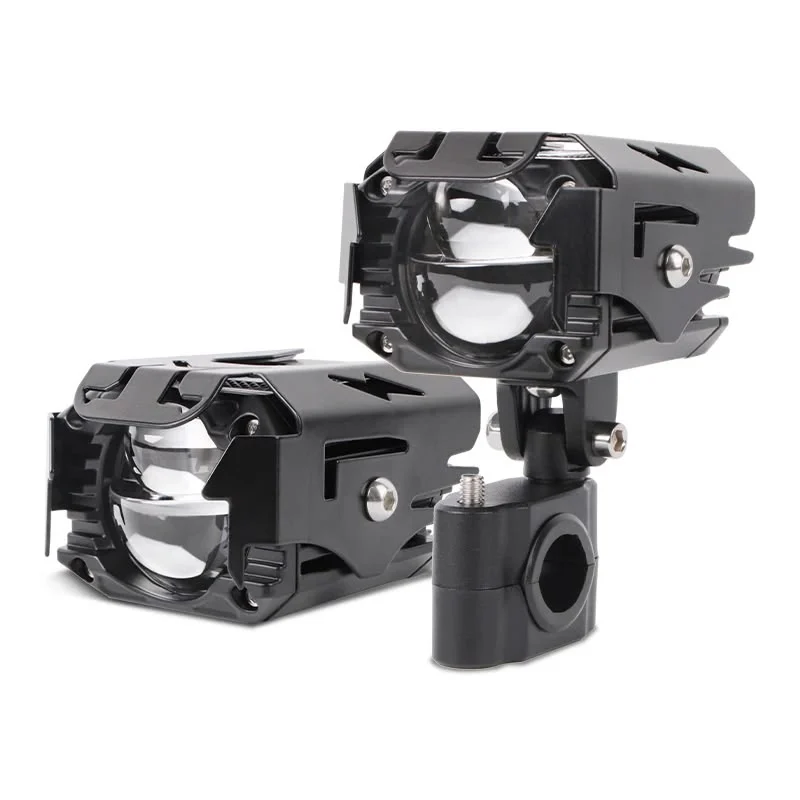
1. The Three Contenders: A Quick Overview
Three technologies dominate the motorbike headlamp market today: halogen (the traditional workhorse), HID/xenon (the mid-range upgrade), and LED (the modern standard). Each has distinct advantages and trade-offs that affect your safety, your wallet, and your riding experience[reference:32].
Here‘s what you need to know about each:
| خصوصیت | Halogen | HID/Xenon | LED |
|---|---|---|---|
| Light Output (Lumens) | 900–1,500[reference:33] | 2,500–4,000 | 3,000–6,000+[reference:34] |
| توانائی کی کھپت | 35–55W[reference:35] | 35–50W | 10–30W[reference:36] |
| عمر (گھنٹے) | 500–1,000[reference:37] | 2,000–3,000[reference:38] | 20,000–50,000+[reference:39] |
| رنگ کا درجہ حرارت | 3,000–4,300K (warm yellow)[reference:40] | 4,000–6,000K (white-blue) | 5,000–6,500K (crisp white)[reference:41] |
| گرم اپ کا وقت | فوری | 5-15 seconds | Instant[reference:42] |
| حرارت کی پیداوار | Very high[reference:43] | اعتدال پسند | Low[reference:44] |
| عام لاگت | $10–$30 | $50–$150+ | $80–$300+ |
| Ease of Installation | Simple | Complex (requires ballast)[reference:45] | Simple to moderate[reference:46] |
2. Halogen: The Budget Option with Hidden Costs
Halogen motorbike headlamp bulbs have been the standard for decades[reference:47]. They‘re cheap to buy, widely available, and familiar to every mechanic. But that affordability comes with significant trade-offs.
The core issue is efficiency. Halogen bulbs convert roughly 80% of their electrical energy into heat[reference:48]. Only about 20% becomes usable light. That means your battery works harder, your charging system strains more, and you get less illumination for your trouble[reference:49].
Then there‘s the lifespan problem. At 500–1,000 hours, you‘ll replace a halogen motorbike headlamp bulb multiple times over the life of your bike[reference:50]. Each replacement costs money and time. More importantly, each failure happens at the worst possible moment—usually at night, in the rain, far from home.
The warm yellow light of halogen does have one advantage: it cuts through fog and rain slightly better than whiter light[reference:51]. But in clear conditions, that warm glow reduces contrast and makes hazards harder to spot[reference:52]. For most riders, the trade-off isn‘t worth it.
3. HID/Xenon: Bright but Complicated
High-Intensity Discharge (HID) lights, often called xenon lights, represented a genuine leap forward when they appeared[reference:53]. They‘re significantly brighter than halogen and produce a whiter, more modern-looking beam[reference:54].
But HID systems come with baggage. They require a ballast to start and regulate the arc[reference:55]. That means more components, more wiring, and more potential failure points. Installation is more complex than swapping a bulb[reference:56]. And if something goes wrong, diagnosing the problem isn‘t straightforward.
HID lights also take several seconds to reach full brightness[reference:57]. That delay matters when you start your bike and pull onto a dark road. You‘re effectively riding with reduced visibility during those critical first moments.
Glare is another concern. Poorly aimed or improperly installed HID systems scatter light unpredictably, blinding oncoming drivers[reference:58]. That‘s not just annoying—it‘s dangerous and potentially illegal.
4. LED: The New Standard for Good Reason
LED motorcycle LED headlamp technology has matured rapidly. What was once an expensive novelty is now the default choice for manufacturers and riders alike[reference:59].
The advantages are compelling. LEDs produce more light per watt than any other option[reference:60]. They last 20 to 50 times longer than halogen[reference:61]. They reach full brightness instantly[reference:62]. And they generate far less heat, which means less stress on your motorbike headlamp cover and housing[reference:63].
Beam control is where LEDs truly excel. The light source is directional, allowing engineers to shape beam patterns with precision[reference:64]. A quality LED motorbike headlamp produces a clean cutoff line that keeps light on the road and out of oncoming traffic‘s eyes. That‘s something halogen and HID systems struggle to match.
Modern LED headlamps also address the heat concern that plagued early units. Advanced heat sinks and, in some cases, active cooling fans maintain optimal operating temperatures[reference:65]. The result is consistent performance over tens of thousands of hours[reference:66].
5. What the Numbers Don‘t Tell You
Raw specifications only tell part of the story. Here‘s what experienced riders and mechanics know:
- Beam pattern matters more than lumens: A 5,000-lumen light with a scattered beam is less useful than a 3,000-lumen light with a focused, well-shaped pattern[reference:67].
- Color temperature affects perception: 5,700K produces a crisp white light that enhances contrast[reference:68]. Warmer light (3,000–4,300K) may feel easier on the eyes but reduces your ability to distinguish objects[reference:69].
- Heat management determines longevity: LEDs that overheat lose brightness over time[reference:70]. Look for substantial aluminum heat sinks or active cooling.
- Certification isn‘t optional: DOT (USA) or ECE (Europe) approval ensures your headlamp meets legal standards[reference:71]. Uncertified lights may look good in the box but fail on the road—or get you pulled over.
6. Red Flags: What to Avoid When Buying
ہر motorbike headlamp on the market delivers what it promises. Watch for these warning signs:
- Exaggerated lumen claims: If a $30 bulb claims 10,000 lumens, it‘s lying. Real-world LED output from reputable brands sits in the 3,000–6,000 lumen range[reference:72].
- No certification markings: Without DOT or ECE approval, you‘re buying a gamble. It might work. It might blind everyone. It might fail in a week[reference:73].
- Poor heat management: Small, lightweight housings with no visible heat sink will degrade quickly[reference:74].
- Vague compatibility claims: “Fits most bikes“ is a red flag. You need specific fitment information for your make and model[reference:75].
- No CANBUS compatibility: Modern bikes with CANBUS electrical systems may reject LED bulbs, causing flicker or error codes[reference:76].
7. Real-World Performance: What Riders Say
“The Morimoto Sealed 7 is one of my favorites because it has arguably the perfect beam pattern,“ notes one industry reviewer[reference:77]. “Some headlights are brighter than this one, but they do not all fit the same as this does.“
That observation cuts to the heart of the matter. Raw brightness isn‘t everything. Fit, beam pattern, and reliability matter just as much.
Another rider upgrading from halogen reported: “Compared to modern lighting technologies, halogen bulbs produce less usable light, particularly at longer distances. A quality LED setup can last many times longer than a comparable halogen bulb“[reference:78].
These aren‘t marketing claims. They‘re the experiences of riders who made the switch and never looked back.
8. Making the Right Choice for Your Bike
Your decision comes down to three factors: your budget, your riding style, and your tolerance for maintenance.
If you ride primarily in well-lit urban areas and rarely venture out after dark, halogen may suffice. It‘s cheap, it works, and replacement is simple. But understand that you‘re compromising on safety every time you leave the city lights behind.
If you‘re a weekend warrior who logs miles on backroads, LED is the clear winner. The superior visibility, longer lifespan, and lower power consumption make it the smart choice for riders who actually use their bikes[reference:79].
HID occupies an awkward middle ground. It‘s brighter than halogen but more complicated than LED. For most riders, the complexity isn‘t worth the modest performance gain.
9. Frequently Asked Questions About Motorbike Headlamps
9.1. Do you have to have a headlight on a motorcycle?
Yes. Every motorcycle operated on public roads must have at least one functioning headlamp[reference:80]. Most jurisdictions require headlights to be on at all times, day and night. Riding without one is illegal and dangerous[reference:81].
9.2. What are the types of motorcycle headlights?
Three types dominate the market: halogen (traditional, inexpensive, short lifespan), HID/xenon (bright, complex installation, moderate lifespan), and LED (efficient, long-lasting, superior beam control)[reference:82]. LED is increasingly the standard on new motorcycles[reference:83].
9.3. Are LED motorcycle headlights better than halogen?
By almost every measurable metric, yes. LEDs produce more light per watt, last 20–50 times longer, reach full brightness instantly, and generate far less heat[reference:84][reference:85]. The only disadvantage is higher upfront cost, which is offset by longer lifespan and lower replacement frequency.
9.4. Can I just replace my halogen bulb with an LED bulb?
Sometimes, but not always. LED bulbs in halogen housings often produce scattered beam patterns that reduce visibility and blind oncoming traffic[reference:86]. For best results, replace the complete headlamp assembly with one designed for LED optics.
9.5. How do I know if a headlight is road-legal?
Look for DOT (USA) or ECE (Europe) certification markings on the housing[reference:87]. These indicate the headlamp meets legal standards for beam pattern, brightness, and glare control. Uncertified lights may look impressive but fail to perform safely on public roads.
9.6. Does a motorcycle need a headlight during the day?
In many jurisdictions, yes. Even where not required by law, running your headlight during the day significantly improves your visibility to other drivers. Many modern motorcycles have always-on headlights for this reason.
9.7. How often should I replace my motorbike headlamp bulb?
Halogen bulbs typically need replacement every 500–1,000 hours[reference:88]. HID bulbs last 2,000–3,000 hours[reference:89]. LED systems can last 20,000–50,000 hours or more[reference:90]—meaning you may never need to replace them during your ownership.
9.8. Why does my headlight flicker after upgrading to LED?
Modern motorcycles with CANBUS electrical systems may not recognize LED bulbs‘ lower power draw[reference:91]. This can cause flickering or error codes. A CANBUS-compatible LED headlamp or an additional resistor typically solves the problem[reference:92].
10. Choose GTR: Engineering You Can Trust
At جی ٹی آر, we don‘t just sell motorbike headlamps—we engineer solutions that riders can depend on. Every unit is built with premium LED chips, robust heat management, and precision optics that deliver a clean, focused beam pattern. DOT and ECE certified. IP67 weather-sealed. And backed by years of manufacturing expertise.
We understand what riders need because we ride too. We know the difference between a headlamp that looks good in a catalog and one that performs when it matters most. That‘s why we build our products to the highest standards—and why riders around the world trust GTR to light their way.
Explore the GTR range today and experience the difference that precision engineering makes. Your next ride deserves better light.