صحیح پیلی فوگ لائٹس کا انتخاب سب سے زیادہ چمکدار بلب چننے کے بارے میں نہیں ہے۔ یہ سمجھنے کے بارے میں ہے کہ دھند میں واقعی کیا کام کرتا ہے—اور ان مارکیٹنگ کے جالوں سے بچنا ہے جو مرئیت کم ہونے پر آپ کو اندھا کر دیتے ہیں۔.
اگر آپ پیلی فوگ لائٹس خریدنے کا ارادہ رکھتے ہیں، تو آپ نے شاید ایک بات نوٹ کی ہوگی: اختیارات بہت زیادہ ہیں۔ سینکڑوں برانڈز۔ بہت مختلف قیمتیں۔ lumens، رنگ کے درجہ حرارت، اور “ہالوجن سے 300% زیادہ روشن” کے بارے میں متضاد دعوے۔
یہ گائیڈ شور کو ختم کرتی ہے۔ ہم نے اعلیٰ درجہ بندی والے پیلی فوگ لائٹ جائزوں، فورموں، اور صنعتی جانچ کا تجزیہ کیا ہے۔ ہم نے شناخت کیا ہے کہ واقعی کیا اہم ہے—اور کیا صرف مارکیٹنگ کی بھرتی ہے۔ آخر تک، آپ کو بالکل معلوم ہو جائے گا کہ کیا تلاش کرنا ہے اور کون سی مصنوعات حقیقی کارکردگی دکھاتی ہیں۔.
1. پیلی بمقابلہ سفید فوگ لائٹس: وہ فیصلہ جو سب سے پہلے اہم ہے
کسی مخصوص مصنوعات کا انتخاب کرنے سے پہلے، آپ کو فیصلہ کرنا ہوگا: پیلی یا سفید؟
پیلی فوگ لائٹس سفید روشنی سے زیادہ لمبی طول موج والی روشنی استعمال کرتی ہیں۔ اس کا مطلب ہے کہ دھند یا نمی سے ٹکرانے پر روشنی کم بکھرتی ہے، جس سے گھنی حالتوں میں چکاچوند کم اور تضاد بہتر ہوتا ہے۔.
یہاں عملی تفصیل ہے:
| حالت | پیلی فوگ لائٹس | سفید فوگ لائٹس |
|---|---|---|
| گھنی دھند (مرئیت <100m) | بہترین – کم چکاچوند، بہتر تضاد | خراب – بڑھی ہوئی بیک اسکیٹر، چکاچوند |
| تیز بارش یا برف | بہترین – بارش میں کاٹ کر گزرتی ہے | درمیانہ – کچھ چکاچوند کے مسائل |
| ہلکی دھند یا کہر | اچھا | اچھا – زیادہ روشن، زیادہ تفصیل |
| صاف موسم | کارآمد | بہتر – قدرتی ظاہری شکل، زیادہ روشنی |
| آف روڈ / گرد آلود موسم | بہترین – دھند کو چیرتا ہے | اعتدال پسند |
Decision: اگر آپ باقاعدگی سے دھند، تیز بارش یا برف میں گاڑی چلاتے ہیں، تو پیلا واضح طور پر بہتر ہے۔. اگر آپ زیادہ تر صاف موسم میں گاڑی چلاتے ہیں اور جدید ظاہری شکل چاہتے ہیں، تو سفید کافی ہو سکتی ہے۔ کوئی عالمگیر “بہترین” نہیں ہے — انتخاب اس بات پر منحصر ہے کہ آپ کہاں اور کیسے گاڑی چلاتے ہیں۔.
2. پیلے فوگ لائٹس میں کیا تلاش کریں: اہم خصوصیات
تمام پیلے فوگ لائٹس یکساں کارکردگی نہیں دکھاتیں۔ یہاں وہ خصوصیات ہیں جو واقعی اہم ہیں:
2.1. رنگ کا درجہ حرارت (کیلون ریٹنگ)
3000K سے 3500K تلاش کریں۔ یہ پیلے فوگ لائٹس کے لیے سائنسی طور پر بہترین حد ہے۔.
3000K سے کم (عنبر/عنبر پیلا) روشنی کو بہت زیادہ کم کر دیتا ہے۔ 3500K سے زیادہ گرم سفید کی طرف مائل ہو جاتا ہے اور دھند کاٹنے کا فائدہ کھو دیتا ہے۔ کچھ برانڈز “5000K کول یلو” کی تشہیر کرتے ہیں — یہ محض مارکیٹنگ کی بکواس ہے۔ دھند کے لیے، آپ کو 3000K-3500K چاہیے، بس۔.
2.2. لیمن آؤٹ پٹ بمقابلہ بیم پیٹرن
یہاں وہ جگہ ہے جہاں زیادہ تر خریدار دھوکہ کھا جاتے ہیں۔
بہت سی برانڈز بہت بڑے لیمن نمبروں کی تشہیر کرتی ہیں — 14,000، 17,000، یہاں تک کہ 20,000 لیمن۔ خام لیمن یہ نہیں بتاتے کہ فوگ لائٹ کتنی اچھی کارکردگی دکھاتی ہے۔. بیم پیٹرن کل آؤٹ پٹ سے زیادہ اہم ہے۔.
ناقص فوکس والا 14,000-لیمن بلب روشنی ہر جگہ بکھیر دیتا ہے، جس سے چکاچوند پیدا ہوتی ہے لیکن سڑک کی نظر آنے کی صلاحیت بہتر نہیں ہوتی۔ اچھی طرح ڈیزائن کیا گیا 6,000-لیمن بلب درست بیم پیٹرن کے ساتھ سڑک کی سطح کو بالکل وہیں روشن کرتا ہے جہاں آپ کو ضرورت ہوتی ہے۔
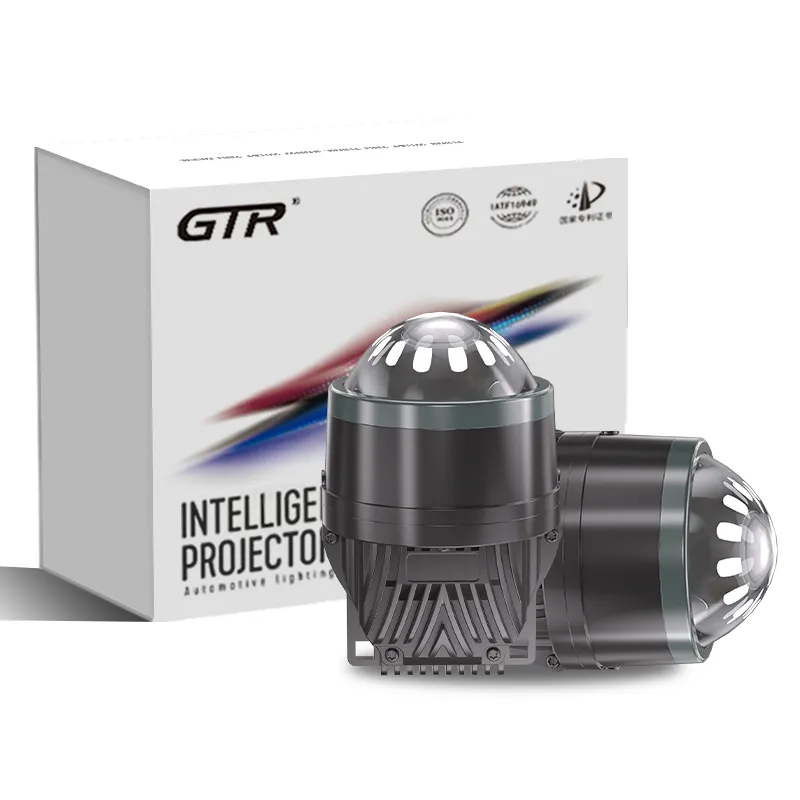
آزاد مقابلے کی جانچ میں، GTR Ultra 2.0 نے زیادہ دعویٰ شدہ لیمن آؤٹ پٹ والے حریفوں کے مقابلے میں بہتر بیم فوکس کا مظاہرہ کیا۔ یہ مارکیٹنگ کے نمبروں اور حقیقی کارکردگی کے درمیان فرق ہے۔.
2.3. تعمیراتی معیار اور تھرمل مینجمنٹ
ایل ای ڈی گرمی پیدا کرتی ہیں۔ اگر اس گرمی کا مناسب انتظام نہ کیا جائے تو بلب وقت کے ساتھ اپنی چمک کھو دیتے ہیں — اس رجحان کو کہا جاتا ہے لیمن ڈی گریڈیشن.
ایئر کرافٹ گریڈ ایلومینیم کی تعمیر اور فعال کولنگ (پنکھے یا ہیٹ سنک) تلاش کریں۔.
سستے بلب پلاسٹک کے ہاؤسنگ اور غیر فعال کولنگ استعمال کرتے ہیں جو مسلسل استعمال کو سنبھال نہیں سکتے۔ GTR جیسے مینوفیکچررز کے پریمیم بلب بلب کی عمر بھر مستقل آؤٹ پٹ برقرار رکھنے کے لیے جدید تھرمل مینجمنٹ استعمال کرتے ہیں۔.
2.4. واٹر پروف ریٹنگ
فوگ لائٹس آپ کی گاڑی پر نیچے لگی ہوتی ہیں، جو براہ راست پانی، کیچڑ اور سڑک کے ملبے کے سامنے ہوتی ہیں۔. IP67 یا IP68 ریٹنگ ضروری ہے۔.
IP67 کا مطلب ہے کہ بلب دھول سے محفوظ ہے اور 30 منٹ تک 1 میٹر تک پانی میں ڈوبنے کو برداشت کر سکتا ہے۔ IP68 اس سے بھی زیادہ تحفظ فراہم کرتا ہے۔ اس سے کم کچھ بھی ہو تو آپ بالکل ان حالات میں ناکامی کا خطرہ مول لے رہے ہیں جہاں آپ کو لائٹس کی سب سے زیادہ ضرورت ہوتی ہے۔.
2.5. روڈ لیگل سرٹیفیکیشن
SAE، DOT، یا ECE سرٹیفیکیشن یقینی بناتا ہے کہ آپ کی فوگ لائٹس سڑک پر استعمال کے لیے قانونی ہیں۔.
“صرف آف روڈ استعمال” کے لیبل والی مصنوعات آپ کے علاقے میں قانونی تقاضوں کو پورا نہیں کر سکتیں۔ ہمیشہ مناسب سرٹیفیکیشن مارکنگ کی جانچ کریں۔.
3. پیلی فوگ لائٹ کے اختیارات: بلب بمقابلہ مکمل ہاؤسنگز
پیلی فوگ لائٹس کے لیے آپ کے پاس دو بنیادی راستے ہیں:
3.1. اختیار A: پیلی LED متبادل بلب
یہ سب سے عام اور کم لاگت والا طریقہ ہے۔ آپ اپنے موجودہ ہیلوجن یا سفید LED فوگ لائٹ بلب کو پیلی LED بلب سے بدل دیتے ہیں جو آپ کی فیکٹری ہاؤسنگ میں فٹ ہوتے ہیں۔.
Advantages: سستی ($30-$100 فی جوڑا)، آسان پلگ اینڈ پلے انسٹالیشن، آپ کی موجودہ ہاؤسنگز کے ساتھ کام کرتی ہے
Disadvantages: کارکردگی آپ کی ہاؤسنگ کی آپٹکس پر منحصر ہے؛ کچھ ہاؤسنگز LED روشنی کی تقسیم کے لیے موزوں نہیں ہیں
3.2. اختیار B: مکمل پیلی فوگ لائٹ ہاؤسنگز (پوڈز/کٹس)
یہ پوری فوگ لائٹ اسمبلی کو بدل دیتی ہیں، بشمول ہاؤسنگ، آپٹکس اور بلب۔.
Advantages: بہتر بیم پیٹرن، اعلیٰ کارکردگی، اکثر ایڈوانسڈ خصوصیات جیسے امبر بیک لائٹنگ شامل ہوتی ہیں
Disadvantages: زیادہ مہنگی ($150-$700+)، زیادہ پیچیدہ انسٹالیشن، گاڑی کے مطابق فٹمنٹ درکار
آپ کو کون سا انتخاب کرنا چاہیے؟ اگر آپ کی فیکٹری ہاؤسنگز معقول ہیں اور آپ فوری اپ گریڈ چاہتے ہیں، تو کسی معیاری مینوفیکچرر کے پیلی LED بلب سے شروع کریں۔ اگر آپ زیادہ سے زیادہ کارکردگی چاہتے ہیں اور آپ کا بجٹ اجازت دیتا ہے، تو مکمل ہاؤسنگ کی تبدیلیاں بہتر نتائج دیتی ہیں۔.
4. بہترین پیلی فوگ لائٹ برانڈز کا موازنہ
آزاد جانچ، فورم مباحثوں اور حقیقی دنیا کے جائزوں کی بنیاد پر:
| برانڈ | قسم | اہم خصوصیات | غور و فکر |
|---|---|---|---|
| جی ٹی آر لائٹنگ | بلب اور ہاؤسنگز | بہترین بیم پیٹرن، حقیقی 3000K آؤٹ پٹ، SAE/DOT سرٹیفائیڈ | پریمیم قیمت، پروفیشنل گریڈ کارکردگی |
| ڈایوڈ ڈائنامکس | بلب اور ہاؤسنگز | SAE کے مطابق، بہترین آپٹکس، امریکہ میں تیار | زیادہ قیمت، محدود گاڑی فٹمنٹ |
| موریموٹو | مکمل ہاؤسنگز | 10 سالہ وارنٹی، SAE/ECE کے مطابق، دو رنگوں کے آپشنز | مہنگا، گاڑی کے مطابق |
| سی لائٹ | بلب | سستے، زیادہ لیمن کے دعوے، پلگ اینڈ پلے | بیم پیٹرن ماڈل کے لحاظ سے مختلف ہوتا ہے، کچھ CANBUS مسائل |
| AUXITO | بلب | بجٹ کے مطابق، 3000K آؤٹ پٹ، 30,000 گھنٹے کی عمر | کچھ گاڑیوں کے لیے ڈیکوڈرز کی ضرورت پڑ سکتی ہے |
5. حقیقی دنیا کی جانچ: شوٹ آؤٹ کیا انکشاف کرتے ہیں
Diode Dynamics، Morimoto، S-V.4، اور GTR Lighting کے پیلی LED فوگ لائٹ بلب کا موازنہ کرنے والے ایک کنٹرول شدہ آمنے سامنے ٹیسٹ میں، محققین نے 25 فٹ پر ہر بلب کی Lux آؤٹ پٹ اور بیم پیٹرن کی پیمائش کی۔
OEM ہیلوجن بلب 110 زیادہ سے زیادہ Lux پر بینچ مارک کے طور پر استعمال ہوا۔ Diode Dynamics SLF نے OEM آؤٹ پٹ سے مطابقت رکھی لیکن پیلی رنگت کے ساتھ۔ تمام برانڈز کے اعلیٰ کارکردگی والے آپشنز نے مختلف بہتری دکھائی۔.
اہم نکتہ: خام Lux نمبر پوری کہانی نہیں بتاتے۔ GTR Ultra 2.0 نے بہتر بیم فوکس اور زیادہ قابل استعمال روشنی کی تقسیم کا مظاہرہ کیا—اس قسم کی کارکردگی جو حقیقی دنیا کی مرئیت میں ترجمہ ہوتی ہے۔
جانچ نے یہ بھی ظاہر کیا کہ بہت سے بجٹ “پیلے” LEDs سستے فلٹرز استعمال کرتے ہیں جو دھندلا رنگ پیدا کرتے ہیں جو حقیقی 3000K سلیکٹو پیلا سے مطابقت نہیں رکھتا۔ یہ اہم ہے: پیلے کا غلط شیڈ دھند کاٹنے کا فائدہ کھو دیتا ہے۔.
6. پیلی فوگ لائٹس خریدتے وقت عام غلطیاں
- بیم پیٹرن کے بجائے لیمنز کے پیچھے بھاگنا۔. ناقص آپٹکس والا 17,000 لیمن بلب درست آپٹکس والے 6,000 لیمن بلب سے بدتر ہے۔.
- CANBUS مطابقت کو نظر انداز کرنا۔. بہت سی گاڑیوں کو ایرر کوڈز اور ٹمٹمانے سے بچنے کے لیے CANBUS کے موافق بلب درکار ہوتے ہیں۔.
- سڑک کے استعمال کے لیے “صرف آف روڈ” خریدنا۔. یہ مصنوعات قانونی تقاضوں کو پورا نہیں کر سکتیں اور جرمانے کا باعث بن سکتی ہیں۔.
- غلط رنگ کا درجہ حرارت منتخب کرنا۔. “عنبر پیلا” (2000K-2500K) ٹرن سگنلز کے لیے ہے، فوگ لائٹس کے لیے نہیں۔ آپ کو 3000K-3500K سلیکٹو پیلا چاہیے۔.
- فٹمنٹ پر تحقیق چھوڑ دینا۔. تمام بلب تمام گاڑیوں میں فٹ نہیں ہوتے۔ خریدنے سے پہلے اپنے بلب کا سائز (H11, H8, H16, 9006, وغیرہ) چیک کریں۔.
7. پیلی فوگ لائٹس: علاقے کے لحاظ سے قانونی پہلو
زیادہ تر علاقوں میں پیلی فوگ لائٹس سڑک پر استعمال کے لیے قانونی ہیں، بشرطیکہ وہ سرٹیفیکیشن معیارات پر پورا اتریں۔.
شمالی امریکہ: SAE/DOT کے مطابق پیلی فوگ لائٹس سڑک پر قانونی ہیں۔ مصنوعات کو مناسب فوگ بیم پیٹرن پیدا کرنا چاہیے اور سامنے سے آنے والی ٹریفک کو چندھیا نہیں دینا چاہیے۔.
یورپ: ECE R19 ضوابط سلیکٹو پیلی فوگ لائٹس کی اجازت دیتے ہیں۔ بہت سی یورپی گاڑیاں فیکٹری سے پیلی فوگ لائٹس کے ساتھ آتی ہیں۔.
آسٹریلیا: سامنے کی فوگ لائٹس کو سفید یا پیلی روشنی دینی چاہیے۔ تاہم، انہیں صرف کم نظر آنے والے حالات میں استعمال کیا جا سکتا ہے۔ آسٹریلین روڈ رولز (قاعدہ 217) فوگ لائٹ کے استعمال کو دھند یا خراب موسم تک محدود رکھتے ہیں۔. صاف موسم میں فوگ لائٹس استعمال کرنے پر جرمانے ہو سکتے ہیں۔.
اہم: مقامی ضوابط مختلف ہوتے ہیں۔ پیلی فوگ لائٹس خریدنے اور لگانے سے پہلے ہمیشہ اپنے ریاست یا علاقے کی مخصوص ضروریات چیک کریں۔ شک کی صورت میں، پروڈکٹ پر SAE، DOT، یا ECE سرٹیفیکیشن تلاش کریں۔.
8. پیلی فوگ لائٹس کے بارے میں اکثر پوچھے جانے والے سوالات
8.1. کیا پیلی فوگ لائٹس تمام 50 ریاستوں میں قانونی ہیں؟
عام طور پر ہاں، بشرطیکہ وہ SAE/DOT سے سرٹیفائیڈ ہوں اور مناسب فوگ بیم پیٹرن پیدا کریں۔ کچھ ریاستوں میں رنگ اور شدت پر مخصوص پابندیاں ہیں۔ لگانے سے پہلے اپنے مقامی ضوابط چیک کریں۔.
8.2. کیا پیلی فوگ لائٹس واقعی سفید سے بہتر کام کرتی ہیں؟
گھنی دھند، تیز بارش اور برف میں، ہاں۔ پیلی روشنی سفید روشنی سے کم بکھرتی ہے، جس سے چکاچوند کم ہوتی ہے اور کنٹراسٹ بہتر ہوتا ہے۔ صاف یا ہلکی دھند والے حالات میں، سفید لائٹس مجموعی طور پر بہتر مرئیت فراہم کر سکتی ہیں۔.
8.3. کیا میں پیلی فوگ لائٹس کو LED ہیڈلائٹس کے ساتھ استعمال کر سکتا ہوں؟
ہاں۔ بہت سے ڈرائیور جدید اور فعال لائٹنگ سیٹ اپ کے لیے پیلی فوگ لائٹس کو سفید یا کول وائٹ LED ہیڈلائٹس کے ساتھ جوڑتے ہیں۔ گرم پیلی فوگ لائٹ اور کول وائٹ ہیڈلائٹ کے درمیان کنٹراسٹ دراصل گہرائی کا ادراک بہتر بنا سکتا ہے۔.
8.4. سیلیکٹو یلو اور امبر یلو میں کیا فرق ہے؟
سیلیکٹو یلو سے مراد 3000K-3500K رینج ہے جو دھند میں نفوذ کے لیے بہتر بنائی گئی ہے۔ امبر یلو سے مراد 2000K-2500K رینج ہے جو ٹرن سگنلز اور مارکرز کے لیے استعمال ہوتی ہے۔ فوگ لائٹس کے لیے، سیلیکٹو یلو منتخب کریں۔.
8.5. مجھے کیسے پتہ چلے گا کہ میری گاڑی کو CANBUS کے موافق بلب کی ضرورت ہے؟
زیادہ تر جدید گاڑیاں (2010 کے بعد) CANBUS سسٹم استعمال کرتی ہیں جو بلب کے فعل کی نگرانی کرتے ہیں۔ اگر LED لگانے کے بعد آپ کی گاڑی “bulb out” وارننگ دکھاتی ہے، تو آپ کو CANBUS کے موافق بلب یا ریزسٹرز کی ضرورت ہے۔ اپنی مالک کی دستی چیک کریں یا مینوفیکچرر سے مشورہ کریں۔.
8.6. پیلی فوگ لائٹ بلب لگانے میں کتنا وقت لگتا ہے؟
زیادہ تر پلگ اینڈ پلے پیلی LED بلب بنیادی ہاتھ کے اوزاروں کے ساتھ 10-30 منٹ میں لگ جاتے ہیں۔ مکمل ہاؤسنگ کی تبدیلی میں 1-2 گھنٹے لگ سکتے ہیں۔ خریدنے سے پہلے ہمیشہ فٹمنٹ چیک کریں۔.
8.7. کیا پیلی فوگ لائٹس آف روڈنگ کے لیے اچھی ہیں؟
بہترین۔ پیلی فوگ لائٹس دھول کو چیرتی ہیں اور زمین کے تضاد کو بہتر بناتی ہیں، جس کی وجہ سے یہ آف روڈ کے شوقین افراد اور ریلی ڈرائیوروں میں مقبول ہیں۔ یہ طویل آف روڈ سیشنز کے دوران آنکھوں کے دباؤ کو بھی کم کرتی ہیں۔.
9. آپ کا اگلا قدم: اپنی گاڑی کے لیے صحیح پیلی فوگ لائٹس کا انتخاب کریں
اب آپ جانتے ہیں کہ کیا تلاش کرنا ہے: 3000K-3500K رنگ کا درجہ حرارت، خام lumens کے بجائے مناسب بیم پیٹرن، ہوائی جہاز کے معیار کی تعمیر، IP67/IP68 واٹر پروفنگ، اور سڑک پر قانونی سرٹیفیکیشن۔ آپ جانتے ہیں کہ سستے فلٹرز، CANBUS مطابقت کے مسائل، اور سڑک کے استعمال کے لیے “صرف آف روڈ” مصنوعات سے بچنا ہے۔
اب فیصلہ کرنے کا وقت ہے۔ آپ کی فیکٹری فوگ لائٹس حقیقی دنیا کے دھند کے حالات کے لیے ڈیزائن نہیں کی گئی تھیں۔ وہ کم از کم تقاضوں کو پورا کرنے کے لیے ڈیزائن کی گئی تھیں۔ آپ بہتر کے مستحق ہیں۔.
GTR Lighting پیشہ ورانہ معیار کی پیلی فوگ لائٹس پیش کرتا ہے جو مقابلے سے بہتر کارکردگی کے لیے انجنیئر کی گئی ہیں — بہتر بیم پیٹرن، حقیقی 3000K آؤٹ پٹ، اور سڑک پر قانونی استعمال کے لیے SAE/DOT سرٹیفیکیشن کے ساتھ۔ ہر پروڈکٹ برسوں کی مینوفیکچرنگ مہارت اور حقیقی دنیا کی جانچ کی پشت پناہی رکھتی ہے۔
Visit جی ٹی آر لائٹنگ آج۔ وہ پیلی فوگ لائٹ حل تلاش کریں جو آپ کی گاڑی کے لیے موزوں ہو۔ کسی بھی حالت میں اعتماد کے ساتھ ڈرائیو کریں۔.