
Bạn đã quyết định nâng cấp hệ thống đèn sương mù của mình. Tốt. Nhưng bây giờ bạn phải đối mặt với một thị trường khó hiểu đầy rẫy những tuyên bố mâu thuẫn, thông số kỹ thuật lạ lẫm và mức giá từ rẻ đến đắt đến chảy nước mắt. Làm thế nào để bạn chọn đúng bóng đèn sương mù cho xe và điều kiện lái xe của mình?
Based on years of manufacturing experience at GTR, we have tested hundreds of fog light configurations. We have analyzed beam patterns, measured lumens, and evaluated real-world performance in fog, rain, and snow. This guide cuts through the hype and gives you the practical knowledge you need to make an informed purchase decision.
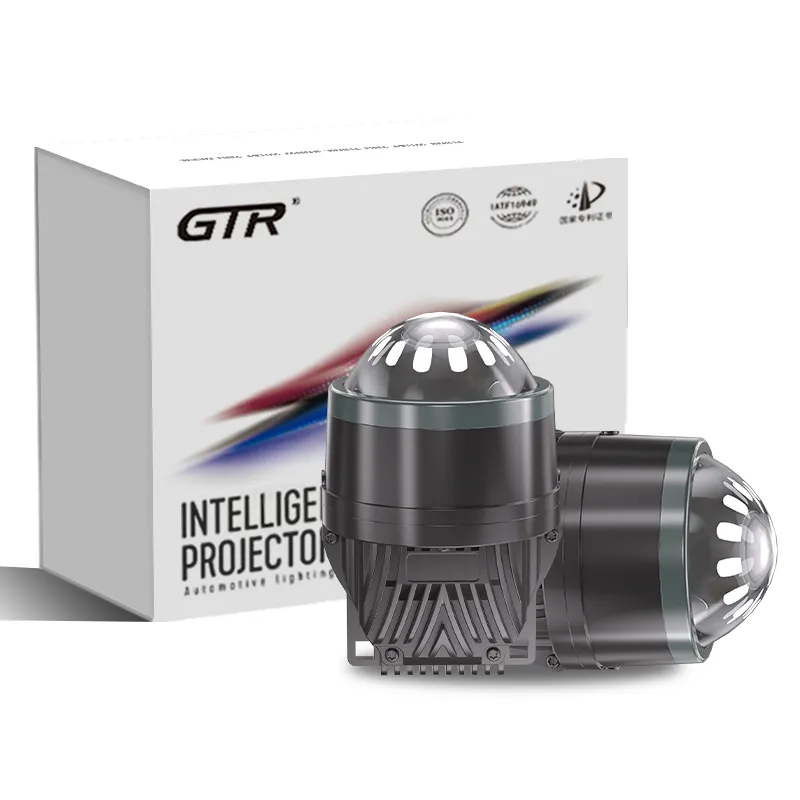
1. Fog Light Basics: What They Are and What They Do
Fog lights are auxiliary lights mounted low, projecting a wide, flat beam close to the ground to illuminate the road surface below the fog. They are not designed to shine far ahead like headlights. Their job is to help you see lane markings, road edges, and hazards immediately ahead when visibility is limited.
The main difference between fog lights and headlights lies in their mounting position and beam pattern. Headlights are mounted higher and shine forward. Fog lights are mounted low on the bumper and project a beam that sits below the fog, reducing backscatter and glare.
Understanding this fundamental difference is the first step to choosing the right fog light upgrade. If you buy a bulb that produces the wrong beam pattern, no amount of brightness can compensate.
2. Compare bulb types: LED, Halogen and HID
The three main technologies for fog lights each have their own advantages and trade-offs. Here is a comparison of them:
| Tính năng | LED | Halogen | HID |
|---|---|---|---|
| Brightness (Lumens) | 3,000 – 4,000+ per bulb | 1,000 – 1,500 per bulb | 2,500 – 3,500 per bulb |
| Power consumption | Very low (12-20W) | High (55W+) | Medium (35W) |
| Tuổi thọ | 30,000+ hours | 350 – 1,000 hours | 2,000 – 3,000 hours |
| Heat output | Thấp | Cao | Trung bình |
| Installation | Plug and play | Plug and play | Cần chấn lưu |
| Chi phí | High initial cost, low long-term cost | Low initial cost, frequent replacement | Fairly average |
| Best suited for | Most drivers in 2026 | Limited budget, infrequent use | High-power applications |
2.1. LED Fog Lights: The Clear Choice for Most Drivers
LED bulbs are the top choice for most drivers in 2026. They offer superior brightness, longer lifespan, and lower power consumption than any alternative. A typical LED fog light produces 3,000 to 4,000 lumens per bulb – more than twice what halogen can achieve.
But brightness isn't everything. Beam quality matters just as much. Cheap LED bulbs often scatter light in all directions, creating glare for oncoming traffic and reducing your own visibility. Premium LEDs like those from GTR use advanced optics to focus the beam exactly where needed – low and wide.
LEDs also run cooler than halogens, meaning less heat damage to your fog light housing over time. And with a lifespan of 30,000 hours or more, you'll likely never need to replace them again.
2.2. Halogen Fog Lights: The Budget Option
Halogen bulbs are the cheapest upfront. They produce a warm yellow light that many drivers find comfortable. However, the low initial cost is deceptive. Halogen bulbs degrade quickly, losing brightness within the first year and requiring frequent replacement.
Halogen system fog light also consume more power – typically 55 watts per bulb – putting additional strain on the vehicle's electrical system. And the heat they generate can damage plastic housings over time.
If you drive in fog only once or twice a year and want to save money, halogen may be sufficient. But for frequent use, the math doesn't work in your favor.
2.3. HID Fog Lights: The Professional Choice
HID (High-Intensity Discharge) bulbs produce very bright light and come in a range of color temperatures. They are more efficient than halogen and brighter than most LEDs. However, HID requires ballasts to operate, which increases complexity and installation cost.
HID bulbs also take a few seconds to reach full brightness, which can be problematic in sudden fog. And like halogen, they generate significant heat. For most drivers, LED offers better overall value and performance.
3. Color Temperature: White vs. Yellow Fog Lights
One of the most common questions we receive is whether to choose white or yellow bulbs fog light . The answer depends on your driving conditions.
Yellow light (3000K) reduces glare and backscatter in fog, rain, and snow. It improves contrast on wet roads and reduces eye strain during long drives in bad weather. If you frequently drive in foggy or rainy conditions, yellow is the better choice.
White light (5000K-6000K) looks modern and matches well with LED headlights. But in dense fog or heavy rain, cooler white light creates more backscatter and feels less contrasty compared to yellow.
For most drivers, warm white 4300K offers the best compromise – better fog penetration than pure white without the deep yellow tint.
4. Beam Pattern: The Most Overlooked Factor
This is what most fog light buying guides don't tell you. Beam pattern matters more than brightness. A 4,000-lumen bulb with a poorly designed beam will perform worse than a 2,000-lumen bulb with a precisely engineered beam pattern.
Proper fog lights produce a beam that is wide horizontally and narrow vertically. This pattern illuminates the road surface near the vehicle without projecting light upward into the fog. The beam must have a sharp horizontal cutoff to minimize light above the cut-off plane.
When buying fog light upgrades, look for bulbs with specifications about beam pattern and optical design. Avoid products that only advertise lumens without discussing how the light is directed.
5. SAE Standards: What They Mean for You
The Society of Automotive Engineers (SAE) has established standards for fog light performance. SAE J583 covers fog light requirements, including beam pattern, brightness, and durability testing.
Products that meet SAE standards have been tested for proper beam pattern and reduced glare. When comparing fog light options, look for SAE compliance as a sign of quality. GTR fog lights are designed to meet or exceed these standards, ensuring you get a product that performs as promised.
6. Installation Considerations
Before purchasing any fog light upgrades, verify your vehicle's bulb size and socket type. Common sizes include H11, H16, H8, 5202, 9145, and 9009. Check your owner's manual or use a bulb finder tool to confirm compatibility.
LED fog lights are typically plug-and-play replacements for original bulbs. No additional wiring or modifications are needed in most cases. However, some vehicles may require CAN-bus adapters to prevent error messages.
If you are installing fog lights on a vehicle that didn't come with them from the factory, you will need a complete kit including lights, switch, relay, and wiring harness. Always refer to the fog light wiring diagram specific to your vehicle to ensure safe installation.
7. Aiming Your Fog Lights Properly
Even the most fog light The best bulb will also perform poorly if not properly aligned. Proper alignment ensures a low, wide beam that illuminates the road surface without creating glare.
To align your fog lights, park on a level surface about 5 meters from a wall. The top of the fog light beam should be below the center of the headlight. If the beam is higher, you will create glare for oncoming vehicles and reduce your own visibility.
8. Frequently Asked Questions About Fog Light Upgrades
8.1. How many lumens do I need for fog lights?
For fog lights, 3,000 to 4,000 lumens per bulb is the optimal range for most vehicles. This provides sufficient brightness without excessive glare. Higher lumens may be suitable for off-road use, but for street driving, beam pattern matters more than raw brightness.
8.2. What is the fog light symbol on my dashboard?
The front fog light symbol shows a lamp pointing left with diagonal lines through a wavy line, usually green. The rear fog light symbol points right with horizontal lines through the wavy line, usually amber.
8.3. What is the difference between fog lights and headlights?
Fog lights produce a wide, short beam close to the ground. Headlights produce a narrow, long-range beam to illuminate distance. Fog requires a wide beam pattern; headlights are for seeing far in clear conditions.
8.4. Can I use fog lights as daytime running lights?
Some vehicles use fog lights as DRLs, but that is not their primary function. Using fog lights in clear conditions can dazzle other drivers and may be prohibited in some areas.
8.5. How long do LED fog light bulbs last?
Quality LED fog light bulbs can last 30,000 hours or more. This means you will likely never need to replace them during the life of your vehicle.
8.6. Do I need to upgrade the wiring for LED fog lights?
In most cases, no. LED fog lights consume less electricity than halogen, so they do not require a wiring system upgrade. However, always check your vehicle's specifications and consult with fog light wiring diagram if you are not sure.
8.7. What color is best for fog lights?
For maximum fog penetration, choose 3000K yellow or 4300K warm white. For a modern look that still performs well in fog, 5000K white is acceptable.
9. Why GTR Should Be Your First Choice
After years of testing and manufacturing fog light systems, we at GTR have developed a deep understanding of what truly works on the road. Our CSP Mini LED bulbs deliver twice the light of halogen while using only one-third the power. They are designed to mimic the size and shape of your original bulbs for a perfect fit.
But what really sets GTR apart is our commitment to beam quality. We don't just throw bright LEDs into a housing and call it done. Our bulbs use advanced multi-core chip technology to create a super-focused beam that sits low and wide, right where it's needed.
Every GTR fog light product comes with a two-year warranty. We stand behind our engineering because we know it works.
10. Your Next Step
Now you have the knowledge to make an informed fog light purchase. You understand the differences between LED, halogen, and HID. You know why color temperature and beam pattern matter. And you've seen why GTR is the preferred choice of drivers who don't compromise on safety.
The only question left is: are you ready to upgrade? Visit https://www.rhgtr.com to explore GTR's full line of fog light solutions. Find the perfect fit for your vehicle. And experience the difference that proper fog lights make.