
Khi đứng trước kệ phụ tùng ô tô — hay lướt qua vô số trang sản phẩm — bạn có thể cảm thấy choáng ngợp trước quá nhiều lựa chọn về đèn pha chiếu gần. Halogen, LED, HID. Kích thước bóng đèn khác nhau, nhiệt độ màu khác nhau, mức giá cũng khác nhau. Và thương hiệu nào cũng tự nhận là tốt nhất.
Đèn pha chiếu gần phải đủ sáng để quan sát được ít nhất 150 feet phía trước nhằm đáp ứng các tiêu chuẩn an toàn liên bang — nhưng những hệ thống tốt nhất có thể chiếu sáng xa hơn mức đó rất nhiều, giúp bạn có thêm những giây quý giá để phản ứng kịp thời.
Hướng dẫn này sẽ giúp bạn loại bỏ những thông tin quảng cáo rườm rà. Chúng tôi sẽ so sánh tất cả các công nghệ chính, làm rõ ý nghĩa thực sự của các thông số kỹ thuật, đồng thời cung cấp cho bạn cơ sở tham khảo để lựa chọn đèn pha chiếu gần phù hợp với xe của bạn và điều kiện lái xe.
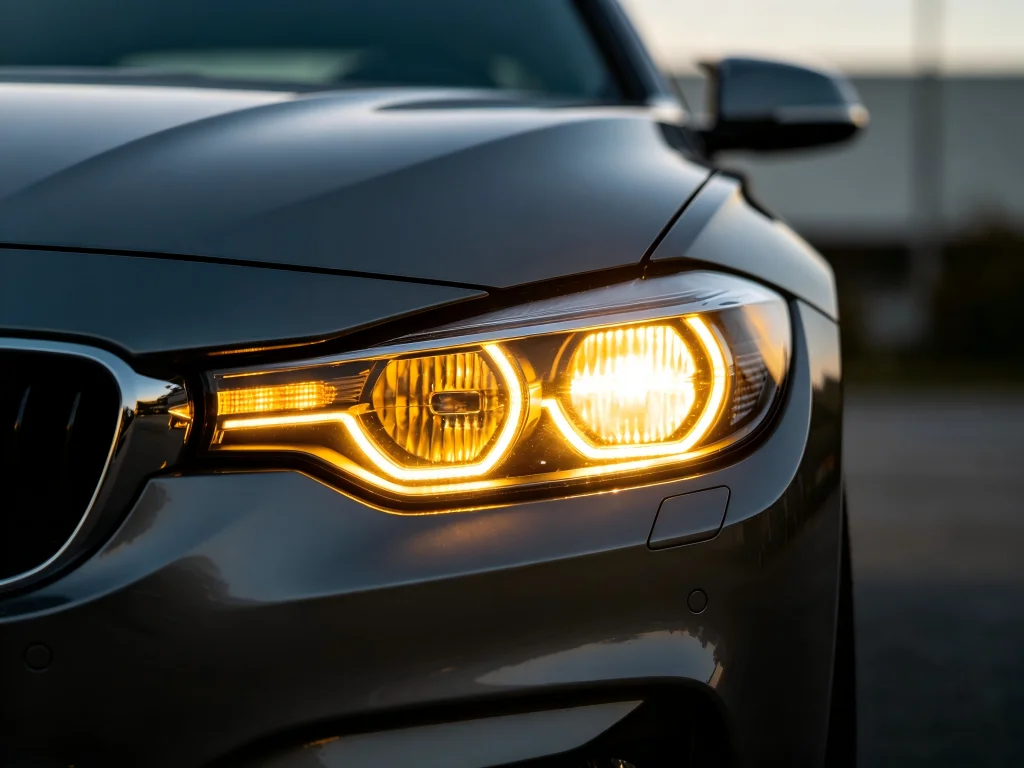
1. Hiểu rõ chức năng thực sự của đèn pha chiếu gần
Đèn pha chiếu gần — còn được gọi là đèn pha chiếu thấp — là nguồn chiếu sáng chính của bạn vào ban đêm. Khác với đèn pha chiếu xa, vốn chiếu ánh sáng thẳng về phía trước để đạt khoảng cách tối đa, đèn pha chiếu gần được thiết kế để chiếu xuống phía dưới. Thiết kế này phục vụ hai mục đích quan trọng: chiếu sáng đoạn đường ngay trước xe của bạn và tránh làm chói mắt các phương tiện đang đi ngược chiều.
Đèn pha chiếu gần phát huy hiệu quả đối với các phương tiện di chuyển ở tốc độ khoảng 35–45 mph trong điều kiện lý tưởng. Nếu vượt quá tốc độ này, ngay cả đèn pha chiếu gần tốt nhất cũng có thể không đảm bảo đủ khoảng cách phanh — đó là lý do tại sao bạn cần chùm sáng mạnh nhất và tập trung nhất có thể.
Khoảng cách chiếu sáng của đèn pha chiếu gần mà bạn có thể mong đợi sẽ khác nhau tùy theo công nghệ:
| Công nghệ | Phạm vi điển hình | Lumen (Giá trị điển hình) | Tuổi thọ |
|---|---|---|---|
| Halogen | ~300 ft | 700-1,200 | 500–1.000 giờ |
| HID (Xenon) | ~400 ft | 2,500-3,500 | 2.000–3.000 giờ |
| LED (Cao cấp) | ~450+ ft | 3,000-4,700+ | Hơn 30.000 giờ |
Công nghệ LED, như dòng sản phẩm Ultra 3 của GTR, mang lại công suất lên đến 4.700 lumen cùng khả năng điều khiển chùm sáng chính xác, giúp ánh sáng chiếu đúng vào nơi bạn cần — trên đường, chứ không chiếu thẳng vào mắt các tài xế đang đi ngược chiều.
2. Ba công nghệ: So sánh trực tiếp
2.1. Halogen: Tiêu chuẩn cũ
Bóng đèn halogen đã trở thành lựa chọn phổ biến trong nhiều thập kỷ qua. Chúng rẻ tiền và quen thuộc. Tuy nhiên, những hạn chế của chúng là đáng kể. Đèn pha halogen thường chỉ chiếu sáng được khoảng 300 feet — và đó là khi chúng còn mới. Khi tuổi thọ tăng lên, cường độ ánh sáng giảm sút đáng kể. Dây tóc rất dễ gãy và thường xuyên bị cháy. Hơn nữa, ánh sáng mà chúng phát ra có màu vàng và kém hiệu quả.
Tóm lại: Đèn halogen là lựa chọn rẻ nhất ban đầu nhưng lại tốn kém nhất về lâu dài. Bạn sẽ phải thay bóng đèn thường xuyên, và mỗi đêm khi lái xe, bạn đang đánh đổi sự an toàn.
2.2. HID (Xenon): Công nghệ chuyển tiếp
Đèn phóng điện cường độ cao (HID) tạo ra ánh sáng sáng hơn và trắng hơn so với đèn halogen. Chúng có thể chiếu sáng ở khoảng cách lên đến 400 feet. Tuy nhiên, chúng có những nhược điểm đáng kể: mất thời gian để đạt độ sáng tối đa, cần sử dụng bộ ổn áp phức tạp và chi phí thay thế cao hơn. Việc chuyển đổi từ đèn halogen sang đèn HID cũng phức tạp hơn so với việc chuyển sang đèn LED.
Tóm lại: Cách đây một thập kỷ, công nghệ HID đã là một bước tiến đáng kể so với đèn halogen. Ngày nay, đèn LED đã vượt trội hơn đèn halogen trên mọi tiêu chí quan trọng.
2.3. Đèn LED: Người chiến thắng rõ ràng
Công nghệ đi-ốt phát quang (LED) đại diện cho trình độ kỹ thuật tiên tiến nhất hiện nay. Đèn LED có kích thước nhỏ gọn hơn, hiệu quả hơn và bền bỉ hơn so với bất kỳ giải pháp thay thế nào. Chúng tiết kiệm năng lượng hơn khoảng 80% so với đèn halogen và có tuổi thọ cao hơn gấp nhiều lần.
Tuy nhiên, ưu điểm thực sự là kiểm soát. Các kỹ sư có thể thiết kế các mẫu chùm sáng chính xác bằng đèn LED — hướng ánh sáng chính xác đến nơi cần thiết và cắt đứt ánh sáng một cách dứt khoát để tránh hiện tượng chói mắt. Đây chính là lý do tại sao bộ vi mạch TST 7045 tùy chỉnh của GTR lại mang lại hiệu suất vượt trội đến vậy.
Tóm lại: Đèn LED là công nghệ tốt nhất hiện nay. Chi phí ban đầu cao hơn sẽ được bù đắp xứng đáng nhờ tuổi thọ dài hơn, hiệu suất cao hơn và mức tiêu thụ năng lượng thấp hơn.
3. Ý nghĩa thực sự của các thông số kỹ thuật (và những điều nên bỏ qua)
Mua hàng mà không tìm hiểu kỹ có thể khiến bạn phải trả giá đắt. Dưới đây là những điều quan trọng — và những điều không quan trọng.
3.1. Lumen và Lux: Sự khác biệt quan trọng
Hầu hết các nhà sản xuất đều quảng cáo chỉ số lumen — tức là tổng lượng ánh sáng phát ra. Tuy nhiên, lux đo cường độ ánh sáng trên một bề mặt cụ thể. Một bóng đèn có thể tạo ra lượng lumen cao nhưng lại phân tán ánh sáng khắp nơi, dẫn đến lãng phí. Điều quan trọng là lux có thể sử dụng—ánh sáng chiếu rọi vào đoạn đường mà bạn cần.
Đèn chiếu gần GTR Carbide tạo ra cường độ ánh sáng hữu dụng 640 lux — so với chỉ 100 lux từ hệ thống tiêu chuẩn. Đây là sự cải thiện đáng kể về ánh sáng hữu dụng, chứ không chỉ đơn thuần là độ sáng (lumen) thô.
3.2. Nhiệt độ màu: Ấm so với Lạnh
Nhiệt độ màu được đo bằng đơn vị Kelvin (K). Các giá trị thấp hơn (3000K–4000K) có màu vàng. Các giá trị cao hơn (5000K–6000K) có màu trắng hoặc trắng xanh. Hầu hết các tài xế ưa chuộng dải nhiệt độ 5000K–6000K vì mang lại tầm nhìn tốt nhất và ít gây mỏi mắt nhất.
3.3. Hình dạng chùm tia: Biến ẩn
Hình dạng chùm tia là yếu tố quyết định nơi Ánh sáng chiếu ra xa. Đường cắt sáng rõ ràng giúp ngăn chặn hiện tượng chói mắt cho các tài xế đi ngược chiều. Góc chiếu rộng giúp chiếu sáng hai bên đường, nơi người đi bộ và động vật có thể xuất hiện. Các hệ thống đèn LED tốt nhất — như của GTR — tái tạo được kiểu chiếu sáng của đèn halogen nguyên bản đồng thời cải thiện đáng kể độ sáng và độ tập trung của chùm sáng.
Nếu góc chiếu đèn không đúng, thì dù độ sáng có cao đến đâu cũng vô ích. Bạn sẽ làm chói mắt các tài xế khác hoặc không thể nhìn thấy những gì phía trước.
4. Khả năng tương thích: Tiêu chí sàng lọc đầu tiên
Trước khi xem xét bất kỳ yếu tố nào khác, hãy kiểm tra tính tương thích. Xe của bạn sử dụng các loại bóng đèn cụ thể: H11, 9005, 9006, H4 và các loại khác. Hãy tham khảo sách hướng dẫn sử dụng hoặc tra cứu thông tin về xe của bạn trên mạng. Tính tương thích với hệ thống CANBUS cũng có thể là yêu cầu cần thiết để tránh xuất hiện mã lỗi trên bảng điều khiển.
GTR Lighting cung cấp đèn pha LED cho hầu hết các mẫu xe phổ biến, với thiết kế cắm và chạy (plug-and-play) mà không cần phải chỉnh sửa thêm gì cả.
5. Năm câu hỏi mà bất kỳ người mua nào cũng phải đặt ra
- Thiết bị này tạo ra bao nhiêu ánh sáng hữu ích? Đừng quan tâm đến giá trị lumen thô. Hãy hỏi về độ sáng (lux) và chất lượng chùm sáng.
- Nó sẽ kéo dài bao lâu? Một chiếc bóng đèn giá rẻ mà chỉ dùng được 6 tháng rồi hỏng thì không phải là món hời. Đèn LED chất lượng có tuổi thọ cao hơn cả chiếc xe.
- Nó có đáp ứng các tiêu chuẩn an toàn không? Hãy kiểm tra xem sản phẩm có được chứng nhận DOT hay không. Các bóng đèn không được chứng nhận có thể là bất hợp pháp và nguy hiểm.
- Hình dạng của chùm tia như thế nào? Nó có tái tạo được kiểu chiếu sáng tiêu chuẩn với đường cắt rõ rệt không? Hay nó sẽ làm ánh sáng tỏa ra và gây chói mắt cho các tài xế khác?
- Các chủ sở hữu thực tế nói gì? Những lời quảng cáo chỉ là chiêu trò rẻ tiền. Chỉ có những đánh giá từ thực tế mới phản ánh được sự thật.
6. Những điều thị trường không nói với bạn
Đây là một sự thật khó chấp nhận: nhiều loại đèn pha lắp thêm trên thị trường có thiết kế kém. Chúng phát ra ánh sáng chói lóa lan tỏa khắp nơi, gây chói mắt nguy hiểm cho các tài xế đi ngược chiều trong khi lại không chiếu sáng được đoạn đường phía trước. Liên minh Châu Âu (EU) và Canada đã chuyển sang sử dụng công nghệ Adaptive Driving Beam (ADB) — hệ thống đèn pha thông minh có khả năng điều chỉnh tự động — nhưng công nghệ này vẫn bị cấm tại Mỹ.
Cho đến khi công nghệ ADB được áp dụng, lựa chọn tốt nhất dành cho bạn là một hệ thống đèn LED chất lượng cao với khả năng điều chỉnh chùm sáng chính xác. Sự rực rỡ mà không được kiểm soát còn tệ hơn cả sự vô dụng — nó còn nguy hiểm nữa.
7. Ưu điểm của GTR: Tại sao chúng tôi lại dẫn đầu phân khúc này
GTR Lighting không chỉ là một thương hiệu bình thường trên kệ hàng. Chúng tôi thiết kế và phát triển đèn pha LED của mình từ đầu với một ưu tiên hàng đầu: mang ánh sáng hữu ích đến đúng nơi bạn cần trên đường.
- Bộ vi mạch TST 7045 được tùy chỉnh: Được thiết kế chuyên biệt nhằm tối ưu hóa khả năng kiểm soát chùm sáng và giảm hiện tượng chói
- Công suất phát sáng 4700 lumen: Nằm trong số những sản phẩm xuất sắc nhất trong phân khúc này
- 540% – nhiều ánh sáng hữu ích hơn: 640 lux so với 100 lux của các hệ thống tiêu chuẩn
- Cài đặt theo kiểu “cắm là chạy”: Hầu hết các loại xe không cần phải điều chỉnh gì cả
- Tuân thủ tiêu chuẩn DOT: Tuân thủ đầy đủ các tiêu chuẩn an toàn của liên bang
- Được thiết kế để có độ bền cao: Công nghệ LED không có dây tóc dễ vỡ nên không bị hỏng
Các đánh giá độc lập đã xác nhận sự khác biệt này. Một chuyên gia thử nghiệm nhận xét rằng đèn LED GTR Carbide mang lại “độ phủ ánh sáng đồng đều hơn trên toàn bộ chiều rộng của chùm sáng và vùng sáng tập trung rõ nét hơn” so với các sản phẩm cạnh tranh. Đó không phải là chiêu trò tiếp thị — đó là thành quả của kỹ thuật.
8. Góc nhìn từ thực tế: Những chia sẻ của các tài xế
“Tôi đã lắp những chiếc đèn này vào chiếc Jeep của mình và độ sáng của chúng thật đáng kinh ngạc, vượt trội hơn hẳn so với SilverStar Ultras hay Philips Crystal Vision Ultra.” — Khách hàng của GTR
“Những chiếc đèn này thật hoàn hảo và cực kỳ sáng, đúng như họ đã hứa. Tôi hoàn toàn khuyên mọi người nên mua chúng.” — Người mua đã được xác minh
“Ánh sáng rất sáng, dịu nhẹ và các góc chiếu đã được cài đặt sẵn nên tôi không cần phải điều chỉnh bóng đèn chút nào.” — Khách hàng của GTR
Đây không phải là những lời chứng thực được chọn lọc kỹ lưỡng. Đây là những phản hồi nhất quán mà chúng tôi nhận được từ các tài xế đã chuyển sang sử dụng dịch vụ và trực tiếp trải nghiệm sự khác biệt.
9. Khung quyết định của bạn
Dưới đây là cách giúp bạn chọn được loại đèn pha chiếu gần phù hợp với mình:
- Nếu bạn chủ yếu lái xe trong các thành phố có hệ thống chiếu sáng tốt và hiếm khi lái xe vào ban đêm: Đèn halogen có thể đủ dùng, nhưng bạn vẫn đang đánh đổi sự an toàn.
- Nếu bạn muốn một bản nâng cấp xứng đáng mà không phải chi trả thêm khoản phí cao: Công nghệ HID mang lại những cải tiến so với đèn halogen nhưng đi kèm với sự phức tạp.
- Nếu bạn thường xuyên lái xe vào ban đêm, trên đường cao tốc hoặc ở các khu vực nông thôn: Đèn LED là lựa chọn hợp lý duy nhất. Chỉ riêng những lợi ích về mặt an toàn cũng đã đủ để chứng minh sự cần thiết của khoản đầu tư này.
- Nếu bạn muốn đạt được hiệu suất và độ tin cậy tuyệt đối: Đèn pha LED GTR Lighting được thiết kế để vượt qua mọi tiêu chuẩn.
Đèn pha chiếu gần khi lái xe trong sương mù, mưa và tuyết đòi hỏi sự chính xác — không chỉ đơn thuần là độ sáng. Trong những điều kiện này, chùm sáng tập trung của GTR giúp ánh sáng chiếu thẳng xuống đường, không bị phản xạ trở lại vào mắt bạn.
10. Quyết định đầu tư: Thực ra bạn đang mua gì?
Khi bạn mua đèn LED chiếu gần cao cấp, bạn không chỉ đơn thuần mua một chiếc bóng đèn. Bạn đang mua:
- An toàn: Khả năng nhận diện các mối nguy hiểm trước khi chúng trở thành tình huống khẩn cấp
- Độ tin cậy: Không xảy ra sự cố bất ngờ trên những con đường tối
- Sự an tâm: Niềm tin rằng hệ thống chiếu sáng của bạn sẽ không gặp sự cố vào đúng lúc bạn cần nó nhất
- Giá trị lâu dài: Thời gian sử dụng so với số tháng sử dụng đèn halogen
Theo số liệu của IIHS, hiện có 511 hệ thống đèn pha TP3T trên các mẫu xe mới đạt xếp hạng “Tốt” — tăng đáng kể so với những năm trước. Ngành công nghiệp ô tô đang hướng tới các hệ thống chiếu sáng tốt hơn. Đừng để chiếc xe của bạn bị tụt hậu.
11. Bước tiếp theo của bạn
Nghiên cứu đã hoàn tất. Việc so sánh đã xong. Giờ là lúc hành động.
Truy cập https://www.rhgtr.com để tìm đèn pha LED chiếu gần GTR phù hợp với xe của bạn. Hãy tham khảo thông số kỹ thuật, đọc các đánh giá và trải nghiệm sự khác biệt mà hệ thống chiếu sáng được thiết kế chính xác mang lại.
Đèn pha chiếu gần chính là hàng phòng thủ đầu tiên của bạn trên đường. Hãy đảm bảo rằng chúng là phương án phòng thủ tốt nhất có thể.
12. Các câu hỏi thường gặp về đèn pha chiếu gần
Đèn pha chiếu gần nên chiếu xa đến mức nào?
Đèn pha chiếu gần thường chiếu sáng được khoảng 150 đến 200 feet phía trước — tương đương khoảng nửa dãy nhà trong thành phố. Các quy định của liên bang yêu cầu khoảng cách chiếu sáng tối thiểu là 150 feet. Các hệ thống đèn LED cao cấp có thể đạt hiệu quả chiếu sáng vượt quá 450 feet.
Sự khác biệt giữa đèn pha chiếu gần và đèn pha chiếu xa là gì?
Đèn chiếu gần chiếu xuống dưới để chiếu sáng mặt đường mà không làm chói mắt các phương tiện đang đi ngược chiều. Đèn pha chiếu ánh sáng thẳng về phía trước để đạt khoảng cách chiếu xa nhất, nhưng phải giảm độ sáng khi có phương tiện khác đang tiến lại gần. Biểu tượng đèn cốt thể hiện các tia sáng nghiêng xuống dưới; biểu tượng đèn pha thể hiện các đường thẳng.
Đèn pha LED chiếu gần có hợp pháp không?
Đúng vậy, miễn là được thiết kế đúng cách và được Bộ Giao thông Vận tải (DOT) chứng nhận. Đèn pha LED GTR đáp ứng đầy đủ các tiêu chuẩn an toàn liên bang. Hãy tránh sử dụng các loại bóng đèn chưa được chứng nhận vì chúng có thể là hàng lậu và gây nguy hiểm.
Đèn LED chiếu gần có tuổi thọ bao lâu?
Đèn LED chất lượng cao có tuổi thọ trên 30.000 giờ — thường tương đương với tuổi thọ của một chiếc xe. So sánh con số này với 500–1.000 giờ của đèn halogen. Rất có thể bạn sẽ thay xe mới trước khi phải thay đèn LED GTR.
Sau khi lắp đèn LED, tôi có cần điều chỉnh đèn pha không?
Các hệ thống đèn LED chất lượng cao như của GTR được thiết kế để tái tạo chính xác các mẫu chùm sáng gốc của nhà sản xuất và thường không cần điều chỉnh. Tuy nhiên, việc điều chỉnh hướng chiếu đèn pha đúng cách luôn rất quan trọng — đèn chiếu sai hướng sẽ làm giảm tầm nhìn và gây chói mắt cho các tài xế khác.
Tôi có thể tự lắp đèn LED chiếu gần được không?
Hầu hết các đèn pha LED GTR đều có thiết kế “cắm là chạy” (plug-and-play) và không cần phải điều chỉnh gì cả. Quá trình lắp đặt thường mất khoảng 15–30 phút. Hãy luôn tham khảo sách hướng dẫn sử dụng của xe và làm theo các hướng dẫn đi kèm.
Tại sao một số đèn LED lại rẻ hơn nhiều so với các loại khác?
Các đèn LED giá rẻ thường sử dụng chipset chất lượng kém, tạo ra các mẫu chùm sáng không tốt, phân tán ánh sáng không hiệu quả và thiếu hệ thống tản nhiệt phù hợp. “Tiền nào của nấy”. GTR sử dụng chipset TST 7045 được thiết kế riêng, được phát triển đặc biệt để mang lại hiệu suất tối ưu.