
1. Introduction: Illuminate the Road Ahead with H11 55W LED Headlight Bulbs
Driving at night or in adverse weather conditions requires clear and reliable visibility. For years, the yellowish glow of halogen headlights has been the standard, but drivers often want more – brighter, clearer, and safer. LED technology has revolutionized automotive lighting, offering a transformative upgrade that is both powerful and practical. At the forefront of this upgrade for countless vehicles is the H11 55W LED Headlight Bulb. This specific bulb represents a direct, plug-and-play path to significantly improved road illumination, turning everyday driving into a safer and more confident experience. This article will guide you through everything you need to know about these bulbs, from their technical construction and undeniable advantages to how to choose and install the perfect set for your vehicle.
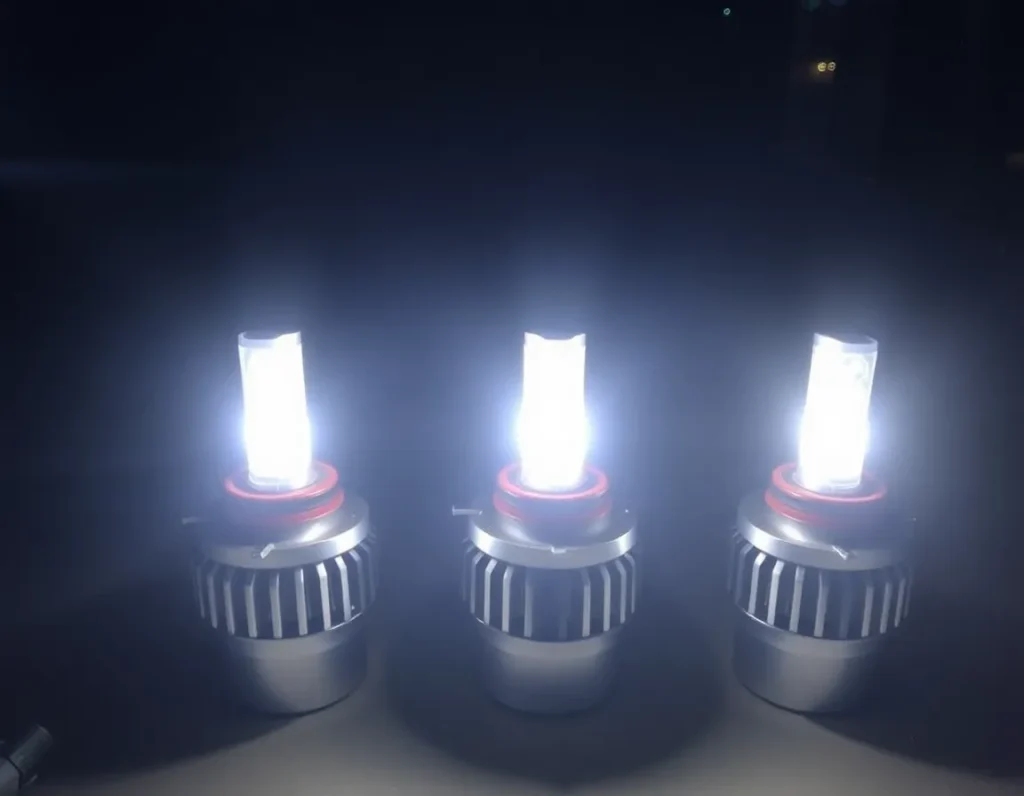
2. What is an H11 55W LED Headlight Bulb? A Technical Breakdown
The H11 55W LED headlight bulb is a modern lighting component designed to replace traditional halogen bulbs in your vehicle's headlight assembly. The 'H11' designation refers to the bulb's base type – a specific two-pin connector that ensures it fits into headlight housings designed for H11 halogen bulbs. This plug-and-play compatibility is a major feature, making the upgrade effortless without requiring modifications to your vehicle's wiring.
The '55W' indicates the bulb's power consumption in watts. Crucially, this 55W rating typically matches the wattage of the original halogen bulb it replaces (for example, a standard H11 halogen bulb is also 55W). This means the LED draws a similar amount of current from your car's system as the original bulb, preventing overload on the wiring or fuse box. However, the similarities end there. Halogen bulbs produce light by heating a filament, whereas LEDs (Light Emitting Diodes) produce light through electroluminescence when an electric current passes through a semiconductor microchip. This fundamental technological difference is the key to unlocking superior performance.
Modern H11 LED bulbs are precision components. They consist of a high-lumen LED chip (or chip array, often in a COB – chip-on-board – design) mounted on a metal heatsink. Managing heat is critical to LED lifespan; the heatsink, typically made of aluminum with cooling fins, passively draws heat away from the diode. Many bulbs also incorporate a small cooling fan for active thermal management. The light emitted by the chip is then focused through a primary lens or reflector cup, designed to mimic the filament position of the original halogen bulb, which is crucial for achieving the correct beam pattern and avoiding glare for other drivers. The entire unit is enclosed in a compact body that connects to the standard H11 base.
3. H11 55W LED vs. Halogen: A Comprehensive Performance Comparison
Comparing H11 LED bulbs to their halogen counterparts is a stark contrast across every performance metric. The upgrade is not incremental; it is transformative.
3.1. Light Output and Color
Halogen bulbs typically produce a warm yellow light in the 3000K (Kelvin) color temperature range. Their output is typically around 1,000 to 1,300 lumens. In contrast, H11 55W LED bulbs can produce 6,000 to 12,000 lumens per pair, bringing significantly more light to the road. Furthermore, LEDs offer cleaner, whiter light, usually between 6000K (pure white) and 6500K (cool white with a slight blue tint). This color temperature is closer to natural daylight, reducing eye strain and improving contrast, making it easier to discern objects, road markings, and potential hazards.
3.2. Energy Efficiency and Lifespan
This is where LED technology truly shines. While both are rated at 55W, LEDs produce significantly more light per watt (higher luminous efficacy). Halogen bulbs waste about 80% of their energy as heat. LEDs are far more efficient, converting more energy into visible light. The lifespan difference is also dramatic. A quality halogen bulb may last 450 to 1,000 hours. A well-designed H11 LED bulb can last 30,000 to 50,000 hours, effectively outlasting the vehicle in most cases.
3.3. Beam Pattern and Safety
A common concern with LED upgrades is glare. Halogen housings are designed to reflect light from a specific filament point. Quality LED bulbs have chips designed to mimic the exact filament position, paired with precisely aligned secondary optics to produce a clean, sharp cutoff line that matches or exceeds the original halogen pattern. This ensures light is projected onto the road and not into the eyes of oncoming drivers. The instant-on capability of LEDs (reaching full brightness in microseconds) also provides a significant safety advantage over halogens, which have a slight delay.
3.4. Durability and Vibration Resistance
The tungsten filament in a halogen bulb is fragile and thin, susceptible to breaking from impacts or vibrations. LEDs are solid-state devices with no moving parts or fragile components, making them inherently more resistant to the bumps and vibrations of daily driving.
4. Key Benefits of Upgrading to H11 55W LED Headlight Bulbs
Upgrading to H11 55W LED headlight bulbs enhances driving safety, comfort, and vehicle aesthetics.
- Superior Nighttime Visibility: The substantial increase in lumen output and whiter light illuminates a wider and longer area of the road, allowing you to spot details, animals, and obstacles earlier, giving you more time to react.
- Enhanced Safety: Improved visibility is the cornerstone of proactive safety. Clear white light enhances depth perception and color recognition. The instant-on feature is particularly beneficial for daytime running lights or when using headlight flashing to signal.
- Long-Term Value and Reliability: Although the initial cost is higher than halogen, the ultra-long lifespan of LEDs means you may never need to replace them. This eliminates the recurring cost and hassle of replacing bulbs, providing excellent long-term value.
- Modern Aesthetic Appeal: The bright white light makes your vehicle look more modern and premium, similar to the lighting on new luxury and high-performance cars.
- Reduced Load on the Electrical System: 高品質的 55W LED 燈泡通常比同等瓦數的鹵素燈泡消耗更少的實際電流,從而減輕車輛發電機和電池的負擔。.
- Improved Driving Comfort: The daylight-like color temperature reduces eye fatigue, keeping you alert and focused during long nighttime drives without getting tired.
5. 如何選擇最佳 H11 55W LED 燈泡:購買指南
Not all H11 LED bulbs are the same. Choosing the right pair requires attention to several key factors to ensure optimal performance, legality, and longevity.
5.1. Lumen Output and Color Temperature
Look for brands that have a good reputation and publish actual lumen ratings (8,000-12,000 lumens per pair is a good range). Be wary of exaggerated claims. For color temperature, 6000K is the best choice for most drivers, providing pure white light and excellent visibility. 6500K has a slight blue tint, while 5000K is a warmer white. Avoid extremely high Kelvin ratings (e.g., above 8000K) because they produce excessive blue light that can scatter in fog or rain and may not be legal on the road.
5.2. Thermal Management System
This is the most critical factor affecting lifespan. Look for bulbs with robust heat sinks, usually made of aviation-grade aluminum alloy, and equipped with large cooling fins. Many high-performance bulbs combine quiet, high-speed fans (fan cooling) or advanced copper-strip passive systems or liquid cooling. Effective heat dissipation prevents LED chips from overheating and premature aging.
5.3. Chip Technology and Beam Pattern
Bulbs using top-tier LED chips (such as Philips Lumileds, CREE, or OSRAM) generally offer better performance and consistency. The key is that the bulb design must focus the light correctly. Look for models that boast 'perfect beam pattern,' 'CANbus ready,' or 'error-free' operation. Some models come with rotatable bases or adjustable locking rings to fine-tune the chip orientation in your specific housing for the sharpest cutoff line.
5.4. Build Quality and Warranty
Inspect product images to ensure solid construction. The housing should be sturdy, and all connections should be secure. A longer warranty period (2-5 years) is a significant indicator of the manufacturer's confidence in their product's durability.
5.5. Canbus Compatibility
Modern vehicles with computer-controlled electrical systems (CANbus) may interpret the low power consumption of LEDs as a 'bulb failure' error, causing flickering or dashboard warnings. Ensure the bulbs are 'CANbus ready' or include built-in decoders/resistors to prevent these issues.
6. Step-by-Step Guide to Installing H11 55W LED Headlight Bulbs
Installing H11 LED bulbs is typically a straightforward DIY project. Always consult your vehicle's owner's manual for specific instructions regarding headlight access.
Tools and Materials Needed: New H11 55W LED bulb kit, clean gloves (optional, to prevent skin oils from contacting the bulb housing), and a screwdriver or socket set (if needed).
- Preparation: Park your vehicle on a level surface, turn off the engine, and engage the parking brake. Open the hood and locate the back of the headlight assembly. If the headlights were recently on, allow the existing halogen bulbs to cool completely.
- Accessing the Headlight Assembly: Remove the dust cover or access panel behind the headlight. This is typically a rubber or plastic cap that twists off or pulls away. For some vehicles, you may need to remove the battery or washer fluid reservoir for easier access.
- Remove the old halogen bulb: Press the clip and pull it straight out to disconnect the power connector. Then, release the bulb retaining spring or clip (usually a wire clip that unlocks by squeezing or pressing). Carefully remove the old H11 halogen bulb without touching the glass. Set it aside.
- Install the new LED bulb: Important: Hold the new LED bulb by its base or heat sink, avoiding the plastic lens and cooling fan. Insert the LED bulb into the headlight socket, ensuring the tabs align correctly. Secure it with the original retaining clip or spring until it locks firmly into place.
- Orientation and cable management: Many LED bulbs need to be rotated within the base so that the LED chips are positioned horizontally (typically at 3 and 9 o'clock) to produce the correct beam pattern. Refer to the bulb's instructions. Tuck any driver boxes or excess wiring neatly into the headlight cavity, ensuring they do not interfere with the cooling fan or moving parts.
- Reconnect and test: Reconnect the power connector to the LED bulb. Before replacing the dust cover, turn on the headlights to test low and high beams (if applicable). Verify that the bulb operates correctly and that the beam pattern is correct. Check the dashboard for any error messages.
- Complete the installation: Once confirmed to be working, carefully place all wiring inside the headlight assembly and reseal with the dust cover. Ensure the cover fits snugly to prevent moisture ingress. Repeat the process for the other headlight.
- Aim the headlights (critical step): LED bulbs can sometimes alter the headlight's beam angle. For safety and legality, it is strongly recommended to have the headlights adjusted by a professional after installation, or to adjust them yourself against a flat wall in the dark according to your vehicle's manual.
7. Common Issues and Troubleshooting for H11 LED Installation
Even with careful installation, you may encounter minor issues when upgrading to H11 55W LED headlight bulbs. Understanding these common problems and their solutions will ensure your upgrade provides seamless, long-lasting performance.
7.1. 閃爍或超閃
這是最常見的問題之一。當車輛的電氣系統預期鹵素燈絲的較高電阻時,會將 LED 的低功率消耗解讀為「燈泡燒毀」,從而發生閃爍。對於使用 H11 燈泡作為前轉向燈的車輛,超閃(快速轉向信號閃爍)是相關問題。解決方案通常是 CANbus 解碼器或錯誤代碼消除器。這個小型裝置有時整合在燈泡的線路中,會向電路添加模擬負載,欺騙汽車電腦以為仍安裝了鹵素燈泡。確保解碼器與您的特定車型和燈泡類型相容。.
7.2. 燈泡無法開啟或間歇性運作
如果一個或兩個燈泡無法點亮,首先請仔細檢查 LED 燈泡是否完全就位並鎖定在 H11 插座中。LED 燈泡的極性至關重要;與鹵素燈不同,它們只有在正負極線正確連接時才能工作。如果燈泡不亮,請嘗試在插座中旋轉 180 度並重新連接。同時,檢查 OEM 連接器和線路是否有任何損壞或腐蝕。驅動器盒或燈泡與底座之間的連接鬆動也可能導致間歇性故障。.
7.3. 過熱或風扇噪音
雖然 LED 的運行溫度比鹵素燈低,但它們產生的熱量集中在燈泡底座。內建冷卻風扇或被動散熱器對於管理這些熱量至關重要。如果您聽到響亮或嘎嘎作響的風扇噪音,可能表示風扇故障或受阻。確保風扇在頭燈外殼內有足夠的間隙,且沒有線路接觸風扇葉片。風扇停止運轉將導致 LED 快速劣化和故障。對於散熱器型號,請確認散熱鰭片沒有緊貼任何可能熔化的塑膠部件。.
7.4. 光束模式不佳或眩光
散射或聚焦不當的光束圖案(通常會對對向駕駛造成眩光)通常不是燈泡故障,而是安裝或相容性問題。LED 晶片必須精確對齊以模擬鹵素燈絲的位置。許多 H11 LED 燈泡設計為可在插座內旋轉,以達到正確的「時鐘」方向,使 LED 晶片位於 3 點和 9 點鐘位置。請參閱燈泡手冊以了解正確方向。如果方向正確且眩光仍然存在,則燈泡設計可能不適合您的特定頭燈外殼反射器或投射碗。在這種情況下,專業調整不僅是建議,更是減少危險眩光所必需的。.
7.5. 儀表板錯誤訊息
配備燈泡故障警告系統的現代車輛通常會在儀表板上顯示訊息。與閃爍一樣,這是由於電流消耗較低所致。高品質的 CANbus 相容燈泡或單獨的解碼器/電阻器套件是標準解決方案。解決這些錯誤非常重要,因為持續的警告燈可能會掩蓋其他車輛系統警報。.
8. 售後市場 LED 車頭燈的法律與安全考量
升級照明需要對其他道路使用者負責。雖然 H11 55W LED 頭燈燈泡 可以顯著改善您的能見度,但必須以合法且安全的方式使用,以避免造成新的危險。.
8.1. 瞭解 DOT/SAE 和 ECE 法規
In the United States, the Department of Transportation (DOT) and the Society of Automotive Engineers (SAE) set standards for headlight performance. Markings labeled "DOT certified" or "SAE certified" indicate that the bulb meets specific requirements for beam pattern, brightness, and color. However, it is important to know that compliance is often self-certified by the manufacturer. In Europe and many other regions, the regulations of the United Nations Economic Commission for Europe (ECE) are the standard, indicated by the "E-mark" on the bulb. The strictest standard is usually ECE R128, which certifies the entire "light source unit" (bulb and housing together). Aftermarket LED bulbs retrofitted into halogen housings rarely, if ever, carry true ECE R128 certification.
8.2. Key Issues in Headlight Housing Design
Legality and safety depend not only on the bulb but also on its interaction with the headlight housing. Halogen housings are designed for a specific focal point (the position of the halogen filament) to project light through the reflector or lens in a controlled, non-glaring beam pattern. LED bulbs have different physical shapes and light emission patterns, which almost always alter this focal point. This can lead to "hotspots," dark spots, and excessive scatter that dazzles other drivers, even if the beam appears correct from the driver's seat. Many jurisdictions have laws explicitly prohibiting the installation of any light source not originally designed for the housing, making most LED retrofits into halogen housings technically illegal, regardless of bulb markings.
8.3. Reducing Glare and Ensuring Proper Aiming
Your most important safety responsibility is to prevent glare. After installing LED bulbs, having a professional aim your headlights is essential. A qualified technician can adjust the vertical and horizontal aim, ensuring the cutoff line is sharp and correctly positioned, directing most of the increased light onto the road rather than into other drivers' eyes. Regularly check your aim, especially after carrying heavy loads or after suspension repairs. If you are frequently flashed by oncoming traffic, your headlights may be misaligned, or the bulb/housing combination may be inherently defective.
8.4. State and Local Vehicle Regulations
Laws vary widely. Some states explicitly prohibit the use of blue or certain colored headlights (often restricting color temperature to the white/yellow spectrum, generally below 6000K). Other states prohibit any modification that alters the original design of the lighting device. It is your responsibility to check local vehicle regulations. Law enforcement may issue citations for non-compliant lighting equipment, and in the event of an accident, non-compliant modifications could affect insurance liability.
9. Maintenance and Care Tips for H11 55W LED Bulbs
LED headlight bulbs are notoriously low-maintenance, but a few simple practices can maximize their lifespan and ensure they perform at their best for years to come.
9.1. Handling and Cleaning
Always hold the LED bulb by its base or housing, and never touch the glass dome or the delicate LED chips. Skin oils can cause hotspots on the plastic lens or, in rare cases, damage the chip surface. If you need to clean the bulb lens (the part inside the headlight), use 99% isopropyl alcohol and a microfiber cloth, applying gentle pressure. Before reinstalling the bulb, ensure the bulb base and your vehicle's H11 socket are clean, dry, and free of debris to ensure a good electrical connection.
9.2. Ensuring Adequate Ventilation
The lifespan of an LED bulb is directly related to its operating temperature. The cooling system (whether fan or heatsink) must have space to operate. When installing, never force or stuff wires or driver boxes in a way that blocks airflow around the heatsink or fan intake/exhaust. Periodically check the rear of the headlight assembly to ensure the dust cover is secure but nothing is blocking the bulb's rear components.
9.3. Electrical System Health
While LEDs are less susceptible to voltage spikes than halogens, a healthy automotive electrical system is still very important. If your vehicle has had alternator or voltage regulator issues, resolve these before upgrading any aftermarket electronics, including LEDs. Using a multimeter to check that your headlight circuit provides a stable voltage (approximately 13.5-14.5V with the engine running) is a good practice.
9.4. 季節性和長期檢查
在日常維護(例如更換機油)期間,請花點時間打開車頭燈,目視確認近光燈和遠光燈都在工作。檢查車頭燈外殼內部是否有任何冷凝跡象,因為潮濕的環境會損壞 LED 驅動器電子設備。如果您注意到光輸出顯著下降或兩側的色溫發生變化,則可能表示其中一個燈泡開始出現故障。LED 通常不會突然燒毀;它們會隨著時間的推移逐漸變暗。.
10. 重點摘要
升級到 H11 55W LED 車頭燈燈泡代表了從傳統鹵素照明技術的重大飛躍。這種轉變提供了卓越照明、更高效率和現代設計的引人注目的組合。本指南的要點強調了一種平衡的方法,既要欣賞其優點,又要尊重升級的技術和法律細節。
性能優勢很明顯:LED 提供更白、更亮的光線,非常接近日光,減輕眼睛疲勞並改善夜間物體檢測。它們顯著更長的使用壽命和更低的能耗轉化為長期的成本節省和減少環境影響。然而,要實現這些優勢需要仔細選擇產品。優先選擇具有強大熱管理(優質風扇或大型散熱器)、針對您外殼類型的正確光束圖案設計以及適用於您車輛的必要防閃爍組件的燈泡。
安裝雖然通常很簡單,但需要注意細節——正確就位、極性、電纜管理,以及最關鍵的安裝後車頭燈對光。最常見的安裝後問題,例如閃爍或錯誤訊息,通常可以通過合適的 CANbus 相容設備解決。最終,使用者的責任延伸到安全和合法性。了解大多數將 LED 改裝到鹵素燈外殼中的做法都存在於監管灰色地帶至關重要。當務之急是通過精確對光來最大限度地減少眩光,並選擇設計具有正確焦點的產品,從而確保您改善的視力不會以犧牲其他道路使用者的安全為代價。.
11. 常見問題 (FAQ)
11.1. H11 55W LED燈泡真的隨插即用嗎?
物理上,是的。它們插入標準的 H11 插座。然而,「即插即用」在電子方面可能具有誤導性。許多現代車輛需要額外的組件,例如 CANbus 解碼器,以防止快速閃爍或儀表板錯誤。此外,要實現正確的光束圖案,通常需要將燈泡旋轉到插座內的特定方向,這比簡單地插入鹵素燈泡更進一步。.
11.2. H11 LED 燈泡會融化我的頭燈外殼嗎?
對於設計良好的 LED 燈泡來說,這極不可能。鹵素燈泡在其光輸出中發出強烈的紅外線輻射(熱),這就是車頭燈外殼被設計成能夠承受它的原因。LED 產生的光幾乎沒有紅外線,它們產生的熱量通過散熱器或風扇從外殼中散發出去。事實上,LED 通常比鹵素燈對車頭燈的塑膠部件造成的熱應力更小。.
11.3. 為什麼我的新 LED 燈泡不如預期明亮?
可能有幾個因素在起作用。首先,感知亮度與色溫有關;6000K 的燈泡可能看起來「更清晰」,但實際上可能比 5000K 的燈泡具有更低的可測量流明(總光輸出)。其次,不良的光束圖案可能導致光線散射效率低下。第三,確保您從提供準確流明額定值的信譽良好的品牌購買燈泡,因為一些製造商誇大規格。最後,骯髒或霧化的車頭燈透鏡會大大降低任何燈泡的輸出。.
11.4. 近光和遠光都可以使用 H11 LED 燈泡嗎?
這完全取決於您車輛的配置。H11 燈泡傳統上是單燈絲燈泡,在許多應用中用於近光燈。一些車輛使用單獨的燈泡(例如 H9 或 HB3)用於遠光燈。然而,在使用一個燈泡同時用於兩種功能的雙光束車頭燈系統中(例如,H11 用於近光,同一個燈泡以更高的瓦數或帶第二個遮光板用於遠光),則需要雙光束 LED H11 燈泡。這些燈泡有兩組 LED 晶片,分別為近光和遠光功能啟動。請查閱您的車主手冊以確認您車輛的設置。.
11.5. H11 55W LED 頭燈燈泡一般可使用多久?
優質 LED 燈泡的額定工作時間為 30,000 到 50,000 小時,相當於正常駕駛使用十年以上。這比標準的鹵素燈泡長 20-30 倍。燈泡的壽命主要取決於驅動電子元件的品質以及熱管理系統的效能。運行溫度較低的燈泡壽命會成倍增加。.
11.6. 瓦數較高的 LED 燈泡(如 80W 或 100W)是否比 55W 燈泡更好?
不一定。瓦數衡量的是功耗,而不是光輸出。設計良好的 55W LED 系統可能比設計不良的 100W 系統效率高得多,並產生更多有用的光(流明)。更高的瓦數通常意味著更多的熱量,對冷卻系統和車輛的電氣系統提出更高的要求。重點應該放在流明輸出和光束圖案品質上,而不是瓦數額定值。55W 額定值很受歡迎,因為它通常與其更換的鹵素燈的電力消耗相匹配,有助於避免 CANbus 問題。.