
إذا كنت تقرأ هذا، فمن المحتمل أن لديك تركيبات إضاءة تحتاج إلى لمبات جديدة وتحاول أن تقرر بين البقاء مع لمبات الهالوجين أو الترقية إلى LED. ربما سمعت أن الهالوجين محظور في بعض البلدان. ربما أخبرك صديق أن لمبات LED توفر المال ولكنك لست متأكدًا من جودة الضوء. أو ربما اشتريت للتو منزلًا به لمبات هالوجين غائرة في كل مكان وتحتاج إلى معرفة أفضل مسار لك.
Understanding the differences between halogen and LED technology is fundamental to any smart lighting purchase. Halogen bulbs produce light by heating a tungsten filament until it glows, while LED bulbs produce light through electroluminescence in semiconductors. This fundamental difference drives every important performance metric between the two technologies.
This guide provides you with the complete and clear comparison based on real performance data, regulatory facts, and long-term ownership costs. No marketing noise. No cherry-picked numbers. Just what you need to know to make a confident decision.
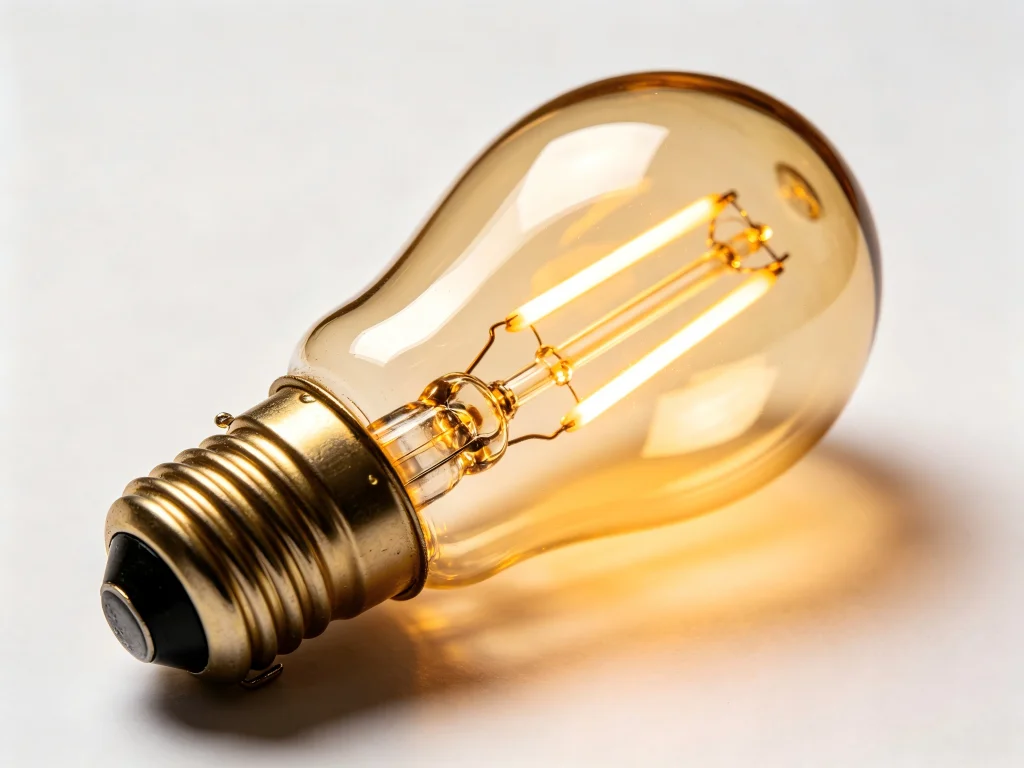
1. How halogen bulbs actually work (and why it matters)
Halogen bulbs are technically an improved version of traditional incandescent bulbs. Inside a halogen bulb, a tungsten filament sits within a small quartz envelope filled with halogen gas – typically iodine or bromine.
When electricity flows through the filament, it heats to about 2500 degrees Celsius and glows, producing light. But here is where halogen improves on standard incandescent bulbs: when tungsten evaporates from the hot filament, the halogen gas chemically reacts with the tungsten vapor and redeposits it onto the filament. This self-cleaning process, called the halogen cycle, allows the filament to operate hotter and last longer than a standard incandescent bulb.
This halogen cycle relies entirely on precise operating temperatures. If the bulb runs too cold (dimmed too much) or too hot (overvoltage), the cycle collapses, accelerating filament failure rather than preventing it.
Despite this clever chemistry, a halogen bulb still converts about 90% of its electricity into heat. Only about 10% becomes visible light. Incandescent lighting energy conversion data. This inefficiency is the fundamental limitation that no halogen bulb can overcome.
1.1. أنواع قواعد الهالوجين الشائعة التي ستصادفها
- E26 (قاعدة لولبية متوسطة) — اللمبات المنزلية القياسية، الأكثر شيوعًا في أمريكا الشمالية
- GU10 (قاعدة ثنائية السن مع قفل) — شائعة للإضاءة الغائرة وإضاءة المسار
- G9 (حلقتان) — لمبات كبسولية صغيرة تُستخدم في التركيبات الزخرفية والأفران والمصابيح الصغيرة
- MR16 (عاكس متعدد الأوجه مع قاعدة GU5.3) — إضاءة المسارات والتركيبات الخارجية للمناظر الطبيعية
- PAR20 / PAR30 / PAR38 — كشافات للإضاءة الخارجية والإضاءة المميزة
- R7S (RSC، خطي مزدوج الطرف) — أضواء الأمان وأضواء العمل والأضواء الكاشفة
معرفة نوع القاعدة هو الخطوة الأولى قبل شراء أي بديل، سواء كان هالوجين أو LED. تركيب لمبة بقاعدة خاطئة — على سبيل المثال E11 في مقبس E26 — لن يعمل ببساطة مهما كانت القوة الكهربائية. دليل توافق أنواع قواعد الهالوجين
2. تقنية LED: كيف تختلف وماذا يعني ذلك بالنسبة لك
LED تعني الصمام الثنائي الباعث للضوء. على عكس لمبات الهالوجين التي تنتج الضوء عن طريق تسخين خيط، تولد مصابيح LED الضوء عندما تتحرك الإلكترونات عبر مادة شبه موصلة. لا عنصر تسخين. لا حاجة لغلاف زجاجي لاحتواء غاز. لا خيط يمكن أن يهتز أو يحترق.
This solid-state design gives LED lamps inherent advantages that halogen cannot match:
- No filament Meaning no vibration sensitivity and no thermal cycling stress
- Instant full brightness No warm-up delay
- Directional light output — LEDs naturally emit light in one direction, while halogen lamps emit light in all directions and require reflectors to direct it
- Lower operating temperatures — LEDs remain cool enough to touch even after hours of operation
However, LEDs are not perfect. They require proper thermal management because heat degrades LED chips over time. They may not work correctly with older dimmer switches designed for halogen lamps. Also, low-quality LEDs can produce poor color rendering or noticeable flicker.
A 5-watt GU10 LED bulb provides brightness equivalent to a 50-watt halogen spotlight – that's a 90% reduction in energy consumption for the same amount of light. A real-world example of LED-to-halogen wattage equivalence
3. Direct Comparison: Every Factor Matters
3.1. Lifespan: The Most Dramatic Difference
A standard halogen bulb lasts about 2,000 hours. An LED bulb typically lasts 15,000 to 50,000 hours. LED vs halogen lifespan comparison This means one LED bulb outlasts ten to twenty halogen bulbs. For light fixtures used three hours a day, a halogen bulb needs replacement every two years. An LED bulb in the same fixture may last 20 years or more.
For automotive headlights, the gap is even larger due to vibration. Halogen headlights in vehicles often last only 500 to 1,000 hours due to road vibration and thermal cycling. Automotive halogen bulb lifespan data
3.2. كفاءة الطاقة: حيث يتخلف الهالوجين
تستخدم مصابيح LED كهرباء أقل بنسبة تصل إلى 85٪ من مصابيح الهالوجين لنفس السطوع. مقارنة كفاءة الطاقة بين LED والهالوجين وهذا ليس تحسنًا بسيطًا – إنه تحول كامل في كمية الضوء التي تحصل عليها مقابل كل دولار من الكهرباء.
يقيس ناتج اللومن الضوء المرئي الفعلي. ينتج هالوجين بقدرة 50 وات حوالي 800-900 لومن. بينما ينتج LED بقدرة 8-10 وات نفس 800-900 لومن بينما يستهلك طاقة أقل بنسبة 80٪. مواصفات ناتج اللومن للهالوجين
3.3. الحرارة الناتجة: آثار السلامة والراحة
تولد مصابيح الهالوجين حرارة كبيرة، حيث تتجاوز درجات حرارة السطح غالبًا 200 درجة مئوية. بينما تظل مصابيح LED عادةً أقل من 60 درجة مئوية أثناء التشغيل. مقارنة درجات الحرارة: الهالوجين مقابل LED
يؤثر هذا الاختلاف في درجة الحرارة على كل شيء بدءًا من السلامة – يمكن لمصابيح الهالوجين إشعال المواد القابلة للاشتعال القريبة – إلى الراحة – يمكن لمصابيح الهالوجين تدفئة الغرف الصغيرة بشكل ملحوظ – إلى تكاليف تكييف الهواء – كل واط من الحرارة من المصباح هو واط يجب أن يزيله مكيف الهواء.
3.4. جودة الألوان: المجال الوحيد الذي يتفوق فيه الهالوجين
تحقق مصابيح الهالوجين مؤشر تجسيد الألوان (CRI) بقيمة 100، مما يعني أن الألوان تظهر تمامًا كما تظهر تحت ضوء الشمس الطبيعي. وهذا هو الحد الأقصى النظري. بالنسبة لتطبيقات مثل المعارض الفنية أو واجهات العرض أو إضاءة التصوير الفوتوغرافي، يظل هذا التجسيد اللوني المثالي ميزة حقيقية.
تحقق مصابيح LED الحديثة عالية CRI تصنيفات CRI من 95 إلى 98. بالنسبة لمعظم الناس في معظم الأماكن، لا يمكن تمييز هذا الاختلاف بصريًا. ومع ذلك، فإن مصابيح LED منخفضة الميزانية ذات تصنيفات CRI أقل من 80 تنتج ألوانًا باهتة بشكل ملحوظ ويجب تجنبها في أي تطبيق تكون فيه جودة الإضاءة مهمة.
درجة حرارة اللون هي اعتبار آخر. تنتج مصابيح الهالوجين عادةً ضوءًا أبيض دافئًا حوالي 2700K إلى 3000K. بينما تتوفر مصابيح LED في كل درجة حرارة لونية من 1800K (دافئ الشمعة) إلى 6500K (ضوء النهار). أنت لست مقيدًا بلون واحد.
3.5. توافق التعتيم: متطلبات مختلفة
تعمل مصابيح الهالوجين بشكل مثالي مع أي مفتاح تعتيم قياسي تقريبًا. بينما تتطلب مصابيح LED مفاتيح تعتيم مخصصة لأحمال LED على وجه التحديد. استخدام مفتاح تعتيم قياسي مع مصابيح LED غالبًا ما يسبب وميضًا أو طنينًا أو نطاق تعتيم محدودًا. بعض مصابيح LED لن تعمل على الإطلاق مع مفتاح تعتيم غير متوافق.
إذا كنت تقوم بالترقية من الهالوجين إلى LED على مفاتيح التعتيم الحالية، فخطط لاستبدال تلك المفاتيح بإصدارات متوافقة مع LED. هذا يضيف إلى التكاليف الأولية ولكنه يلغي المشكلات المستمرة.
3.6. الحالة التنظيمية: توافر الهالوجين يتقلص
اعتبارًا من سبتمبر 2023، حظرت المملكة المتحدة بيع معظم مصابيح الهالوجين للاستخدام المنزلي العام كجزء من التزاماتها بتغير المناخ. حظر الهالوجين في المملكة المتحدة ساري المفعول September 2023 Similar restrictions are in effect or imminent in the European Union, Australia, Canada, and many US states.
Specialized applications — automotive headlights, ovens, stage lighting, some industrial equipment — remain exempt for now. But for general lighting, halogen bulbs are increasingly difficult to find and will become even scarcer. The government estimates that LEDs will account for 85% of all bulbs sold by 2030. LED market share forecast by 2030
3.7. Upfront Cost vs. Total Cost of Ownership
Halogen bulbs are cheaper at the point of purchase. A standard halogen bulb costs $2 to $5. A high-quality LED bulb costs $8 to $15. This upfront difference leads many shoppers to choose halogen.
But the upfront cost is only part of the story. Consider a single bulb used 4 hours per day. Over 5 years: halogen requires 3 replacements (2000-hour lifespan) costing about $10 for bulbs plus $40 for electricity. LED requires no replacements, costs $12 upfront, and uses about $8 of electricity over the same period. Total cost: halogen $50, LED $20. The LED saves $30 per bulb in just five years.
Multiply that by 20 bulbs in a home, and savings over five years exceed $600. That's real money.
4. The Automotive Angle: Special Considerations for Vehicle Lighting
Automotive lighting presents unique challenges that affect any upgrade decision. Halogen headlights remain standard in many vehicles, but LED upgrades offer compelling advantages — with important caveats.
4.1. Key Differences for Automotive Applications
Brightness needs differ: Halogen bulbs produce a warm, yellowish light sufficient for most night driving. LED bulbs produce a brighter, whiter light that improves visibility and reduces eye strain. Independent tests show that premium LED upgrades can be 29% to 35% brighter than original halogen bulbs in the same housing. Brightness comparison: GTR LED vs. halogen
Vibration resistance matters more: Vehicle lighting experiences constant vibration from road surfaces, engine operation, and vehicle movement. Halogen bulbs with fragile filaments are prone to vibration-induced failure. LED bulbs without filaments naturally resist vibration damage.
Cold weather effects differ: Halogen bulbs generate enough heat to melt snow and ice off headlight lenses, a useful feature in winter climates. LEDs operate cold, meaning snow and ice can accumulate on headlight lenses unless the housing includes separate heating elements. Winter performance comparison: Halogen vs. LED
Beam pattern accuracy is critical: The most important technical factor for automotive LED upgrades is the beam pattern. Halogen headlight housings are designed around the precise position and shape of the halogen filament. LED bulbs must place their light-emitting chips in the exact same location as that filament, or the beam pattern scatters, reducing visibility and creating dangerous glare for oncoming drivers. Technical explanation of beam pattern issues in halogen housings
CANbus compatibility affects functionality: Many modern vehicles monitor lighting circuits for electrical load. LED bulbs consume significantly less power than halogen, which the car's computer interprets as burnt-out bulbs. This triggers dashboard warnings, rapid turn signal flashing, or complete non-functionality. CANBUS decoder function for LED headlights Upgrades
4.2. Legal considerations for automotive lighting
Halogen bulbs with color temperatures exceeding 4200K are illegal on roads in many jurisdictions because bluish light can be mistaken for emergency vehicle lighting. Legal color temperature limits for halogen headlights This applies to both halogen and LED – excessive blue light is unsafe and illegal regardless of technology.
For UK drivers specifically, installing aftermarket LED bulbs in halogen housings may cause an MOT test failure if the beam pattern becomes incorrect. UK MOT regulations on aftermarket LED bulbs
5. Why GTR Lighting is the professional choice for halogen replacement
When you're ready to move beyond halogen bulbs, choosing the right LED supplier is crucial. The market is flooded with cheap LED bulbs that flicker, fail early, produce poor color quality, or scatter light dangerously. GTR stands out for several reasons.
5.1. Precision engineering matters
GTR bulbs feature digitally precise LED chip placement that mirrors the exact position of original halogen filaments. This geometric focus ensures beam patterns remain sharp and properly aimed. GTR beam geometry specifications
Independent testing confirms the results. GTR bulbs provide up to 709% more brightness than original halogen while consuming a fraction of the power. Brightness test: GTR vs. halogen comparison
5.2. Built to last with real warranties
Unlike generic LED bulbs that fail within months, GTR products come with comprehensive warranties. The Ultra 2 series includes a lifetime warranty, reflecting the manufacturer's confidence in product durability. User feedback on GTR warranty coverage
5.3. Easy installation with CANbus readiness
GTR bulbs work as a direct replacement for original halogen bulbs. For vehicle applications, CANbus integrated circuits eliminate error codes and hyper-flash issues common with generic LED upgrades. Technical details of GTR Canbus integration
5.4. Installed by real users in real conditions
Automotive forums are full of users who have tried multiple brands and settled on GTR. One experienced user noted: “The GTR Ultra Series 2.0 is the best you will get. I installed it last year and have been satisfied. Previously I had Morimoto 2Stroke 2.0 and some unknown products from Amazon.” Comparative user review of GTR and other LED brands
Another driver shared: “I use GTR Mini LEDs and they work great, excellent beam and technology, low consumption. No, they are not cheap, yes they are superior to halogen.” Classic car owner review of GTR LED bulbs
6. Making the purchase decision: a practical framework
Here is a decision guide to help you choose the right lighting for your specific situation:
- Determine the mounting type and base — Check the current bulb for numbers like E26, G9, GU10, H4, or H11. This determines which bulbs will physically fit.
- Consider the usage pattern — Bulbs used for long hours daily benefit most from LED energy savings. Bulbs used rarely may not justify the upgrade cost as quickly.
- Check dimmer compatibility — If you have dimmer switches and want dimmable LEDs, consider the costs of replacing the dimmer.
- Evaluate color preferences — اختر درجة حرارة اللون. 2700K يطابق دفء الهالوجين التقليدي. 3000K يبدو أكثر سطوعًا وبياضًا قليلاً. 4000K إلى 5000K يوفر لونًا قريبًا من ضوء النهار لإضاءة المهام.
- بالنسبة للمركبات، تحقق من توافق نمط الشعاع — لا تعمل جميع LEDs بشكل جيد في أغلفة الهالوجين. اختر لمبات مصممة لمطابقة دقيقة لموضع الفتيل، مثل منتجات GTR.
- قارن التكلفة الإجمالية للملكية — احسب تكاليف 5 سنوات بما في ذلك الطاقة والبدائل والشراء الأولي. دع الأرقام ترشدك بدلاً من السعر المبدئي وحده.
7. الأسئلة الشائعة حول الهالوجين مقابل LED
س1: هل يتم حظر مصابيح الهالوجين تمامًا؟ ليس تمامًا، لكن مصابيح الهالوجين المنزلية العامة تواجه حظرًا في العديد من البلدان بما في ذلك المملكة المتحدة والاتحاد الأوروبي. التطبيقات المتخصصة (السيارات، الأفران، إضاءة المسرح) تظل معفاة، لكن التوفر يتناقص بسرعة.
س2: هل يمكنني وضع مصابيح LED في أي تركيبات هالوجين؟ بشكل عام نعم للتركيبات المنزلية، بشرط تطابق القاعدة وأن تكون قوة مصباح LED ضمن تصنيف التركيبة. للتطبيقات في السيارات، محاذاة نمط الشعاع بشكل صحيح أمر بالغ الأهمية — ليست كل مصابيح LED تعمل بشكل صحيح في هياكل الهالوجين.
س3: لماذا تحترق مصابيح الهالوجين لدي في أسابيع بدلاً من سنوات؟ تشمل الأسباب الشائعة الاهتزاز (خاصة في المركبات)، وارتفاع الحرارة في التركيبات المغلقة، وتقلبات الجهد، أو التعتيم إلى ما دون درجة الحرارة المطلوبة لدورة الهالوجين لتعمل بشكل صحيح. كل من هذه يسرع فشل الفتيل بشكل كبير قبل العمر الافتراضي المحدد.
س4: كم لومن أحتاج لاستبدال مصباح هالوجين؟ مصباح هالوجين قياسي 40 واط ينتج حوالي 450-500 لومن. هالوجين 60 واط ينتج حوالي 800 لومن. هالوجين 100 واط ينتج حوالي 1600 لومن. طابق قيم اللومن هذه، وليس القوة الكهربائية، عند اختيار بدائل LED.
س5: هل ستعمل مصابيح LED في الفرن أو الثلاجة؟ Only LED bulbs specifically rated for extreme temperatures will work. Standard LEDs fail quickly in oven heat (over 200°C) or freezer cold (-20°C). For appliances, check temperature ratings before purchasing.
Q6: Why do LED bulbs cost more upfront? LEDs require more complex manufacturing including microelectronics, thermal management systems, and quality control. However, the higher initial cost pays off through lower energy bills and far fewer replacements over time.
Q7: Do halogen bulbs produce UV radiation? Yes, standard halogen bulbs emit small amounts of UV radiation. The quartz envelope typically blocks most UV, but prolonged close-range direct exposure should be avoided, especially for sensitive skin or artwork.
Q8: Which is better for outdoor security lighting — halogen or LED? LED is generally better for security lighting. LEDs provide instant full brightness (no warm-up period), consume less electricity for always-on applications, and last much longer, reducing maintenance in hard-to-reach fixtures. LED floodlights with motion sensors are the standard choice for modern security systems.
8. Quick Reference: Halogen vs. LED at a Glance
| Factor | Halogen Bulb | LED Bulb |
|---|---|---|
| Typical Lifespan | 2,000 hours (1-2 years) | 25,000-50,000 hours (15-20+ years) |
| Energy Used for Same Brightness | 100% (خط الأساس) | 15-20% (أقل بنسبة 80-85%) |
| الحرارة المنبعثة | عالية جدًا (~200°C+ على السطح) | منخفضة (~40-60°C على السطح) |
| جودة الإضاءة (CRI) | 100 (مثالي) | 80-98 (الجودة تختلف) |
| توافق التعتيم | يعمل مع جميع المخفتات القياسية | يتطلب مخفتًا متوافقًا مع LED |
| التكلفة المبدئية | $2-$5 لكل لمبة | $8-$15 لكل لمبة (علامات تجارية عالية الجودة) |
| التكلفة لكل لمبة على مدى 5 سنوات (4 ساعات/يوم) | ~$50 (لمبات + كهرباء) | ~$20 (لمبات + كهرباء) |
| الحالة التنظيمية | يتم إيقافها تدريجيًا للاستخدام العام | قياسي للتركيبات الجديدة |
| Instant full brightness | نعم | نعم |
| مقاومة الاهتزاز | ضعيف (خيط هش) | ممتاز (بدون خيط) |
9. شراؤك القادم: اتخاذ القرار الذكي
إذا كنت لا تزال تشتري المصابيح المتوهجة الهالوجينية اليوم، فأنت في الواقع تستثمر في تقنية تعمل الجهات التنظيمية على إيقافها تدريجيًا، والتي تكلفك أكثر في الطاقة مما توفره في السعر المبدئي، والتي تتطلب استبدالًا مستمرًا. لم يعد قرار التحول إلى LED يتعلق بكونك من المتبنين الأوائل – بل يتعلق بتجنب فئة منتجات تتدهور باستمرار.
بالنسبة لتطبيقات السيارات، فإن حالة الترقية أقوى. الرؤية الأفضل في الليل تحسن السلامة. عدد أقل من الاستبدالات يلغي عناء تغيير المصابيح الأمامية في مواقف السيارات. ومصابيح LED الحديثة مثل تلك من GTR توفر أنماط شعاع تعمل بشكل صحيح في وحدات الهالوجين المصنعية – تقدم حاسم لم يكن موجودًا قبل بضع سنوات.
عندما تكون مستعدًا للترقية، اختر الجودة. تجنب أرخص مصابيح LED على أمازون – فهي تومض، وتفشل، وأنماط شعاعها غالبًا ما تكون خطيرة. بدلاً من ذلك، اختر المصابيح من الشركات المصنعة التي تهندس بدقة، مثل GTR. تم التحقق من سلسلتي Ultra 2 و Ultra 3 بشكل مستقل كأكثر الخيارات سطوعًا وأفضل تركيزًا المتاحة، حيث توفران 294% إلى 709% ضوءًا أكثر قابلية للاستخدام من الهالوجين القياسي بينما تستهلكان طاقة أقل. نتائج اختبار سطوع GTR Ultra 3
توقف عن استبدال المصابيح كل بضعة أشهر. توقف عن الدفع لتسخين أسقفك. توقف عن المساومة على السلامة بضوء خافت ومشتت. استكشف مجموعة منتجات GTR الكاملة على https://www.ledcxr.com واجعل ترقية الإضاءة الخاصة بك مرة واحدة، وبشكل صحيح، على المدى الطويل.