
Se stai leggendo questo, probabilmente hai un apparecchio che necessita di nuove lampadine e stai cercando di decidere se restare con lampadine alogene o passare ai LED. Forse hai sentito che le alogene sono state vietate in alcuni paesi. Forse un amico ti ha detto che i LED fanno risparmiare denaro, ma non sei sicuro della qualità della luce. O forse hai appena comprato una casa con faretti alogeni ovunque e devi capire qual è la strada migliore da seguire.
Comprendere le differenze tra tecnologia alogena e LED è la base di qualsiasi acquisto intelligente di illuminazione. Le lampadine alogene creano luce riscaldando un filamento di tungsteno fino a farlo incandescere, mentre i LED producono luce tramite elettroluminescenza in un semiconduttore. Questa differenza fondamentale determina ogni metrica di prestazione significativa tra le due tecnologie.
Questa guida ti offre il confronto completo e senza fronzoli basato su dati di prestazioni reali, realtà normative e costi di proprietà a lungo termine. Nessun hype di marketing. Nessun numero selezionato ad arte. Solo ciò che devi sapere per prendere una decisione sicura.
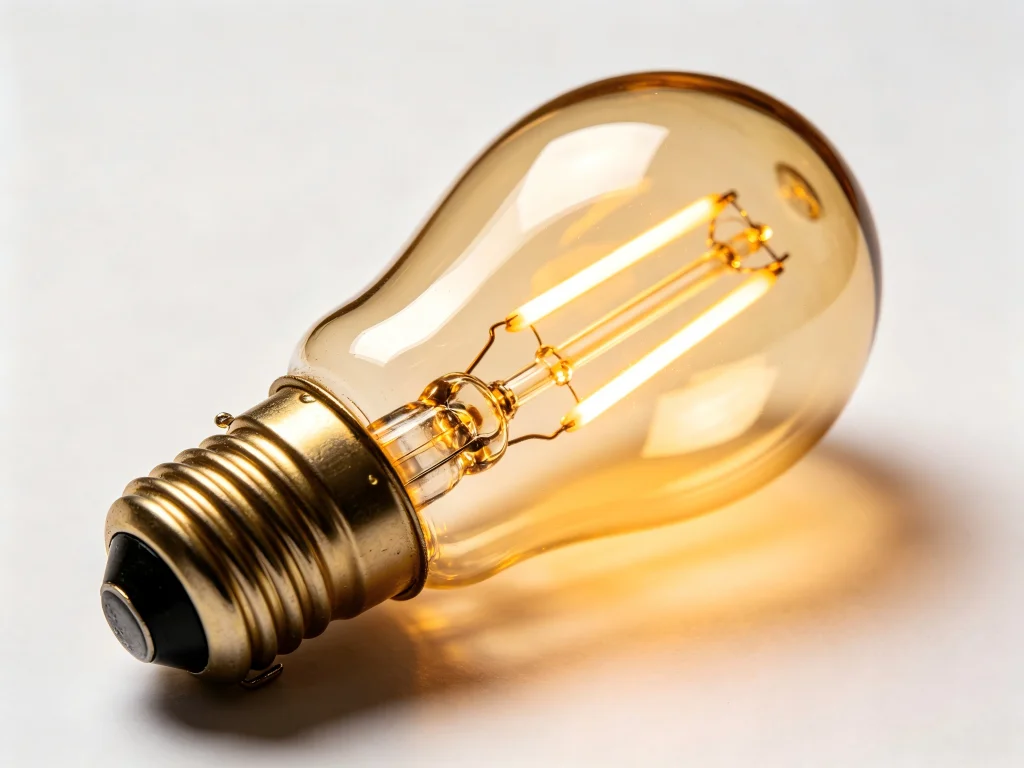
1. Come funzionano realmente le lampadine alogene (e perché è importante)
Le lampadine alogene sono tecnicamente una versione raffinata delle tradizionali lampadine a incandescenza. All’interno di una lampadina alogena, un filamento di tungsteno si trova all’interno di un piccolo bulbo di quarzo riempito con un gas alogeno, tipicamente iodio o bromo.
Quando l’elettricità scorre attraverso il filamento, questo si riscalda fino a circa 2.500°C e si illumina, producendo luce. Ma qui è dove l’alogeno migliora le lampadine a incandescenza standard: mentre il tungsteno evapora dal filamento caldo, il gas alogeno reagisce chimicamente con il vapore di tungsteno e lo rideposita sul filamento. Questo processo di autopulizia, chiamato ciclo alogeno, consente al filamento di funzionare a temperature più elevate e durare più a lungo rispetto a una lampadina a incandescenza standard.
Questo ciclo alogeno dipende interamente da temperature operative precise. Se la lampadina funziona troppo fredda (regolata troppo bassa) o troppo calda (sovratensione), il ciclo si rompe, accelerando il guasto del filamento invece di prevenirlo.
Nonostante questa chimica intelligente, una lampadina alogena converte ancora circa il 90% della sua elettricità in calore. Solo circa il 10% diventa luce visibile. Dati sulla conversione energetica per illuminazione a incandescenza. Questa inefficienza è la limitazione fondamentale che nessuna lampadina alogena può superare.
1.1. Tipi di attacco alogeni comuni che incontrerai
- E26 (attacco a vite medio) — Lampadine domestiche standard, più comuni in Nord America
- GU10 (baionetta a due pin) — Popolare per faretti da incasso e binari luce
- G9 (due anelli) — Piccole lampadine a bulbo utilizzate in apparecchi decorativi, forni e lampade di piccole dimensioni
- MR16 (riflettore multifaccettato con attacco GU5.3) — Illuminazione su binario e apparecchi per esterni
- PAR20 / PAR30 / PAR38 — Faretti per illuminazione esterna e di accento
- R7S (RSC, lineare a doppio attacco) — Luci di sicurezza, luci da lavoro e faretti
Conoscere il tipo di attacco è il primo passo prima di acquistare qualsiasi sostituto, sia alogeno che LED. Installare una lampadina con l’attacco sbagliato — ad esempio E11 in una presa E26 — semplicemente non funzionerà, indipendentemente dalla potenza. Guida alla compatibilità dei tipi di attacco per alogeni
2. Tecnologia LED: Come si Differenzia e Cosa Significa per Te
LED sta per Diodo a Emissione di Luce. A differenza delle lampadine alogene che producono luce riscaldando un filamento, i LED generano luce quando gli elettroni si muovono attraverso un materiale semiconduttore. Nessun elemento riscaldante. Nessun involucro di vetro necessario per contenere un gas. Nessun filamento che possa vibrare o bruciarsi.
This solid-state design gives LEDs inherent advantages that halogens cannot match:
- No filament means no vibration sensitivity and no thermal cycling fatigue
- Instant full brightness with no warm-up delay
- Directional light emission — LEDs naturally emit light in one direction, while halogen lamps emit light in all directions and require reflectors to direct it.
- Lower operating temperatures — LED bulbs remain quite cool to the touch even after hours of operation.
However, LEDs are not perfect. They require proper thermal management because heat degrades LED chips over time. They may not work properly with old dimmers designed for halogens. And low-quality LEDs can produce poor color rendering or noticeable flicker.
A 5W GU10 LED provides brightness equivalent to a 50W halogen spotlight — a 90% reduction in energy consumption for the same light output. Real-world example of LED vs halogen wattage equivalence.
3. Direct comparison: every factor that matters
3.1. Lifespan: the most dramatic difference
A standard halogen bulb lasts about 2,000 hours. An LED bulb typically lasts from 15,000 to 50,000 hours. LED vs halogen lifespan comparison. This means an LED bulb lasts as long as ten or twenty halogen bulbs. For a fixture used three hours a day, a halogen needs replacement every two years. An LED in the same fixture could last 20 years or more.
For automotive headlights, the gap is even wider due to vibration. Halogen headlight bulbs in vehicles often last only 500 to 1,000 hours due to road vibrations and thermal cycling. Data on automotive halogen lifespan.
3.2. Efficienza energetica: dove le alogene sono carenti
I LED consumano fino all’85% in meno di elettricità rispetto alle alogene per la stessa luminosità. Confronto efficienza energetica LED vs alogeno. Non è un piccolo miglioramento — è una trasformazione completa nella quantità di luce che si ottiene per ogni dollaro di elettricità.
L'emissione luminosa in lumen quantifica la luce visibile effettiva. Un'alogena da 50 watt produce circa 800-900 lumen. Un LED da 8-10 watt produce gli stessi 800-900 lumen consumando l’80% in meno di potenza. Specifiche emissione lumen alogene.
3.3. Emissione di calore: implicazioni per sicurezza e comfort
Le lampadine alogene generano calore significativo, con temperature superficiali che spesso superano i 200°C. I LED tipicamente rimangono sotto i 60°C durante il funzionamento. Confronto temperature: alogeno vs LED.
Questa differenza di temperatura influisce su tutto: dalla sicurezza — le lampadine alogene possono incendiare materiali combustibili vicini — al comfort — le lampadine alogene possono riscaldare notevolmente piccoli ambienti — ai costi di condizionamento — ogni watt di calore di una lampadina è un watt che il tuo condizionatore deve rimuovere.
3.4. Qualità del colore: l'unico ambito in cui le alogene eccellono
Le lampadine alogene raggiungono un Indice di Resa Cromatica (CRI) di 100, il che significa che i colori appaiono esattamente come sotto la luce solare naturale. Questo è il massimo teorico. Per applicazioni come gallerie d’arte, espositori al dettaglio o illuminazione fotografica, questa resa cromatica perfetta rimane un vantaggio genuino.
I moderni LED ad alto CRI raggiungono valori di CRI da 95 a 98. Per la maggior parte delle persone nella maggior parte delle situazioni, questa differenza è visivamente indistinguibile. Tuttavia, i LED economici con CRI inferiori a 80 producono colori visibilmente sbiaditi e dovrebbero essere evitati per qualsiasi applicazione in cui la qualità della luce è importante.
La temperatura del colore è un’altra considerazione. Le lampadine alogene producono tipicamente luce bianca calda intorno a 2700K-3000K. I LED sono disponibili in ogni temperatura di colore da 1800K (caldo candela) a 6500K (luce diurna). Non sei vincolato a un solo colore.
3.5. Compatibilità con i dimmer: requisiti diversi
Le lampadine alogene funzionano perfettamente con quasi tutti i dimmer standard. I LED richiedono dimmer specificamente classificati per carichi LED. L'uso di un dimmer standard con lampadine a LED causa spesso sfarfallio, ronzio o una gamma di regolazione limitata. Alcuni LED non si accendono affatto con un dimmer incompatibile.
Se stai passando da alogeno a LED su dimmer esistenti, prevedi di sostituire quei dimmer con versioni compatibili con LED. Questo aumenta i costi iniziali ma elimina problemi continui.
3.6. Stato normativo: la disponibilità degli alogeni si sta riducendo
Da settembre 2023, il Regno Unito ha vietato la vendita della maggior parte delle lampadine alogene per uso domestico generale come parte degli impegni sul cambiamento climatico. Divieto di alogeni nel Regno Unito in vigore September 2023 Similar restrictions are in effect or coming in the EU, Australia, Canada, and several US states.
Specialty applications — automotive headlights, ovens, stage lighting, some industrial equipment — remain exempt for now. But for general lighting, halogen bulbs are increasingly hard to find and will only become scarcer. The government estimates that LEDs will account for 85% of all bulbs sold by 2030. Projected LED market share by 2030
3.7. Initial cost vs total cost of ownership
Halogen bulbs are cheaper at the register. A standard halogen bulb costs $2 to $5. A quality LED bulb costs $8 to $15. This initial difference leads many buyers to choose halogen.
But the initial cost is only part of the story. Consider a single bulb used 4 hours a day. Over 5 years: halogen requires 3 replacements (2,000-hour lifespan) costing about $10 in bulbs plus $40 in electricity. LED requires no replacements, costs $12 initially, and uses about $8 in electricity over the same period. Total cost: halogen $50, LED $20. LED saves $30 per bulb in just five years.
Multiply by 20 bulbs in a home and the five-year savings exceed $600. That's real money.
4. The automotive angle: special considerations for vehicle lighting
Automotive lighting presents unique challenges that influence any upgrade decision. Halogen headlights remain standard on many vehicles, but LED upgrades offer compelling advantages — with important caveats.
4.1. Key differences for automotive applications
Brightness needs differ: Halogen bulbs produce warm, yellowish light adequate for most night driving. LEDs produce whiter, brighter light that improves visibility and reduces eye strain. Independent tests show that premium LED upgrades can be 294% to 350% brighter than original halogen bulbs in the same housing. Brightness comparison: GTR LED vs halogen
Vibration resistance matters more: Vehicle lighting undergoes constant vibration from the road surface, engine operation, and vehicle movement. Halogen bulbs with fragile filaments are susceptible to vibration-induced failure. Filament-free LEDs inherently resist vibration damage.
Cold weather effects differ: Halogen bulbs generate enough heat to melt snow and ice from headlight lenses, a useful feature in winter climates. LEDs operate cold, which means snow and ice can build up on headlight lenses unless the housing includes separate heating elements. Halogen vs LED: winter performance comparison
Beam precision is critical: The most important technical factor for automotive LED upgrades is the light beam. Halogen headlight housings are designed around the exact position and shape of the halogen filament. LED bulbs must place their light-emitting chips in exactly the same position as that filament, otherwise the beam scatters, reducing visibility and creating dangerous glare for oncoming drivers. Technical explanation of beam issues in halogen housings
CANbus compatibility affects functionality: Many modern vehicles monitor bulb circuits for electrical load. LED bulbs draw significantly less power than halogen, which onboard computers interpret as burned-out bulbs. This triggers dashboard warning lights, rapid flashing of turn signals, or complete non-functionality. CANBUS decoder functionality for LED headlights upgrade
4.2. Legal considerations for automotive lighting
Halogen bulbs with color temperatures above 4200K are not road-legal in many jurisdictions because the bluish light can be confused with emergency vehicle lights. Legal color temperature limits for halogen headlights This applies to both halogen and LED bulbs: excessively blue light is dangerous and illegal regardless of technology.
For UK drivers in particular, installing aftermarket LED bulbs in halogen housings can cause MOT failure if the beam becomes incorrect. UK MOT regulations on aftermarket LED bulbs
5. Why GTR Lighting is the professionals' choice for halogen replacement
When you're ready to go beyond halogen bulbs, choosing the right LED supplier is extremely important. The market is flooded with cheap LEDs that flicker, fail early, produce poor color quality, or scatter light dangerously. GTR stands out for several reasons.
5.1. Engineering precision that matters
GTR bulbs feature digitally precise LED chip positioning that mirrors the exact position of original halogen filaments. This engineering attention ensures that light beams remain sharp and correctly aimed. GTR beam engineering specifications
Independent testing confirms the results. GTR bulbs deliver up to 709% more brightness than original halogens while consuming a fraction of the power. Brightness testing: GTR vs halogen comparison
5.2. Built to last with real warranties
Unlike generic LEDs that fail within months, GTR products are covered by comprehensive warranties. The Ultra 2 series includes a lifetime warranty, reflecting the manufacturer's confidence in product durability. User feedback on GTR warranty coverage
5.3. Plug-and-play installation with CANbus readiness
GTR bulbs work as direct replacements for factory halogens. For vehicle applications, built-in CANbus circuitry eliminates error codes and hyper-flash issues common with generic LED upgrades. Details on GTR CANbus integration technology
5.4. Proven by real users in real conditions
Automotive forums are full of users who have tried multiple brands and settled on GTR. One experienced user noted: “The GTR Ultra Series 2.0 is the best you can get. Installed last year and I've been satisfied. Previously I had Morimoto 2Stroke 2.0 and some no-name Amazon specials.” Comparative user review of GTR vs other LED brands
Another driver shared: “I use the GTR Mini LEDs and they work great, great beam and technology, low draw. No, they're not cheap, yes, they're superior to halogens.” Classic car owner review of GTR LEDs
6. Making your purchase decision: a practical framework
Here is a decision guide to help you choose the right lighting for your specific situation:
- Identify the fixture type and base — Check the existing bulb for numbers like E26, G9, GU10, H4, or H11. This determines which bulbs will physically fit.
- Consider your usage pattern — Lights used for many hours a day benefit the most from LED energy savings. Lights used rarely may not justify the upgrade cost as quickly.
- Check dimmer compatibility — If you have dimmer switches and want dimmable LEDs, consider the cost of replacing the dimmer.
- Evaluate your color preferences — Scegli la temperatura di colore. 2700K corrisponde al calore degli alogeni tradizionali. 3000K appare leggermente più luminoso e bianco. 4000K a 5000K fornisce un colore simile alla luce diurna per l’illuminazione da lavoro.
- Per i veicoli, verifica la compatibilità del modello di fascio — Non tutti i LED funzionano bene negli alloggiamenti alogeni. Scegli lampadine progettate per una corrispondenza precisa della posizione del filamento, come i prodotti GTR.
- Confronta il costo totale di proprietà — Calcola i costi su 5 anni, inclusi energia, sostituzioni e acquisto iniziale. Lascia che siano i numeri a guidarti, non solo il prezzo iniziale.
7. Domande frequenti su alogeni vs LED
D1: Le lampadine alogene saranno bandite completamente? Non completamente, ma le lampadine alogene per uso domestico generale affrontano divieti in molti paesi, inclusi Regno Unito e UE. Le applicazioni specialistiche (automotive, forni, illuminazione scenica) rimangono esenti, ma la disponibilità sta diminuendo rapidamente.
D2: Posso mettere lampadine LED in qualsiasi apparecchio alogeno? Generalmente sì per gli apparecchi domestici, a condizione che l’attacco corrisponda e che la potenza della lampadina LED rientri nella classificazione dell’apparecchio. Per applicazioni automobilistiche, l’allineamento corretto del fascio luminoso è fondamentale: non tutti i LED funzionano correttamente negli alloggiamenti alogeni.
D3: Perché le mie lampadine alogene si bruciano in settimane invece che in anni? Le cause comuni includono vibrazioni (soprattutto nei veicoli), surriscaldamento in apparecchi chiusi, fluttuazioni di tensione o dimmerazione al di sotto della temperatura richiesta per il corretto funzionamento del ciclo alogeno. Ciascuno di questi fattori accelera significativamente il guasto del filamento rispetto alla durata nominale.
D4: Di quanti lumen ho bisogno per sostituire una lampadina alogena? Una lampadina alogena standard da 40W produce circa 450-500 lumen. Una alogena da 60W produce circa 800 lumen. Una alogena da 100W produce circa 1.600 lumen. Abbina questi valori di lumen, non la potenza, quando selezioni i sostituti LED.
D5: Le lampadine LED funzioneranno nel mio forno o frigorifero? Only LED bulbs specifically rated for extreme temperatures will work. Standard LEDs fail quickly in oven heat (over 200°C) or freezer cold (-20°C). For appliances, check temperature ratings before purchasing.
D6: Why do LED bulbs cost more initially? LED bulbs require more complex manufacturing, including precision electronic components, thermal management systems, and quality control. However, the higher upfront cost pays off through lower energy bills and far fewer replacements over time.
D7: Do halogen lamps produce UV radiation? Yes, standard halogen lamps emit small amounts of ultraviolet radiation. The quartz envelope typically blocks most UV rays, but direct exposure at close range for extended periods should be avoided, especially for skin sensitivity or artwork.
D8: Which is best for outdoor security lighting — halogen or LED? LED is generally better for security lighting. LEDs provide instant full brightness (no warm-up), consume less electricity for always-on applications, and last much longer, reducing maintenance on hard-to-reach fixtures. LED motion sensor floodlights are the standard choice for modern security systems.
8. Quick reference: Halogen vs LED at a glance
| Fattore | Halogen bulb | LED bulb |
|---|---|---|
| Typical lifespan | 2,000 hours (1-2 years) | 25,000-50,000 hours (15-20+ years) |
| Energy used for same brightness | 100% (baseline) | 15-20% (80-85% less) |
| Heat emitted | Very high (~200°C+ surface) | Low (~40-60°C surface) |
| Light quality (CRI) | 100 (perfect) | 80-98 (variable quality) |
| Dimmer compatibility | Works with all standard dimmers | Requires compatible LED dimmer |
| Initial cost | $2-$5 per bulb | $8-$15 per bulb (quality brands) |
| Cost over 5 years per bulb (4 hours/day) | ~$50 (bulbs + electricity) | ~$20 (bulbs + electricity) |
| Regulatory status | Being phased out for general use | Standard for new installations |
| Instant full brightness | Yes | Yes |
| Vibration resistance | Poor (fragile filament) | Excellent (no filament) |
9. Your Next Purchase: Making the Smart Choice
If you are still buying halogen bulbs today, you are effectively investing in a technology that regulators are phasing out, which costs you more in energy than you save in upfront price, and which requires continuous replacements. The decision to switch to LEDs is no longer about being an early adopter — it's about avoiding a product category that is constantly worsening.
For automotive applications, the case for the upgrade is even stronger. Better nighttime visibility improves safety. Fewer replacements eliminate the hassle of changing headlights in parking lots. And modern LEDs like those from GTR produce light beams that work correctly in factory halogen housings — a critical advancement that didn't exist a few years ago.
When you're ready to upgrade, choose quality. Avoid the cheapest LEDs on Amazon — they flicker, fail, and their light beams are often dangerous. Instead, select bulbs from manufacturers that design with precision, like GTR. Our Ultra 2 and Ultra 3 series have been independently verified as the brightest and best-focused options available, providing from 2941% to 7091% more useful light than stock halogens, while consuming less energy. GTR Ultra 3 Brightness Test Results
Stop replacing bulbs every few months. Stop paying to heat your ceilings. Stop compromising safety with dim, diffuse light. Explore the full range of GTR products at https://www.ledcxr.com and make your lighting upgrade once, correctly, for the long term..