
Sei in piedi nel corridoio dei ricambi auto—o stai scorrendo infinite pagine di prodotti—fissando tre tecnologie di fari molto diverse. Alogeni. Xeno. LED. Ognuna promette di essere “la migliore”. Ognuna ha sostenitori appassionati e detrattori altrettanto appassionati. Come scegli davvero?
Risposta diretta: I fari allo xeno erogano una potenza luminosa da 2 a 3 volte superiore rispetto agli alogeni, con un risparmio energetico del 35% e una durata di 2.000-3.000 ore. I fari LED offrono una durata ancora maggiore (fino a 20.000 ore) e luminosità istantanea, ma a un costo iniziale significativamente più elevato. La scelta giusta dipende dal tuo veicolo, dal tuo budget e da quanto guidi di notte.
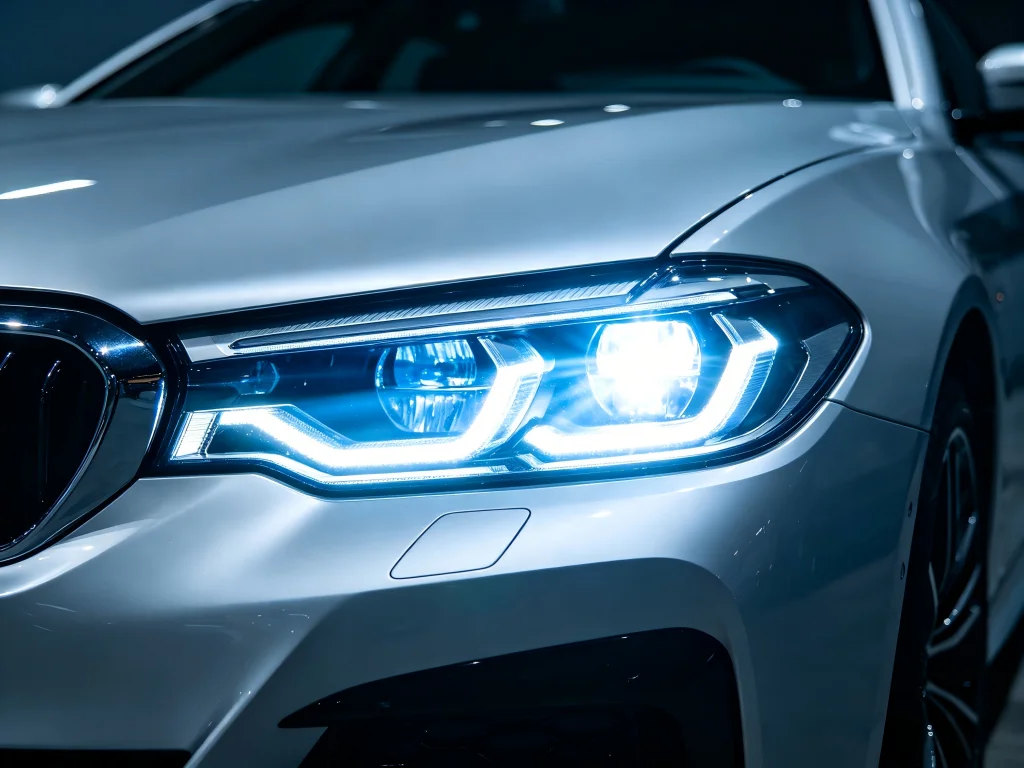
1. Capire la tecnologia: come funziona ciascun sistema
Prima di confrontare, cerchiamo di capire cosa succede realmente all’interno di ciascun faro. Non è solo una curiosità—influisce direttamente su prestazioni, affidabilità e costi di sostituzione.
1.1. Alogeni: il vecchio affidabile
Le lampadine alogene funzionano allo stesso modo della lampadina di Thomas Edison. Una corrente elettrica riscalda un filamento di tungsteno all’interno di una capsula di vetro riempita di gas alogeno. Il filamento si illumina, producendo luce. Semplice. Economico. E inefficiente. Le lampadine alogene convertono la maggior parte della loro energia in calore, non in luce. In genere durano da 250 a 1.000 ore e producono una luce calda e giallastra con una temperatura di colore intorno ai 3.200K.
1.2. Xeno HID: la brillante via di mezzo
I fari allo xeno—chiamati anche luci a scarica ad alta intensità (HID)—non hanno un filamento che si brucia. Invece, creano un arco elettrico tra due elettrodi all’interno di una capsula di quarzo riempita di gas xeno e vapore di mercurio. Questo arco genera una luce intensa—da 3.000 a 3.500 lumen rispetto ai 1.000-1.500 lumen degli alogeni. Il gas xeno amplifica la luminosità e aiuta la lampadina a raggiungere rapidamente la temperatura di esercizio.
I sistemi allo xeno richiedono un ballast che fornisce un impulso di accensione da 25.000V per avviare l’arco, poi mantiene l’arco a circa 85V durante il normale funzionamento. Questa complessità è sia un punto di forza che una debolezza. Consente prestazioni superiori ma introduce componenti aggiuntivi che possono guastarsi.
1.3. LED: il nuovo standard
I fari LED (diodi a emissione di luce) utilizzano semiconduttori che emettono luce quando la corrente li attraversa. Nessun filamento. Nessun gas. Nessun tempo di riscaldamento. Solo luce istantanea e brillante, altamente efficiente e incredibilmente duratura. I LED in genere durano fino a 20.000 ore e offrono temperature di colore tra 4.000K e 6.000K. Tuttavia, richiedono sofisticati sistemi di gestione del calore—dissipatori o ventole—per prevenire il surriscaldamento.
2. Confronto testa a testa: fari allo xeno vs LED vs alogeni
| Caratteristica | Halogen | Xeno HID | LED |
|---|---|---|---|
| Potenza luminosa (lumen) | 1,000-1,500 | 3,000-3,500 | 3,000-5,000 |
| Temperatura del colore | 3.200-5.000K | 4.300-6.000K | 4.000-6.000K |
| Durata di vita (ore) | 250-1,000 | 2,000-3,000 | 15,000-20,000 |
| Efficienza energetica | Low | Media (risparmio del 35% rispetto ad alogeni) | High |
| Tempo di riscaldamento | Immediato | 3-5 secondi | Immediato |
| Initial cost | Low | Medio | High |
| Complessità di sostituzione | Fai da te semplice | Moderata (potrebbe richiedere un professionista) | Complessa (spesso richiede la sostituzione del modulo) |
Fonti: PowerBulbs, HELLA, Repco Authorised Service
3. Il vantaggio Xenon: dove brilla la tecnologia HID
I fari allo xeno occupano un punto ideale che né gli alogeni né i LED possono rivendicare appieno. Ecco dove eccellono:
3.1. Qualità della luce superiore per la guida notturna
La luce allo xeno è più vicina alla luce naturale del giorno rispetto agli alogeni, con temperature di colore tra 4.300K e 6.000K. Ciò migliora il contrasto e riduce l’affaticamento degli occhi durante i lunghi viaggi notturni. Il fascio di un faro allo xeno si diffonde più ampio e più lontano rispetto agli alogeni, rendendolo ideale per individuare i pericoli su strade poco illuminate, soprattutto ad alte velocità.
3.2. Prestazioni migliori in condizioni avverse
Le luci allo xeno appaiono più bianche sotto la pioggia e nella nebbia, migliorando la visibilità quando serve di più. La distribuzione della luce più ampia e uniforme limita la dispersione del bagliore e offre una visione più chiara della strada. Questo è particolarmente prezioso per i conducenti che viaggiano frequentemente su autostrade o strade rurali non illuminate.
3.3. Illuminazione premium conveniente
Mentre i fari a LED offrono la migliore durata ed efficienza, hanno un prezzo elevato. Lo xeno offre l’80-90% dei vantaggi prestazionali dei LED al 40-50% del costo. Per molti automobilisti, lo xeno rappresenta l’equilibrio ottimale tra prestazioni, affidabilità e valore.
4. Quando i fari allo xeno potrebbero NON essere la scelta giusta
Ogni tecnologia ha i suoi compromessi. Ecco quando dovresti considerare le alternative:
4.1. Guidi prevalentemente in città
Se la tua guida è principalmente urbana con strade ben illuminate, la luminosità extra dello xeno potrebbe essere eccessiva. L’alogeno potrebbe esserti sufficiente—e farti risparmiare denaro in anticipo.
4.2. Il tuo veicolo utilizza alloggiamenti per alogeni
Non puoi semplicemente inserire lampadine allo xeno in alloggiamenti per alogeni. Le lampadine allo xeno hanno attacchi diversi (iniziano con “D” anziché “H”) e richiedono alloggiamenti di tipo projector per controllare il fascio luminoso. Adattare lo xeno in alloggiamenti a riflettore crea un abbagliamento pericoloso per il traffico in arrivo ed è spesso illegale. Avresti bisogno di un kit di conversione HID completo con nuovi alloggiamenti, ballast e cablaggi.
4.3. Lampeggi frequentemente con gli abbaglianti
Le lampadine allo xeno impiegano 3-5 secondi per raggiungere la massima luminosità. Lampeggiare con gli abbaglianti—cosa comune per segnalare agli altri automobilisti—produce una luce a malapena visibile durante il primo secondo. Se lampeggi frequentemente con i fari, l’accensione istantanea dei LED è un chiaro vantaggio.
5. Come scegliere le giuste lampadine allo xeno per fari: una checklist per l'acquirente
Se hai deciso che lo xeno fa per te—o stai sostituendo fari allo xeno esistenti—ecco cosa cercare:
- Verifica l’attacco del tuo veicolo: Gli attacchi delle lampadine allo xeno iniziano con “D” (ad es., D1S, D2S, D3S, D4S). Controlla il manuale del proprietario o usa uno strumento di ricerca lampadine per confermare la specifica esatta.
- Scegli la giusta temperatura di colore: 4.300K è lo standard OEM—bianco giallastro e legale ovunque. 5.000K offre luce bianca pura per un look moderno. 6.000K produce una luce bianco-blu fredda ma può ridurre la visibilità in condizioni di bagnato. Oltre 6.000K, l’emissione luminosa diminuisce significativamente e potrebbe essere illegale in alcune regioni.
- Sostituisci in coppia: Le lampadine allo xeno si attenuano nel tempo. Sostituirne solo una crea una luce e un colore non corrispondenti. Sostituisci sempre entrambe le lampadine contemporaneamente.
- Considera la marca: La qualità varia notevolmente tra i produttori. Le lampadine di qualità OEM di marchi affidabili—come quelle di GTR—utilizzano materiali per elettrodi superiori e sono sottoposte a test rigorosi per garantire prestazioni costanti.
- Controlla la garanzia: Le lampadine allo xeno di qualità dovrebbero essere accompagnate da una garanzia che copra i difetti di fabbricazione. Le lampadine economiche spesso non hanno garanzia o hanno una garanzia impossibile da far valere.
- Ispeziona la confezione: Le lampadine di qualità sono confezionate per prevenire la contaminazione. Toccare il vetro con le dita nude può creare punti caldi che riducono la durata della lampadina. Cerca confezioni che includano istruzioni per la manipolazione o guaine protettive.
6. I costi nascosti dei fari allo xeno economici
Siamo diretti su qualcosa che la maggior parte delle guide sorvola. Le lampadine allo xeno economiche non sono solo meno luminose. A lungo termine costano di più.
Una lampadina allo xeno premium di un produttore di qualità dura 2.500 ore. Una lampadina economica dura 500 ore e produce una luce incostante per la maggior parte di quel tempo. Su 10.000 ore di guida, acquisterai un set di lampadine premium o cinque set di lampadine economiche. Le lampadine premium costano $150. Le lampadine economiche costano $50 per set—$250 in totale. Spendi $100 in più e ottieni prestazioni peggiori.
Ma il costo nascosto è peggiore. Le lampadine economiche utilizzano materiali per elettrodi inferiori che si degradano in modo irregolare, creando instabilità dell’arco che può danneggiare il ballast. Un ballast danneggiato costa $200-$500 da sostituire. Improvvisamente, quel “risparmio” ti è costato $600.
Questa non è speculazione. È la realtà dell’illuminazione automobilistica che abbiamo documentato attraverso migliaia di interazioni con i clienti. La qualità non è costosa. È in realtà l’opzione più economica.
7. Cosa dicono gli esperti: approfondimenti dal settore automobilistico
HELLA, uno dei principali produttori mondiali di illuminazione automobilistica, osserva che i fari allo xeno forniscono “un’illuminazione eccellente, ma sono più costosi e richiedono più manutenzione” rispetto agli alogeni. Sottolineano inoltre che i sistemi allo xeno richiedono la regolazione automatica dell’assetto dei fari per prevenire l’abbagliamento. Questo non è opzionale—è un requisito legale in molte giurisdizioni.
PowerBulbs, un importante rivenditore di illuminazione, consiglia che “puoi usare le lampadine allo xeno in sicurezza solo se la tua auto è progettata per utilizzarle”. Tentare di usare lampadine allo xeno in alloggiamenti per alogeni senza un kit di conversione adeguato è pericoloso e potenzialmente illegale.
Il consenso tra gli esperti del settore è chiaro: i fari allo xeno offrono prestazioni eccezionali quando sono specificati e installati correttamente, ma non sono una soluzione valida per tutti. Compatibilità, qualità e installazione corretta contano enormemente.
8. Fari allo xeno per veicolo: cosa si adatta alla tua auto?
I fari allo xeno sono di serie su molti veicoli premium e disponibili come optional su innumerevoli altri:
- BMW: I fari allo xeno sono stati in produzione per quasi 30 anni, apparendo su modelli dalla Serie 1 alla Serie 7, inclusi i modelli F30 della Serie 3 con fari Bi-Xenon Adaptive
- Audi: The A1 Sportback uses Bi-Xenon/LED headlights with D3S bulbs
- Honda: Civic models from 2018 onward use D4S xenon bulbs in some trims
- Porsche: Models like the 957 GTS use xenon dipped beams that require careful diagnosis when failing
Always verify your specific vehicle’s compatibility before purchasing. A bulb that fits one BMW F30 may not fit another—it depends on whether your vehicle has adaptive lighting, the specific model year, and the trim level.
9. Frequently Asked Questions About Xenon Headlights
9.1. Are xenon headlights better than LED?
It depends on your priorities. Xenon offers superior light quality with a warmer, more natural beam that many drivers prefer for night driving. LED offers longer lifespan and instant-on capability. Xenon is typically more affordable upfront; LED is more cost-effective over the very long term.
9.2. How much do xenon headlights cost?
Replacement bulbs typically range from $50 to $150 per bulb, depending on the brand and specification. Complete headlight assemblies can cost $500 to $2,000 or more. Installation adds $100 to $300 if you use a professional.
9.3. Can I convert my halogen headlights to xenon?
Yes, but only with a complete HID conversion kit that includes bulbs, ballasts, wiring, and often new housings. Simply swapping halogen bulbs for xenon bulbs is unsafe, illegal in most places, and won’t work because the fittings are different.
9.4. Do xenon headlights use more energy than LED?
Yes. Xenon uses about 35% less energy than halogen but more than LED. LED is the most energy-efficient option, consuming roughly half the power of xenon for similar light output.
9.5. Why do xenon headlights take time to warm up?
The arc inside a xenon bulb needs time to reach its full operating temperature. During the first 3-5 seconds, the light output is reduced. This is normal and not a sign of failure.
9.6. Are xenon headlights legal in my country?
Factory-installed xenon systems are legal worldwide when they include automatic leveling and washer systems as required. Aftermarket retrofits may be illegal depending on your local regulations. Always check your local laws before modifying your headlights.
10. Your Decision: Which Headlight Technology Is Right for You?
Here’s the bottom line:
- Choose halogen if: You’re on a tight budget, you rarely drive at night, and your vehicle has halogen housings you don’t want to modify.
- Choose xenon if: You want premium lighting performance at a reasonable cost, you frequently drive on unlit roads, and your vehicle already has xenon housings or you’re willing to invest in a proper conversion.
- Choose LED if: You want the absolute best lifespan and efficiency, you’re willing to pay a premium upfront, and your vehicle supports LED installation (or you’re buying a new car with factory LEDs).
For most drivers—especially those who already own vehicles with factory xenon headlights—the smart choice is clear: invest in quality xenon replacements that restore your lights to their original performance. Don’t downgrade to halogen. Don’t pay the LED premium unless you truly need it. Get the performance your vehicle was designed to deliver.
11. GTR: The Xenon Headlight Choice That Makes Sense
GTR understands what drivers actually need: performance that doesn’t compromise on quality, reliability, or value. Our xenon headlight solutions are engineered to meet or exceed OEM specifications, with rigorous testing that ensures consistent performance across thousands of hours of use.
We don’t cut corners on electrode materials. We don’t ship bulbs with inconsistent color temperatures. We don’t leave you guessing about compatibility. Every GTR xenon product is designed for specific vehicle platforms, with clear installation instructions and support when you need it.
Whether you’re replacing degraded xenon headlights in your BMW, upgrading your Audi’s lighting, or converting your Honda to HID, GTR delivers the performance you expect and the reliability you deserve.
Explore GTR’s xenon headlight solutions today. Because the right light isn’t just about seeing better. It’s about driving with confidence..