
You’ve decided to upgrade your high beam headlights. Smart move. But here’s the problem: the market is flooded with options, and most of them are garbage.
Direct answer: Choosing the right high beam upgrade requires evaluating five critical factors: bulb type (LED vs. HID vs. halogen), lumen output, beam pattern accuracy, thermal management, and vehicle compatibility. The cheapest option is almost never the best—and the most expensive isn’t always necessary.
Let’s cut through the marketing hype and give you the real criteria for selecting high beam lights that actually perform.
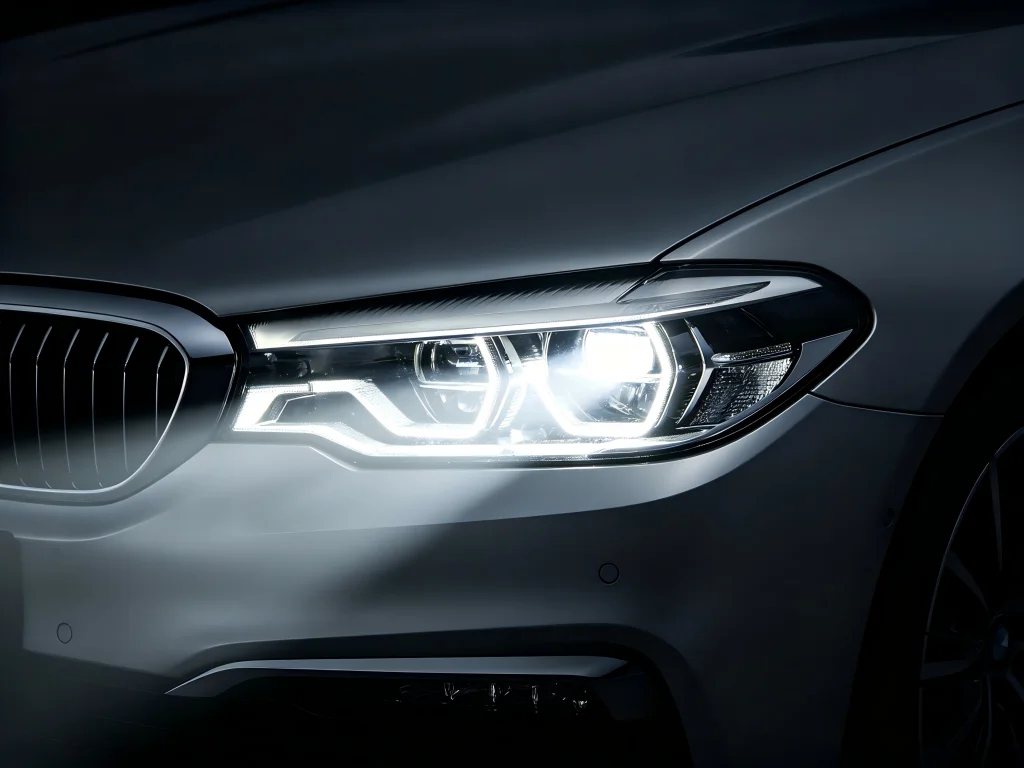
1. The High Beam Landscape: What You're Actually Buying
Before we dive into selection criteria, let’s understand what’s available. The high beam market breaks down into three main technologies:
1.1. Halogen High Beams (The Baseline)
Halogen is what came in your car from the factory. It’s inexpensive, widely available, and universally compatible. It’s also the worst performer by every meaningful metric.
- Pros: Cheap ($10–30 per pair), simple installation, works with all vehicles
- Cons: Low light output (1,000–1,500 lumens), yellowish color (3200K), short lifespan (500–1,000 hours), dims over time
If you’re replacing a burned-out bulb and want the cheapest possible fix, halogen is your answer. If you want to actually see better at night, look elsewhere.
1.2. HID (Xenon) High Beams (The Middle Ground)
High-Intensity Discharge (HID) lights use an electrical arc rather than a filament to produce light. They were the premium option before LEDs took over.
- Pros: Brighter than halogen (2,500–3,500 lumens), whiter light (4300K–6000K), better efficiency
- Cons: Expensive ($100–300+ per pair), requires ballasts, warm-up time (several seconds to reach full brightness), complex installation, compatibility issues with many vehicles
HIDs are fading from the market. LEDs have surpassed them in every category except nostalgia.
1.3. LED High Beams (The Gold Standard)
Light-Emitting Diode (LED) technology is the clear winner for high beam applications. It’s what premium automakers use, and it’s what you should choose for an upgrade.
- Pros: Exceptional brightness (3,000–4,000+ lumens), pure white light (5000K–6500K), instant-on, 30,000+ hour lifespan, energy efficient (30–45W per bulb), compact design
- Cons: Higher upfront cost ($80–300+ per pair), requires proper thermal management, quality varies dramatically between brands
Вывод: LED is the only technology that delivers genuine high beam performance across all conditions. Independent research consistently demonstrates the superiority of LED light sources over HID and halogen for automotive headlight applications.
2. The 7 Critical Factors for Choosing High Beam Lights
Now let’s get into the real decision criteria—the stuff most buying guides skip.
2.1. Lumens vs. Usable Lumens (The Deception)
Here’s where most buyers get tricked. Many manufacturers advertise sky-high lumen numbers—”80,000 lumens!” “120,000 lumens!”—that sound impressive but mean nothing.
Why? Because lumens measure total light output in all directions. But headlights need light going forward in a specific pattern. A bulb that produces 10,000 lumens scattered in every direction is worse than a bulb producing 3,000 lumens precisely focused down the road.
What to look for: Ignore total lumen claims. Look for beam distance и beam pattern photos. A quality LED high beam should illuminate 300–500 feet of road with a clean, focused pattern.
2.2. Beam Pattern Accuracy (The Real Performance Metric)
This is the single most important factor that determines whether your high beam upgrade is a success or a failure.
A good high beam pattern casts light down the road in a focused beam. A bad pattern scatters light everywhere—up into trees, sideways into ditches, and worst of all, into oncoming drivers’ eyes.
The culprit is almost always chip placement. LED chips must be positioned in exactly the same location as the original halogen filament. If they’re even slightly off, the beam pattern is ruined.
What to look for: Brands that publish beam pattern photos and specify their chip placement technology. Premium manufacturers like GTR use precision-aligned chips that match the original filament position exactly.
2.3. Thermal Management (The Longevity Killer)
LEDs generate significant heat. If that heat isn’t managed properly, the LEDs dim, change color, and eventually fail—often within months.
Good thermal management requires:
- Adequate heat sink surface area (aluminum fins or similar)
- Active cooling (a quiet, reliable fan) for higher-output LEDs
- Thermal protection circuitry that dims or shuts off the LED if it overheats
What to look for: Check the heat sink design. Does it have substantial fin area? Is the fan from a reputable manufacturer? Does the brand mention thermal management in their specifications? If they don’t talk about heat, they probably haven’t solved the problem.
2.4. Vehicle Compatibility (CAN Bus and Computer Systems)
Modern vehicles have sophisticated computer systems that monitor every electrical component, including headlights. If you install LEDs that draw different current than the original halogens, the computer may:
- Display error messages on your dashboard
- Cause the lights to flicker
- Disable the lights entirely
- Prevent the high beams from functioning at all
What to look for: Built-in CAN bus decoders or resistors. Quality LED high beam products include these components to ensure your vehicle’s computer sees the correct electrical load.
2.5. Color Temperature (What "White" Actually Means)
Color temperature is measured in Kelvin (K). Here’s what different temperatures mean for high beam performance:
| Цветовая температура | Внешний вид | Performance Impact |
|---|---|---|
| 3200K–4300K | Yellowish to warm white | Poor contrast, less visible details, eye fatigue |
| 5000K–6000K | Pure white | Excellent contrast, natural color rendering, reduced eye strain |
| 6500K+ | Blue-white | Harsh, artificial appearance, can be distracting, may be illegal in some areas |
What to look for: 6000K is the sweet spot for high beams. It provides maximum contrast and visibility without looking artificial or drawing unwanted attention from law enforcement.
2.6. Weather Sealing (Real-World Durability)
Your high beams live in a harsh environment. Rain. Snow. Mud. Road salt. Temperature swings from -40°F to 200°F under the hood. Vibration from every bump and pothole.
Many cheap LED upgrades fail because moisture gets inside the housing or the components can’t handle the vibration.
What to look for: IP67 or IP68 waterproof rating. This means the unit is dust-tight and can survive immersion in water. Also look for vibration testing certification or specifications.
2.7. Installation Complexity (The Hidden Cost)
Some high beam upgrades are truly plug-and-play—15 minutes with basic hand tools. Others require cutting wires, modifying housings, or professional installation.
What to look for: “Plug and play” or “direct fit” in the product description. Check if the product includes all necessary adapters and brackets. Read installation reviews from actual customers.
3. Common High Beam Mistakes (And How to Avoid Them)
Based on thousands of customer interactions, here are the most common mistakes drivers make when upgrading high beams:
- Chasing the cheapest price: Bargain LEDs almost always fail within months. You’ll spend more replacing them than you would have spent on a quality set initially.
- Ignoring beam pattern: Bright but scattered light is worse than dim but focused light. You’ll blind oncoming traffic and see less of the road simultaneously.
- Forgetting about cooling: LEDs that overheat dim quickly and die young. If the product doesn’t mention thermal management, walk away.
- Not checking vehicle compatibility: “It fits the socket” doesn’t mean “it works with your car’s computer.” CAN bus compatibility is non-negotiable for modern vehicles.
- Overlooking installation requirements: Some “plug and play” products still require removing the bumper or headlight assembly. Read the fine print.
4. Frequently Asked Questions About High Beam Upgrades
Can I use LED bulbs in my high beam socket?
Yes, LED bulbs are direct replacements for halogen high beam bulbs in most vehicles. However, you must ensure the LED bulb has the correct base type (e.g., 9005, H7, H11) and includes CAN bus compatibility for your specific vehicle.
Are brighter high beams always better?
No. Brightness without proper beam focus is useless—and dangerous. A well-focused 3,000-lumen high beam outperforms a scattered 10,000-lumen high beam every time. Beam pattern matters more than total lumens.
How long do LED high beams last?
Quality LED high beams last 30,000–50,000 hours. That’s approximately 10–15 years of normal driving. Halogen bulbs, by comparison, last 500–1,000 hours. The LED price premium pays for itself many times over in replacement costs alone.
Will LED high beams blind other drivers?
Not if they’re properly designed and installed. The key is beam pattern accuracy. A quality LED high beam casts light down the road, not into oncoming drivers’ eyes. The problem isn’t LED technology—it’s poorly designed LEDs with incorrect chip placement.
What’s the difference between 9005 and H11 high beam bulbs?
These are different base types used in different vehicles. 9005 is typically used for high beams in many American and Asian vehicles. H11 is more common for low beams but is sometimes used for high beams in European vehicles. Always check your vehicle’s specific bulb size before purchasing.
Do I need to upgrade both high and low beams?
Not necessarily. You can upgrade just your high beams if that’s where you need the most improvement. However, many drivers choose to upgrade both for consistent light quality and appearance. Some LED kits are dual-beam (one bulb handles both functions), while others are single-beam (separate bulbs for high and low).
How do I know if my high beams are properly aimed?
Proper aim ensures you get maximum visibility without blinding others. Park on a level surface 25 feet from a wall. Turn on your high beams. The brightest part of the beam should hit the wall at approximately the same height as your headlights. If it’s higher, your beams are aimed too high and will blind oncoming traffic.
5. Принятие окончательного решения
Here’s the bottom line on choosing high beam lights:
Choose LED – It’s the superior technology in every meaningful category. Halogen is outdated. HID is on its way out. LED is the present and future.
Prioritize beam pattern – This is the single most important performance factor. A focused beam beats a scattered beam every time.
Don’t skimp on quality – The cheapest LEDs will fail you. They’ll dim, flicker, or die completely. You’ll end up replacing them—and spending more money—than if you’d bought quality from the start.
Verify compatibility – Your vehicle’s computer matters. CAN bus compatibility isn’t optional for modern cars. Neither is the correct base type.
Consider the total cost – A quality LED high beam set may cost $150–300 upfront. But it lasts 10+ years and delivers genuine performance improvement. The $30 set lasts 6 months and leaves you squinting into the dark.
Choose a brand with engineering credentials – Not all LED manufacturers are created equal. Look for brands that design their own products, specify their components, and stand behind their quality.
6. Ваш следующий шаг
You now know exactly what to look for in a high beam upgrade. You understand the technology, the critical factors, and the common mistakes to avoid.
Now it’s time to take action.
GTR offers precisely engineered LED high beam solutions that meet every criterion outlined in this guide. Precision chip alignment. Advanced thermal management. CAN bus compatibility. IP68 weather sealing. True plug-and-play installation.
Our products are trusted by thousands of drivers who demand the best possible high beam performance—and who refuse to settle for inadequate lighting.
Visit https://www.rhgtr.com to find the perfect high beam upgrade for your specific vehicle.
Browse our complete catalog. Read verified customer reviews. Get expert advice on the right solution for your driving needs and budget.
Don’t drive another night with inadequate high beams. Upgrade to GTR and see the road the way it was meant to be seen.