
تلاش کریں H7 LED بلب اور آپ کو ہزاروں انتخاب ملیں گے۔ ایک 20,000 لیمنز کا وعدہ کرتا ہے۔ دوسرا 60,000 کا اشتہار دیتا ہے۔ کچھ CANbus مطابقت، ایوی ایشن ایلومینیم، ٹربو پنکھے، چھوٹے ہاؤسنگز، یا 6000K سفید روشنی کو فروغ دیتے ہیں۔
Which specifications actually predict a good headlight?
For professional buyers, the answer matters. Choosing the wrong product can lead to returns, installation complaints, unstable beams, dashboard errors, and damage to brand reputation.
This guide takes a different approach. Instead of rating bulbs based on marketing claims, we will rank the engineering factors that determine whether an H7 LED product is worth buying.
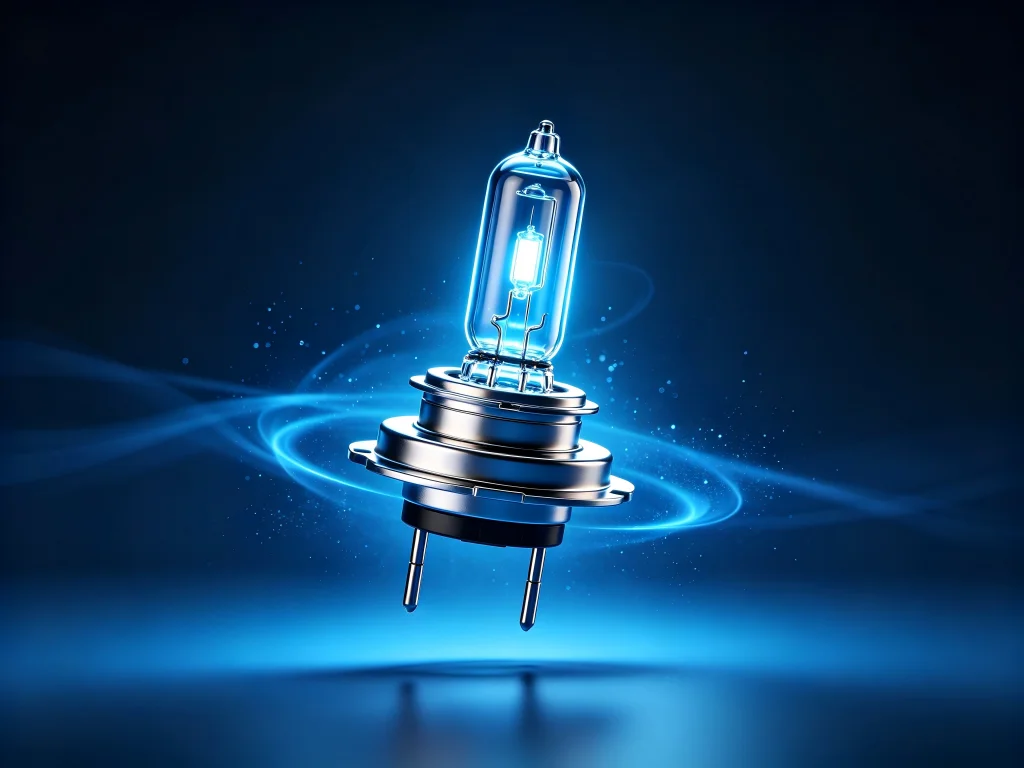
1. What should you look for when buying H7 LED bulbs?
The best H7 LED bulbs should have accurate light source geometry, controlled beam distribution, stable thermal performance, proper electrical compatibility, compact installation dimensions, and consistent manufacturing. Do not choose bulbs based solely on claimed lumens. Headlight compatibility and usable beam performance should be prioritized over maximum advertised brightness.
If you remember only one rule from this guide, make it this:
Buy the beam, not the lumen number.
2. H7 Halogen vs. H7 LED: What actually changes?
H7 is a single-beam bulb format commonly used for low beam or high beam applications. A traditional H7 halogen bulb typically uses a 12V, 55W configuration; Halfords describes a typical H7 halogen with approximately 1,200–1,500 lumens with a PX26-style base.
An LED replacement completely changes the light source.
| The decisive factor | H7 ہالوجن | اچھی طرح ڈیزائن کردہ H7 LED | کم قیمت عام LED خطرہ |
|---|---|---|---|
| روشنی کا رنگ | گرم/سفید سفید | صاف سفید | ممکن ہے ضرورت سے زیادہ نیلا ہو |
| بجلی کی طلب | نسبتاً زیادہ | ممکنہ طور پر کم | برقی دعوے غلط ہو سکتے ہیں |
| آپٹیکل ماخذ | درست فلامنٹ | کمپیکٹ ایل ای ڈی ایمیٹر | بڑا ایمٹنگ ایریا |
| Heat Management | Heat primarily from the filament | Heat sink/fan system | Weak thermal path |
| Electronics | Simple | Electronic LED driver | Unstable driver |
| CANbus behavior | OEM electrical load | Can be engineered for compatibility | Faults or flicker possible |
| نصب | OEM fit | Can approach OEM dimensions | Large fan/driver may interfere |
3. Purchase factor #1: LED chip position is better than chip brand
The position of the LED chip H7 is one of the most important criteria for purchase because headlamp optics are designed around a specific light source location. If the LED emitting surfaces are too large or incorrectly positioned, more lumens can produce more glare instead of better distance visibility.
Many listings emphasize the chip manufacturer.
This can be important, but it is not sufficient.
A premium LED chip installed in poor optical geometry can still produce a bad beam.
3.1. Look at the light emitting surface
The original halogen filament is compact.
Therefore, replacement LEDs should try to place their emitting surfaces close to the expected optical location of the headlamp.
When evaluating samples, compare:
- LED board thickness
- Chip-to-chip distance
- Vertical chip position
- Distance from mounting flange to emitter
- Orientation after locking the bulb in place
These measurements often tell a professional buyer more than the lumen figures printed on the box.
4. Purchase factor #2: Projector vs. Reflector compatibility
H7 LED Bulbs for Projector Headlights Reflector applications deserve separate evaluation.
4.1. Projector Headlights
Uses a reflector bowl, cutoff shield, and lens to create a projector beam.
Small changes at the focal point can create large changes on the road.
A bulb that performs well in one projector may perform poorly in another.
4.2. Reflector Headlights
A reflector distributes light directly through its reflective surfaces and lens structure.
Here too, LED source geometry strongly affects the final beam.
For B2B buyers, this means a universal “H7 fits all” claim should be taken with caution.
5. Buying Factor #3: Lumens vs. Lux
Lumens measure total light output.
Lux measures light intensity on a surface.
Customers care about what they can see on the road, so beam distribution and measured light at relevant points can provide more useful information than raw bulb lumens.
5.1. Marketplace Trap
Consider two hypothetical products:
| Specifications | Bulb A | Bulb B |
|---|---|---|
| Advertised Output | 40,000 Lumens | Understated Output |
| Emitter Geometry | Large | Compact |
| Beam focus | Scattered | Controlled |
| Hot Spot | Weak | Strong |
| Glare Control | خراب | بہتر |
| حرارتی استحکام | نامعلوم | جانچا گیا |
آپ کس کو فروخت کرنا پسند کریں گے؟
ایک پیشہ ور لائٹنگ برانڈ کے لیے، بلب B زیادہ مضبوط پروڈکٹ ہو سکتا ہے چاہے اس کی مارکیٹنگ نمبر چھوٹا ہو۔.
6. خریداری کا عنصر #4: 4300K بمقابلہ 5000K بمقابلہ 6000K بمقابلہ 6500K
رنگین درجہ حرارت بیم کی ظاہری شکل کو تبدیل کرتا ہے، لیکن اسے چمک کے ساتھ الجھانا نہیں چاہیے۔.
| رنگ کا درجہ حرارت | ظاہری شکل | عام خریدار کی ترجیح |
|---|---|---|
| 4300K | گرم-غیر جانبدار سفید | OEM طرز کے صارفین |
| 5000K | غیر جانبدار سفید | مرئیت پر مرکوز اپ گریڈ |
| 5500K–6000K | صاف سفید | Acceptable aftermarket appearance |
| 6500K+ | Cool white | Style-driven buyer |
Very cool color temperature can stand out in product photos, but professional buyers should consider road conditions and consumer preferences, not assume that “blue means brighter.”
7. Purchase Factor #5: Fan Cooling vs. Passive Cooling
7.1. Active Fan Cooling
A fan can move more air across a compact heat sink. This can allow for an overall smaller bulb while supporting higher power.
However, the fan becomes another component that must endure dust, heat, vibration, and long operating cycles.
7.2. Passive Cooling
Systems without a fan remove the mechanical fan but may require larger heat sinks or flexible thermal structures.
This can create packaging challenges.
| ٹھنڈا کرنے کی قسم | Advantages | Commercial compromise |
|---|---|---|
| Fan cooling | Compact, robust heat dissipation capability | Fan quality becomes critical |
| Passive heat sink | No moving fan | May require more space |
| Flexible heat distribution | Compatible installation | Installation consistency is important |
8. Buying Factor #6: CANbus Compatibility
Looking for H7 LED bulb CANbus error-free Common among European vehicle owners
But “error-free” is often oversimplified
A vehicle can check bulb status using electrical load measurement or other monitoring strategies. Since LEDs can draw less power than halogen bulbs, the car may interpret the new load as a failed lamp. Philips notes that CANbus adapters can help eliminate false bulb warnings in some LED applications.
8.1. What questions should B2B buyers ask?
- Which vehicles were tested?
- Was the test conducted with the engine running?
- Were cold and hot bulbs tested?
- Was flicker testing performed?
- Does the system require an external resistor?
- How hot does the decoder get?
- Has PWM compatibility been verified?
A supplier that only prints “CANbus 100% error-free” without application data may be giving you marketing, not engineering proof.
9. Purchasing Factor #7: Size and Adapter Compatibility
This is one of the least understood purchasing criteria.
A standard H7 base does not guarantee easy installation in every car.
Car manufacturers may use proprietary retainers, mounting collars, wiring arrangements, or tight dust covers. Philips' compatibility documentation itself lists model-specific adapter rings and CANbus accessories for some H7 LED applications.
Before placing a wholesale order, measure:
- Total bulb length
- Rear heat sink diameter
- Distance behind the mounting flange
- Driver box dimensions
- Connector Size
- Adapter Requirements
10. Purchase Factor #8: Road Legality and Market-Specific Compliance
“Never take ”road legal” as a global product description.
Approval may depend on country, vehicle, headlamp, bulb, and installation configuration.
10.1. How are H7 LED bulbs road legal in the UK?
For Great Britain, current MOT inspection guidance states that existing halogen headlamp units on vehicles first used on or after 1 April 1986 should not be converted to HID or LED bulbs. A mismatch between the lamp and the light source is a major failure.
This manual distinguishes these conversions from complete replacement headlamp units designed for LED or HID light sources.
Before making road-use claims, check the current GOV.UK MOT inspection requirements .
11. Philips vs. Marketplace H7 LEDs vs. Specialist Manufacturers
Buyers Philips H7 LED Bulbs, Amazon H7 LED Bulbs, ، یا H7 LED بلبس Halfords تلاش کر رہے ہیں، یہ دراصل تین مختلف خریداری کے ارادوں کی نمائندگی کر سکتے ہیں۔.
11.1. Philips قسم کی پریمیم ریٹیل مصنوعات
قائم شدہ عالمی برانڈز مضبوط برانڈ پہچان، منظم مطابقت کی معلومات، اور پختہ ریٹیل تقسیم پیش کرتے ہیں۔
B2B صارفین کے لیے تجارت میں کمی پرائیویٹ لیبلنگ، مصنوعات کی تخصیص، پیکیجنگ، مارکیٹ پوزیشننگ، یا چینل حکمت عملی میں کم آزادی ہو سکتی ہے۔.
11.2. مارکیٹ پلیس مصنوعات
بڑے مارکیٹ پلیسز بہت بڑا انتخاب اور تیز قیمت موازنہ پیش کرتے ہیں۔
تاہم، مختلف فروخت کنندگان کی مصنوعات میں وضاحتیں، مینوفیکچرنگ کنٹرول، وارنٹی سپورٹ، اور طویل مدتی دستیابی میں نمایاں فرق ہو سکتا ہے۔.
11.3. ماہر آٹوموٹیو لائٹنگ مینوفیکچررز
تھوک فروشوں اور علاقائی برانڈز کے لیے، کسی ماہر مینوفیکچرر کے ساتھ براہ راست کام کرنا ایک اور راستہ پیش کر سکتا ہے۔
کلیدی فائدہ صرف قیمت نہیں ہے۔
یہ کنٹرول ہے۔
سپلائر پر منحصر ہے، پیشہ ور خریدار اپنی مارکیٹ کے ارد گرد مصنوعات کی خصوصیات، پیکیجنگ، برانڈنگ، ایپلیکیشن کوریج، اور چینل پوزیشننگ تیار کرنے کے قابل ہو سکتے ہیں۔.
12. بہتر H7 LED سپلائر اسکور کارڈ
| Quality | Weight | What to verify |
|---|---|---|
| Beam performance | 25% | Cut-off, hot spots, split |
| حرارتی استحکام | 20% | Output after extended operation |
| Vehicle compatibility | 15% | Adapter, housing fit, CANbus |
| Electrical design | 15% | Driver stability, PWM, protection |
| Production consistency | 10% | Batch-to-batch quality |
| Customization | 10% | OEM/ODM, packaging, branding |
| Marketing claims | 5% | Evidence behind specifications |
Note that only 5% gets it?
Marketing claims.
This is intentional.
13. How will we test H7 LED samples before bulk order
For a distributor, importing a container based on a spec sheet is an unnecessary risk.
A more professional sample validation process could be like this:
- Measure physical dimensions. Verify that the sample matches the drawing and is suitable for target applications.
- Inspect the LED source geometry. Compare the chip placement with the optical target.
- Run a beam test. Evaluate cutoff, hot spot, spread, and brightness.
- Run a thermal test. Measure performance after the system reaches thermal equilibrium.
- Test voltage behavior. Check operation within the required vehicle voltage range.
- Review CANbus applications. Test target vehicles instead of relying on general claims.
- Cycle repeatedly. Check startup consistency and driver behavior.
- Compare multiple production samples. One excellent engineering sample does not prove mass production consistency.
14. Why professional buyers work with GTR
GTR views automotive lighting from the perspective of aftermarket channel requirements.
This means looking beyond a bulb's specifications.
Wholesalers and retrofit businesses need products that can be consistently installed, clearly explained to customers, supported after sale, and competitively positioned in their local markets.
Based on our manufacturing experience, we focus product evaluation on optical performance, thermal behavior, driver electronics, installation structure, and application requirements, rather than relying on exaggerated brightness claims.
For B2B partners, direct manufacturer collaboration can also be supportive:
- OEM and ODM development
- Private label programs
- Custom Packaging
- Product Specification Development
- Regional Product Planning
- Aftermarket Lighting Solutions
- Wholesale and Distribution Support
15. H7 LED Bulb FAQs
15.1. Which is the best H7 LED bulb?
The best option is one that is compatible with the target headlamp and vehicle while providing controlled beam, stable thermal performance, proper electrical compatibility, and reliable fitment. There is no universal H7 LED that is automatically best for every vehicle.
15.2. Are expensive H7 LED bulbs always better?
No. Price may reflect better engineering, components, distribution, warranty, or branding, but buyers should still verify beam pattern, thermal stability, fitment, and electrical performance.
15.3. Do H7 LED bulbs require CANbus?
Not every vehicle. Some vehicles may require additional electronics to prevent warning lights or flickering. Compatibility should be checked based on the vehicle application.
15.4. Which H7 LED bulbs work best in projector headlights?
Projector applications benefit from precise emitter positioning, compact chip geometry, stable orientation, and proven hotspot and cutoff performance in specific projectors.
15.5. Can I buy H7 LED bulbs from nearby?
Yes. Search H7 LED bulbs near یا H7 LED bulbs near me Can find local automotive retailers and installers. Buyers should still verify fitment and road use requirements.
15.6. Does Halfords sell H7 bulbs?
Yes. Halfords offers H7 replacement bulbs and vehicle-based bulb selection services in the UK. Its H7 range includes traditional replacement options and fitting guidance.
15.7. Should I buy H7 LED bulbs from Amazon?
Marketplace shopping can offer a wide selection and competitive prices, but instead of choosing based only on reviews or lumen claims, evaluate the manufacturer, specifications, warranty, beam evidence, customer feedback, and vehicle compatibility.
15.8. Are Philips H7 LED bulbs road legal?
Approval is specific to market and application. Philips publishes compatibility lists showing approved vehicle/headlamp combinations and required accessories for certain products and markets. This does not mean every Philips H7 LED is approved for every vehicle or country.
16. The cheapest H7 LED can become your most expensive product
For an individual driver, a bad bulb means buying another pair.
For a distributor, the consequences multiply.
A weak product can generate hundreds of installation questions, returns, warranty claims, bad reviews, and dealer complaints.
This changes the purchase equation.
You are not actually buying LED bulbs.
You are buying Optical performance, installation consistency, electrical stability, manufacturing repeatability, and your customer's experience with your brand.
If you are building an H7 LED product line for wholesalers, automotive lighting stores, retrofit chains, or regional distributors, don't start with the question “Who has the lowest price?” Start with the target vehicles and beam performance your market expects. See www.rhgtr.com And discuss your H7 application requirements with GTR before committing to your next bulk lighting program.