
ہر برانڈ دعوی کرتا ہے کہ اس کے پاس سب سے روشن کار ہیڈلائٹس کے لیے ایل ای ڈی لائٹس. ہیں۔ ہر پروڈکٹ پیج وہی اسٹاک فوٹوز استعمال کرتا ہے۔ ہر “جائزہ” سائٹ وہی تجویز کرتی ہے جو سب سے زیادہ ایفیلی ایٹ کمیشن دیتی ہے۔ یہ گائیڈ ایک مختلف طریقہ اختیار کرتی ہے — ایک جو انجینئرنگ اصولوں، آزاد جانچ، اور حقیقی ڈرائیور فیڈ بیک پر مبنی ہے۔ یہاں وہ چیز ہے جو حقیقت میں ایک $70 LED کٹ جو 5 سال چلتی ہے، ایک $15 کٹ سے الگ کرتی ہے جو 6 مہینوں میں ختم ہو جاتی ہے۔.
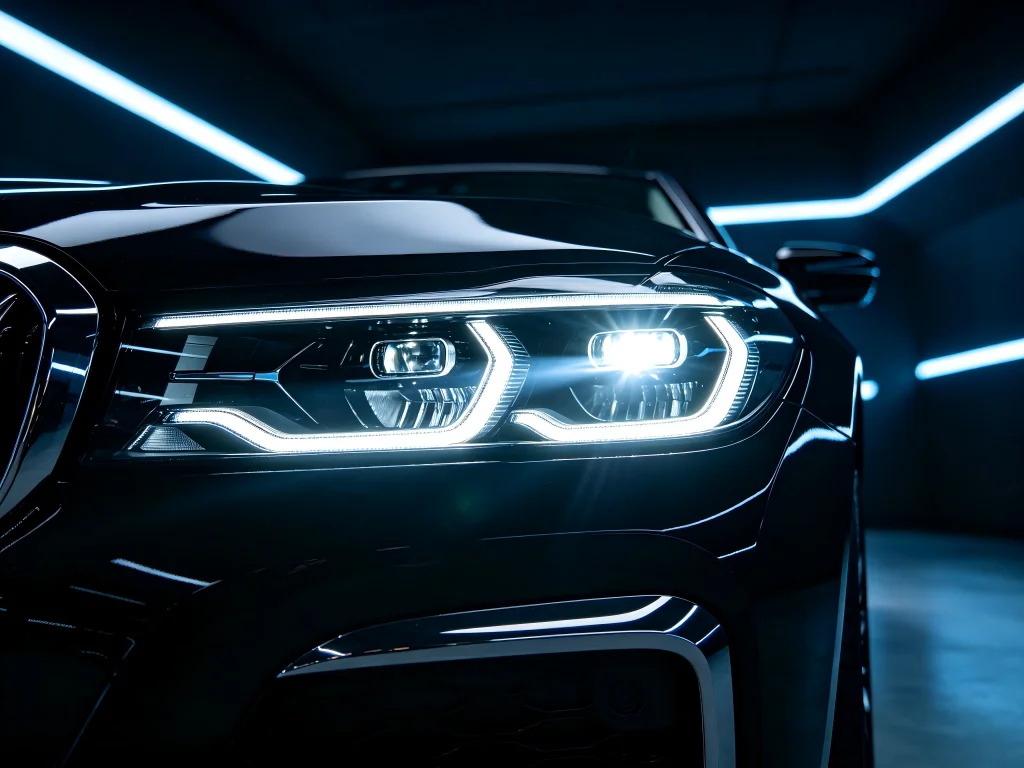
1. What actually makes a good LED headlight bulb
Direct answer: Four things determine whether an LED headlight bulb performs well in your vehicle: optical alignment (beam pattern), thermal management, LED chip quality, and electrical integration (CANBUS compatibility). Ignore any one of these, and your “upgrade” will underperform — or fail completely.
Most buyers focus on lumens and price. That's like buying a car based only on horsepower and ignoring steering, braking, and safety. Let's see what actually matters.
1.1. Optical Alignment: Beam Pattern Test
Your headlight housing is an optical system designed around a specific light source position. Halogen bulbs emit 360-degree light from a single filament point. LED chips are flat surfaces that emit directional light. If the LED chips are not in exactly the same place as the halogen filament, the beam pattern will be distorted.
Consequences of bad beam geometry:
- Dark spots appear directly in your travel path
- Light scatters above the cutoff line, blinding oncoming drivers
- The projected pattern becomes patchy and inconsistent
Testing has proven that cheap LED bulbs can produce beam patterns that are “worse than stock halogen.” In extreme cases, reviewers have reported bulbs where “there is no high/low beam, only high beam all the time, and alignment is very poor.”.
1.2. Thermal Management: The Hidden Performance Killer
LEDs generate heat at the semiconductor junction. If that heat is not effectively dissipated, the bulb derates — meaning it reduces output when hot. You can buy a 4,000-lumen bulb, but after 10 minutes of operation, you are actually getting 2,500 lumens.
Active Cooling vs. Passive Cooling:
| خصوصیت | Active Cooling (fan) | Passive Cooling (no fan) |
|---|---|---|
| Heat Transfer | Up to 511% more efficient | Less efficient per square inch |
| Consistent Brightness | Maintains output under heat | May dim under load |
| Risk of failure | Fan may fail over time | No moving parts |
| Best Suited For | High-output applications | Low-wattage, low-heat setups |
Engineering reality: Active cooling allows the bulb to maintain high brightness for longer without thermal derating. Passive cooling relies entirely on surface area to dissipate heat naturally, meaning the bulb may dim as temperature rises.
1.3. LED chip quality: What you're actually paying for
The chip is the heart of any LED bulb. Here's what the three main types offer:
| Chip type | Beam accuracy | Brightness per watt | Durability | Best Suited For |
|---|---|---|---|---|
| Philips ZES | Best (matches 1.6mm x 2.0mm halogen filament) | اعتدال پسند | High (low failure rate) | Projector Housings |
| CSP (Chip Scale Package) | Good (newer generations have reduced the difference) | More than ZES | Moderate (risk of thermal stress) | Reflector Housings |
| Cree XHP/XPG | Poor (large package affects focus) | بہت زیادہ | بہترین | Off-road / Special use |
Philips ZES chip is generally considered the gold standard for beam accuracy because its dimensions closely match the width of a halogen filament. If you have projector housings, prefer ZES chips. If you have reflectors and want maximum raw output, CSP can work — but only with proper thermal management.
1.4. CANBUS Integration: No More Error Codes
Upgrading to LED headlights often leads to frustrating dashboard warnings or flickering lights. These issues stem from a fundamental electrical incompatibility between LED technology and your vehicle's CANBUS monitoring system.
Common CANBUS Issues:
- Power Draw Mismatch — LEDs use less power than halogens, so the computer thinks the bulb is burned out
- Diagnostic pulse interference — Vehicle diagnostic pulses cause the LED to flicker
- PWM signal complications — Pulse width modulation for DRLs can cause noticeable flicker
Standard LED bulbs include integrated CANBUS decoders that mimic the power draw of halogen bulbs. No external resistors. No dashboard warnings. No flicker.
2. LED vs. Halogen vs. HID: A Direct Comparison
If you're still deciding which technology to choose, here's the data:
| خصوصیت | Halogen | ایچ آئی ڈی (زینون) | Basic LED | Premium LED |
|---|---|---|---|---|
| عمر (گھنٹے) | 450-1,000 | 2,000-3,000 | 15,000-25,000 | 30,000-50,000+ |
| Brightness (Lumens) | 700-1,200 | 3,000-4,000 | 3,000-5,000 | 4,000-6,000+ |
| Power Consumption | پینٹالیس ڈبلیو | پینٹریم ڈبلیو | 30-50W | 16-25W |
| Beam Quality | Factory Baseline | Good (Factory) | Often Inconsistent | Exact Match |
| CANBUS Compatible | Yes (factory) | بیلاسٹ درکار ہے | External decoder required | Integrated solution |
Premium LED options provide significantly better performance than both halogen and budget LED alternatives. However, beam quality and compatibility vary significantly even within the premium category.
3. Common mistakes that cost you money
3.1. Mistake #1: Chasing Lumens
Most buyers focus entirely on lumen output while completely ignoring beam pattern quality. A bright bulb with poor focus provides less useful light than a moderately bright bulb with perfect beam geometry. Raw lumen numbers mean nothing if the light isn't going where you need it.
3.2. Mistake #2: Believing wattage claims
That “300W” LED bulb you see on Amazon? It's not drawing 300 watts. That's marketing exaggeration — typically “equivalent” wattage, not actual power draw. Check the real specifications. A standard LED headlight bulb typically draws 16-25W per bulb.
3.3. Mistake #3: Ignoring housing compatibility
Not all LEDs work well in all housings. Projector housings demand precise chip positioning for sharp cutoffs. Reflector housings benefit from wide light distribution. An industry analysis noted that “a good LED H11 produces 3,000-6,000 lumens … lasts 30,000+ hours, and draws even less power than stock H11 halogen”. But only if the bulb is designed for your specific housing type.
3.4. Mistake #4: Skipping the beam pattern check
کسی بھی ایل ای ڈی ریٹروفٹ کو انسٹال کرنے کے بعد، رات کو 25 فٹ کے فاصلے پر دیوار یا گیراج کے دروازے کے خلاف بیم پیٹرن چیک کریں۔ ایک مناسب پیٹرن میں مرکز میں تیز، 15 ڈگری زاویہ والا سٹیپ اپ ہوتا ہے۔ پھیلا ہوا بکھراؤ کا مطلب ہے کہ کچھ غلط ہے۔.
4. What industry leaders are saying
HID Nation — over 25 years in automotive lighting and over 50,000 orders shipped — calls the GTR Lighting Ultra 3 the premium performance choice for H11 applications. The Morimoto 2Stroke 4.0 is recommended for best value, but the GTR Ultra 3 is considered the performance leader.
Why? Because GTR doesn't cut corners. Real Philips ZES chips with higher heat tolerance ratings than standard alternatives. Precise positioning that replicates the traditional filament location. Integrated CANBUS that eliminates error codes. Active cooling that maintains brightness under load.
5. Real driver feedback
“I've installed dozens of LED kits over the years. The GTR Ultra 3 is the first where the beam pattern looked correct right out of the box. No adjustments needed. No glare. Just perfect light.”
“Tried SEALIGHT, tried AUXITO, tried FAHREN. All had issues — flickering, poor beam patterns, or both. The GTRs were more expensive but worth every penny. They just work.”
6. FAQ: Your buying questions answered
6.1. What bulb size do I need?
Check your vehicle's owner's manual or use the bulb finder tool. Common sizes include H11 (most common low beam), 9005/HB3 (high beam), 9006/HB4, H7, and H4/9003 (dual beam).
6.2. How many lumens do I really need?
A standard LED headlight bulb provides 3,000-6,000 lumens per pair. More importantly, the beam pattern must be correct. 6,000 lumens with poor focus is worse than 3,000 lumens with perfect focus.
6.3. Are 6000K LEDs legal?
Color temperature alone doesn't determine legality. In the US, aftermarket LED replacement bulbs in halogen housings are generally not federally compliant with FMVSS 108. Many drivers use them successfully, but check your local regulations. Always prioritize safety over aesthetics.
6.4. :1 ڈیزائن اور معیاری میں کیا فرق ہے؟
1:1 ڈیزائن کا مطلب ہے کہ LED بلب فیکٹری halogen بلب کے عین جسمانی طول و عرض اور روشنی کے منبع کی پوزیشن کی نقل کرتا ہے۔ یہ مناسب بیم پیٹرن اور فٹمنٹ کو یقینی بناتا ہے۔ غیر 1:1 بلب صحیح طریقے سے فٹ نہیں ہو سکتے یا روشنی بکھیر سکتے ہیں۔.
6.5. کیا مجھے CANBUS-مطابق LEDs کی ضرورت ہے؟
اگر آپ کی گاڑی میں بلب آؤٹ مانیٹرنگ سسٹم ہے (زیادہ تر جدید کاروں میں ہوتا ہے)، تو ہاں۔ CANBUS-مطابق LEDs خرابی کے کوڈز اور ٹمٹماہٹ کو روکتے ہیں۔.
6.6. میں ایل ای ڈی ہیڈلائٹ بیم پیٹرن کو کیسے ایڈجسٹ کروں؟
فلیٹ دیوار سے 25 فٹ دور سطح زمین پر پارک کریں۔ ہڈ کے نیچے عمودی ایڈجسٹمنٹ سکرو استعمال کریں تاکہ بیم کو اوپر یا نیچے کریں جب تک کٹ آف لائن آپ کے ٹیپ کے نشان کے ساتھ سیدھ میں نہ آجائے۔ افقی ایڈجسٹمنٹ کے لیے، بلب کو گھمائیں تاکہ ایل ای ڈی چپس 9 اور 3 بجے کی پوزیشن پر بیٹھیں۔.
6.7. کیا میں دھند یا بارش میں ایل ای ڈی ہیڈلائٹس استعمال کر سکتا ہوں؟
ہاں، لیکن صحیح رنگ کا درجہ حرارت منتخب کریں۔ 4300K-5000K گرم سفید دھند اور بارش میں 6000K+ نیلی سفید سے بہتر گزرتا ہے۔ خالص سفید یا نیلی روشنی خراب موسم میں زیادہ بکھرتی ہے۔.
6.8. کچھ ایل ای ڈی ہیڈلائٹس کی قیمت $150 کیوں ہے جبکہ دوسری $15؟
$15 کٹ سستے چپس، ناقص تھرمل مینجمنٹ، اور کوئی CANBUS انٹیگریشن استعمال کرتی ہے۔ یہ جھلملائے گی، روشنی بکھیرے گی، اور ممکنہ طور پر مہینوں میں ناکام ہو جائے گی۔ $150 کٹ پریمیم چپس جیسے Philips ZES، فعال کولنگ، مربوط CANBUS، اور درست انجینئرنگ استعمال کرتی ہے — جو سالوں تک مستقل کارکردگی فراہم کرتی ہے۔.
7. اپنی رات کی ڈرائیونگ میں سمارٹ سرمایہ کاری کریں
آپ کے پاس دو انتخاب ہیں۔ آپ $15 ایمیزون اسپیشل خرید سکتے ہیں، جھلملاہٹ اور چکاچوند سے نمٹ سکتے ہیں، چھ ماہ میں اسے تبدیل کر سکتے ہیں، اور پھر بھی رات کو صحیح طریقے سے نہیں دیکھ سکتے۔ یا آپ پریمیم ایل ای ڈی سسٹم میں سرمایہ کاری کر سکتے ہیں جو درست بیم پیٹرن، مستقل چمک، اور سالوں کی قابل اعتماد سروس فراہم کرتا ہے۔
GTR Lighting نے Ultra 3 سیریز کو ان ڈرائیوروں کے لیے ڈیزائن کیا ہے جو سمجھوتہ کرنے سے انکار کرتے ہیں۔ اصلی Philips ZES چپس۔ فعال کولنگ۔ مربوط CANBUS۔ درست آپٹیکل الائنمنٹ۔ وہ سب کچھ جو سستی کٹس چھوڑ دیتی ہیں۔
Don't let marketing hype ruin your night vision. Don't let cheap engineering compromise your safety.
کارکردگی منتخب کریں۔ درستگی منتخب کریں۔ GTR منتخب کریں۔.
See the full GTR Lighting Ultra 3 lineup https://www.rhgtr.com and experience what properly engineered LED headlights can do.