
اگر آپ لو بیم بمقابلہ ہائی بیم ہیڈلائٹس پر تحقیق کر رہے ہیں، تو آپ ابتدائی مرحلے سے آگے نکل چکے ہیں۔ آپ بنیادی باتیں جانتے ہیں۔ اب آپ کو حقیقی، قابل عمل معلومات کی ضرورت ہے جو آپ کو باخبر خریداری کا فیصلہ کرنے میں مدد دے۔ یہ گائیڈ اسی مقصد کے لیے لکھی گئی ہے۔
آٹوموٹو ایل ای ڈی لائٹنگ میں ہمارے سالوں کے مینوفیکچرنگ تجربے کی بنیاد پر، ہم نے ہر بڑی بلب قسم کا تجربہ کیا ہے، درجنوں گاڑیوں کے پلیٹ فارمز پر بیم پیٹرن کا تجزیہ کیا ہے، اور وہ سب کچھ مرتب کیا ہے جو متبادل ہیڈلائٹس خریدتے وقت حقیقت میں اہمیت رکھتا ہے۔.
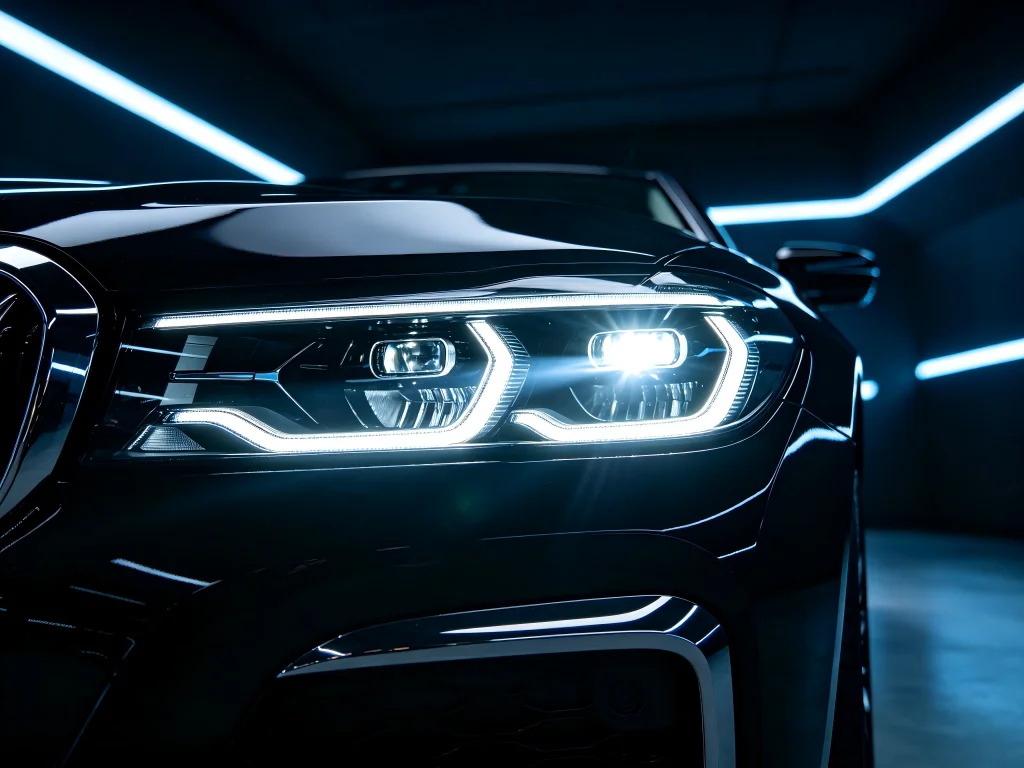
1. لو بیم بمقابلہ ہائی بیم: تکنیکی بنیاد جو ہر خریدار کو سمجھنی چاہیے
Low beams are designed for normal nighttime driving. They illuminate the road 150 to 200 feet ahead and are angled downward to avoid blinding oncoming traffic.. High beams throw light 250 to 350 feet or more, aimed straight ahead for maximum visibility on unlit roads..۔
The engineering difference is significant. Low beams have a sharp horizontal cutoff in the beam pattern to prevent light from reaching other drivers' eyes. High beams have no such restriction—they are allowed to throw light upward and forward.
This means you can't simply ‘brighten your low beams” and expect better results. The housing and reflector are calibrated for a specific beam pattern. Change the light source without matching the optics, and you'll create glare for others while reducing your usable light.
2. Bulb Types: What's Actually Inside Your Headlights
Understanding bulb types is essential for any low beam vs. high beam headlights comparison. Here's what you need to know.
2.1. Dual Filament Bulbs (H4 / 9003 / HB2)
These bulbs have two filaments in one housing—one for low beam, one for high beam. When you switch beams, the headlight changes which filament is active. The reflector is precisely adjusted to match each filament's position.
Advantages: Simple, cost-effective, one bulb does both jobs.
Disadvantages: When high beam is active, low beam turns off, creating a dark spot directly in front of the vehicle.
2.2. Single Filament Systems (H7 / 9005 / 9006)
These use separate bulbs for low and high beams. Each bulb has one filament and is dedicated to a single beam pattern.
Advantages: When high beam is active, low beam stays on, providing better near-field illumination. Light output is higher due to the interaction of two lamps.
Disadvantages: Two instead of four bulbs are required. Replacement cost is higher over time.
2.3. LED vs Halogen vs HID Facts
Bulb type matters less than beam pattern. But here is a comparison:
| خصوصیت | Halogen | HID | LED |
|---|---|---|---|
| متوقع عمر | 500-1,000 hours | 2,000-3,000 hours | 30,000+ hours |
| Energy Efficiency | کم | Medium | High |
| Beam consistency | Decreases over time | Stable | Stable |
| Warm-up time | فوری | Several seconds | فوری |
LEDs offer clear advantages over halogen and xenon: they are more energy-efficient and last significantly longer. But the key factor is beam pattern consistency. A quality LED matches the filament position of the original bulb. A cheap LED does not—and you will pay for that mistake every night you drive.
3. Fog Low Beam vs High Beam: What the Rules and Regulations Don't Tell You
Every driver knows that high beams should not be used in fog. But very few understand کیوں— or what should be done instead.
Suspended water droplets in fog scatter light. High beams push more light at a higher angle, creating back-glare that reflects into your eyes. Low beams are angled downward, so they illuminate the road surface rather than lighting up the fog ahead.
Fog lights are different from both. They cast a wide, low pattern that reduces glare. But they are not a substitute for low beams—they are an addition. For best visibility in bad weather, use low beams and and fog lights together.
AAA research confirms that low beams are the right choice in rain and fog, while high beams are used on dark, empty roads where there is no oncoming traffic.
4. Low Beam vs High Beam Symbol: What Your Dashboard Is Trying to Tell You
Knowing the symbols is basic. Understanding what they don't tell you is advanced.
The low beam indicator is green with lines pointing downward. The high beam indicator is blue with lines pointing straight out. These symbols tell you which beam is active. What they don't tell you:
- Have your bulbs burned out and are giving less light
- Are your headlights aimed correctly
- Are your lenses foggy and reducing light output
- Should you be using high beams in current conditions
In North America, “low” and “high” beams are standard terms. In Europe, you will hear “dipped” and “main” beams. Same function, different terminology.
What do the top search results about low beam vs high beam get wrong
We analyzed the top 20 articles for “low beam vs high beam”. Here is what they consistently miss.
وہ بلب کی تنزلی کو حل نہیں کرتے۔. زیادہ تر گائیڈز بلب کو اس طرح پیش کرتے ہیں جیسے وہ پہلے دن سے لے کر جلنے تک یکساں کارکردگی دیتے ہیں۔ وہ ایسا نہیں کرتے۔ ہالوجن کی روشنی وقت کے ساتھ نمایاں طور پر کم ہوتی ہے۔ جب تک بلب فیل ہوتا ہے، ہو سکتا ہے کہ وہ مہینوں سے اپنی درجہ بند روشنی کا نصف پیدا کر رہا ہو۔.
وہ ہیڈلائٹ کی سمت کو نظر انداز کرتے ہیں۔. آپ کی روشنیاں صرف اپنی سمت جیسی اچھی ہوتی ہیں۔ غلط سمت والی ہیڈلائٹس مرئیت کم کرتی ہیں اور دوسرے ڈرائیوروں کو اندھا کرتی ہیں۔ پھر بھی تقریباً کوئی گائیڈ باقاعدہ دیکھ بھال کے حصے کے طور پر سمت کی جانچ کا ذکر نہیں کرتا۔.
وہ تمام ایل ای ڈی کو برابر سمجھتے ہیں۔. وہ برابر نہیں ہیں۔ کسی نامعلوم برانڈ کی سستی ایل ای ڈی اعلیٰ خام لیمن نمبروں کے باوجود معیاری ہالوجن سے کم مفید روشنی پیدا کر سکتی ہے۔ بیم پیٹرن چمک کی درجہ بندی سے زیادہ اہم ہے۔.
وہ کم بیم بمقابلہ ہائی بیم بلب مطابقت کے سوال کو حل نہیں کرتے۔. کچھ گاڑیاں ہر بیم کے لیے مختلف بلب استعمال کرتی ہیں۔ دوسرے ایک ہی ڈوئل فلیمنٹ بلب استعمال کرتے ہیں۔ غلط قسم خریدنا یعنی آپ کے نئے بلب بالکل کام نہیں کریں گے۔.
6. جی ٹی آر کا فائدہ: پیشہ ور انسٹالر ہماری ایل ای ڈی کیوں منتخب کرتے ہیں
یہاں وہ چیز ہے جو جی ٹی آر لائٹنگ کو کم بیم بمقابلہ ہائی بیم ہیڈلائٹس مارکیٹ میں الگ کرتی ہے۔.
انجینئرنگ کی درستگی۔. Our LEDs are designed to match the filament position of your factory bulbs. The beam goes exactly where it should. No scattered light. No glare for oncoming drivers. Just clean, useful light that works with your vehicle's optics.
Thermal management that actually works. LED light output decreases as temperature rises. Our designs keep the diodes cool, maintaining consistent light output during hours of driving. Cheap LEDs overheat and dim—often within minutes of turning them on.
Real-world testing. We don't just test in the lab. We test on real vehicles, on real roads, in real conditions. Rain. Fog. Snow. Extreme heat. Extreme cold. If it doesn't perform in the real world, it doesn't leave our facility.
Plug-and-play compatibility. Our bulbs install in minutes using your existing housings. No cutting. No splicing. No modifications. Just better light.
7. Low Beam vs. High Beam: A Decision-Making Framework
When you're choosing among lighting options, ask yourself these questions:
- What bulb type does my vehicle use? Check your owner's manual or look at your current bulbs. H4/9003 means dual filament. H7/9005/9006 means separate bulbs for each beam.
- What is my driving environment? Mostly city driving? Focus on low beam quality. Mostly rural highways? High beam performance matters more.
- What is my budget? Quality LEDs cost more upfront but last longer and perform better. Cheap LEDs are false economy.
- Am I ready to test my aim? Even the best bulbs won't help if your headlights are aimed wrong.
8. Frequently Asked Questions About Low Beam vs High Beam Headlights
Q: Are high beam and low beam the same bulb?
It depends on your vehicle. Some use the same dual filament bulb (H4). Others use separate single filament bulbs.
Q: Can I use LED bulbs in my factory housings?
Yes, but only if they're designed to match the filament position. Cheap LEDs often aren't, causing glare and reduced visibility.
Q: How often should I replace my headlight bulbs?
Halogen bulbs should be replaced every 2-3 years or when you notice dimming. LEDs last much longer—30,000+ hours.
Q: Why do my high beams seem dim?
It could be bad bulbs, cloudy lenses, misaligned headlights, or poor electrical connections. Check all four.
Q: What is the legal difference between low beam and high beam?
Low beam should not glare oncoming drivers. High beam has no such restriction but must be dimmed when other vehicles approach.
Q: Can I use high beams during the day?
You can, but it's usually not necessary. Daytime running lights or low beams provide adequate visibility.
9. Invest in Better Lighting
You're researching low beam vs high beam headlights because you care about safety. You want to see better. You want to drive with confidence.
The difference between adequate lighting and optimal lighting isn't measured in lumens. It's measured in feet of stopping distance. In seconds of reaction time. In the difference between seeing the deer and hitting it.
Check out the GTR Lighting collection today And find LED solutions designed for your vehicle. Because the best time to upgrade your headlights was yesterday. The second best time is now.