
Đang tìm kiếm loại bóng đèn bóng đèn pha h1 phù hợp có thể giống như giải mã một ngôn ngữ nước ngoài. Lumens, nhiệt độ màu, kiểu chùm sáng, khả năng tương thích CANbus, quản lý nhiệt—danh sách này còn dài. Và mỗi nhà sản xuất đều tuyên bố bóng đèn pha h1 led của họ là “sáng nhất” hoặc “đáng giá nhất.” Hướng dẫn này sẽ loại bỏ những chiêu trò tiếp thị. Dựa trên nhiều năm chuyên môn sản xuất và thử nghiệm thực tế, chúng tôi sẽ chỉ cho bạn chính xác điều gì phân biệt các bóng đèn pha h1 lựa chọn chuẩn chuyên nghiệp với những loại cuối cùng phải vứt vào thùng rác sau sáu tháng.
1. Tìm hiểu các lựa chọn bóng đèn pha H1 của bạn
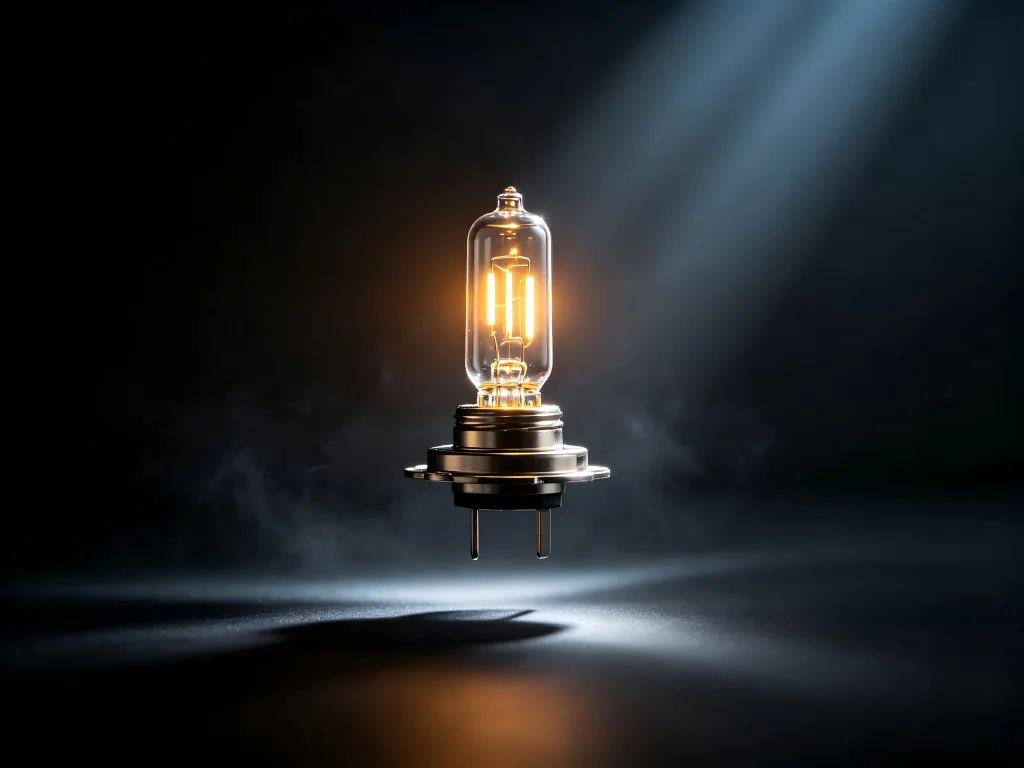
Ba công nghệ bóng đèn pha H1 chính là halogen (tiêu chuẩn OEM, tuổi thọ ~1.000 giờ), HID (công suất cao, lắp đặt phức tạp) và LED (hơn 30.000 giờ, bật sáng tức thì, yêu cầu căn chỉnh quang học chính xác).
Mỗi công nghệ phục vụ những ưu tiên khác nhau. Hãy cùng phân tích những gì bạn thực sự nhận được với từng lựa chọn.
1.1. Bóng đèn pha H1 Halogen: Lựa chọn đã biết
Halogen bóng đèn pha h1 các sản phẩm này là loại được trang bị từ nhà máy cho xe của bạn. Chúng hoạt động. Chúng không đắt. Và chúng mờ theo tiêu chuẩn hiện đại.
Công suất halogen tiêu chuẩn bóng đèn pha h1 đạt khoảng 1.000–1.200 lumens với nhiệt độ màu 3.200K hơi vàng. Tuổi thọ trung bình 500–1.000 giờ. Công nghệ này đã được chứng minh, nhưng giới hạn hiệu suất thấp.
Các nâng cấp halogen cao cấp từ các thương hiệu như Osram hoặc Philips có thể tăng độ sáng cao hơn—thử nghiệm của Auto Express cho thấy một số sản phẩm mang lại hiệu suất cao hơn tới 220% so với mức tối thiểu hợp pháp. Tuy nhiên, bạn vẫn phải đối mặt với dây tóc dễ vỡ, tỏa nhiệt cao và tuổi thọ phải thay thế mỗi một hoặc hai năm.
Ưu điểm của halogen: Chi phí ban đầu thấp nhất. Tương thích phổ biến. Không có vấn đề CANbus.
Nhược điểm của halogen: Tuổi thọ ngắn. Ánh sáng hơi vàng. Độ sáng hạn chế. Kết cấu dễ vỡ.
1.2. Bóng đèn pha HID H1: Vua về độ sáng (kèm theo phức tạp)
HID (Phóng điện cường độ cao) bóng đèn pha h1 các tùy chọn tạo ra ánh sáng cường độ cao thông qua hồ quang điện giữa các điện cực. Công suất đầu ra có thể đạt 3.000+ lumen—sáng hơn đáng kể so với halogen.
Nhưng HID đi kèm với những đánh đổi. Việc lắp đặt phức tạp hơn, thường yêu cầu ballast và dây điện tùy chỉnh. Thời gian khởi động ấm có nghĩa là bạn không có được độ sáng tối đa ngay lập tức. Và kiểu chùm sáng có thể nổi tiếng là khó căn chỉnh chính xác trong các hộp đèn H1.
HID bóng đèn pha h1 tuổi thọ trung bình khoảng 2.000 giờ—tốt hơn halogen nhưng kém xa LED. Các tùy chọn nhiệt độ màu từ 3.800K ấm đến trắng xanh mát.
Ưu điểm của HID: Công suất ánh sáng rất cao. Tuổi thọ tốt so với halogen.
Nhược điểm của HID: Lắp đặt phức tạp. Độ trễ khởi động ấm. Vấn đề chói tiềm ẩn. Chi phí cao hơn halogen.
1.3. Bóng đèn pha LED H1: Tiêu chuẩn hiện đại
LED bóng đèn pha h1 công nghệ đã phát triển vượt bậc. Các tùy chọn cấp chuyên nghiệp ngày nay cung cấp 4.000–6.000 lumen hiệu dụng với nhiệt độ màu trắng tinh khiết 5.700K–6.000K. Tuổi thọ đạt 30.000+ giờ—nghĩa là bạn có thể sẽ không bao giờ phải thay chúng nữa.
Vấn đề? Hiệu suất LED phụ thuộc hoàn toàn vào độ chính xác quang học và quản lý nhiệt. Một bóng đèn pha h1 led được thiết kế kém sẽ tạo ra ánh sáng tán xạ, điểm tối và hỏng sớm. Một sản phẩm được thiết kế tốt sẽ biến đổi việc lái xe ban đêm.
Ưu điểm của LED: Tuổi thọ vượt trội. Bật sáng tức thì. Ánh sáng trắng tinh khiết. Tiết kiệm năng lượng. Chống sốc.
Nhược điểm của LED: Chất lượng rất khác biệt. Đòi hỏi kỹ thuật chính xác. Chi phí ban đầu cao hơn cho các lựa chọn cấp chuyên nghiệp.
2. Điều mà hầu hết các bài đánh giá bóng đèn pha H1 hiểu sai
Đây là thực tế mà hầu hết bóng đèn pha h1 các hướng dẫn sẽ không nói với bạn: các con số lumen và wattage phần lớn vô nghĩa nếu không có ngữ cảnh.
2.1. Cái bẫy Lumens
Các nhà sản xuất thích trích dẫn lumen thô. “60.000 lumen!” “Sáng hơn 400%!” Những con số này nghe có vẻ ấn tượng. Nhưng lumen thô đo tại chip LED không chuyển thành lumen hiệu dụng trên đường.
Hãy nghĩ theo cách này: một chiếc đèn pin chiếu lên trần nhà tạo ra rất nhiều lumen thô. Nhưng những lumen đó không giúp bạn nhìn thấy con đường phía trước. Nguyên tắc tương tự cũng áp dụng cho đèn pha. Nếu mẫu chùm sáng bị phân tán hoặc lệch hướng, những “lumen cao” đó sẽ không bao giờ chiếu tới mặt đường.
Cấp chuyên nghiệp bóng đèn pha h1 các nhà sản xuất tập trung vào lumen hiệu dụng—ánh sáng thực sự chiếu sáng con đường. Điều này đòi hỏi vị trí chip chính xác, quang học phù hợp và xác nhận mẫu chùm sáng.
2.2. Huyền thoại Wattage
“Đèn LED 300 watt!” là dòng quảng cáo trên trang sản phẩm. Đây là thực tế kỹ thuật: một đèn LED 300 watt thực sự sẽ làm chảy vỏ đèn pha bằng nhựa trong vài phút. Hầu hết những tuyên bố này “cộng dồn” xếp hạng chip tối đa theo lý thuyết, không phải mức tiêu thụ điện thực tế.
Hiệu dụng bóng đèn pha h1 led các đơn vị thường hoạt động trong khoảng 20W đến 55W mỗi bóng. Bất cứ thứ gì cao hơn đáng kể mà không có quản lý nhiệt tương ứng là một dấu hiệu đáng ngờ—nó hoặc chạy nóng nguy hiểm hoặc giảm hiệu suất để tránh tự hủy.
2.3. Ảo ảnh "Thiết kế 1:1"
Mọi bóng đèn pha h1 led đều tuyên bố “thiết kế halogen 1:1” ngày nay. Nhưng “1:1” không được quy định. Một số nhà sản xuất đặt chip LED của họ hơi lệch khỏi vị trí dây tóc gốc. Sự khác biệt có thể là 1mm. 1mm đó chuyển thành các điểm tối và ánh sáng phân tán trên đường.
Làm thế nào để xác minh? Tìm ảnh mẫu chùm sáng. Đọc đánh giá người dùng đề cập cụ thể đến chất lượng chùm sáng. Chọn các thương hiệu thể hiện chuyên môn kỹ thuật—không chỉ là tuyên bố tiếp thị.
3. Các yếu tố quan trọng để chọn bóng đèn pha H1
3.1. Công nghệ chip và vị trí
Đèn LED Chip Scale Package (CSP) hiện là tiêu chuẩn vàng cho hệ thống chiếu sáng ô tô. Chúng nhỏ hơn, hiệu quả hơn và tạo ra chùm sáng tập trung hơn so với các gói LED truyền thống. Khi so sánh bóng đèn pha h1 led các lựa chọn, hãy tìm “chip CSP” trong thông số kỹ thuật. Những bóng đèn không ghi rõ công nghệ chip có thể đang sử dụng thiết kế cũ, kém hiệu quả hơn.
Thậm chí quan trọng hơn loại chip là vị trí đặt chip. Các chip LED phải nằm chính xác ở vị trí dây tóc halogen. Điều này là bắt buộc để có mẫu chùm sáng đúng.
3.2. Quản lý nhiệt
Nhiệt là kẻ thù của hiệu suất LED. Vỏ H1 nhỏ và giữ nhiệt hiệu quả. Một bóng đèn pha h1 led mà không có làm mát chủ động sẽ xuống cấp nhanh chóng.
Hãy tìm quạt bi đôi hoặc đế đồng làm mát bằng chất lỏng. Kiểm tra rằng hệ thống làm mát vừa với vỏ đèn của bạn—một số bóng đèn có quạt quá lớn sẽ không vừa nắp chắn bụi.
Bộ điều khiển bên ngoài (tách rời khỏi thân bóng đèn) tản nhiệt tốt hơn so với thiết kế tích hợp và cho phép mạch CANbus mạnh mẽ hơn.
3.3. Tương thích CANbus
Xe hiện đại sử dụng hệ thống điện tinh vi. Nhiều bóng đèn pha h1 led lựa chọn gây cảnh báo trên bảng đồng hồ vì chúng tiêu thụ ít điện hơn bóng halogen. Những loại khác bị nhấp nháy do không tương thích PWM.
Bóng đèn cấp chuyên nghiệp bao gồm trình điều khiển CANbus tích hợp giao tiếp đúng với máy tính của xe bạn. Không cần điện trở bổ sung. Không mã lỗi. Không nhấp nháy.
3.4. Nhiệt độ màu
Nhiệt độ màu được đo bằng Kelvin (K). Số thấp hơn trông ấm hơn/vàng hơn. Số cao hơn trông lạnh hơn/xanh hơn.
Halogen bóng đèn pha h1 các đơn vị nằm khoảng 3.200K—hơi vàng và lỗi thời. Nhiều lựa chọn LED nhắm đến 6.500K để có vẻ ngoài “xanh băng” hiện đại. Tuy nhiên, các tài xế chuyên nghiệp thường thích 5.700K–6.000K trắng tinh khiết.
Tại sao? Chỉ số Kelvin cao hơn (ánh sáng xanh) có xu hướng phản xạ khỏi sương mù và mưa, gây ra “tán xạ ngược” làm giảm tầm nhìn. Ánh sáng trắng tinh khiết mang lại khả năng hiển thị màu tốt nhất, giúp bạn phân biệt ổ gà với bóng tối hiệu quả hơn.
3.5. Đầu nối và lắp đặt
Thiết kế H1 sử dụng đế P14.5s độc đáo. đầu nối bóng đèn pha h1 phải duy trì kết nối chặt, điện trở thấp. Các kẹp giữ bóng đèn pha h1 phải giữ bóng đèn chắc chắn.
Kiểm tra xem xe của bạn có yêu cầu cụ thể bộ chuyển đổi bóng đèn pha h1 các cấu hình. Một số xe sử dụng kết nối một chấu cần bộ chuyển đổi. Bộ đèn LED chất lượng bao gồm dây điện cần thiết.
Cũng xác minh kích thước tổng thể. Một số bóng đèn pha h1 led tùy chọn quá dài hoặc quá rộng cho các hộp đèn cụ thể. Tìm thiết kế nhỏ gọn phù hợp mà không cần sửa đổi.
4. So sánh bóng đèn pha H1: Cấp chuyên nghiệp so với Tùy chọn bán lẻ
| Tính năng | Đèn halogen tiêu chuẩn | Đèn LED bán lẻ (Phụ tùng ô tô) | Đèn LED chuyên nghiệp | HID |
|---|---|---|---|---|
| Lumen hiệu dụng | ~1,000 | ~2.500–4.000 | ~4.000–6.000+ | ~3,000+ |
| Tuổi thọ | 500–1.000 giờ | 5.000–10.000 giờ | Hơn 30.000 giờ | ~2.000 giờ |
| Color temperature | 3.200K | 6.500K | 5.700K–6.000K | 3.800K–6.000K |
| Độ chính xác chùm tia | Theo thông số nhà sản xuất | Trung bình đến kém | Tối ưu hóa 1:1 | Change |
| Quản lý nhiệt | Thụ động (nóng) | Thường không đủ | Chủ động + tản nhiệt | Làm mát chấn lưu |
| Sẵn sàng CANbus | Luôn luôn | Thường yêu cầu điện trở | Tích hợp sẵn | Cần chấn lưu |
| Installation | Simple | Simple | Simple | Phức tạp |
| Initial cost | $15–40 | $40–100 | $100–200+ | $80–200+ |
5. Bóng đèn pha H1 nào phù hợp với bạn?
Lựa chọn của bạn phụ thuộc vào ưu tiên của bạn:
- Thay thế tập trung vào ngân sách: Halogen bóng đèn pha h1 các đơn vị hoạt động và chi phí thấp. Dự kiến thay thế hàng năm và tầm nhìn hạn chế.
- Nâng cấp cân bằng: LED chuyên nghiệp mang lại tỷ lệ tuổi thọ trên hiệu suất tốt nhất. Chi phí ban đầu cao hơn nhưng hầu như không cần bảo trì thường xuyên.
- Độ sáng tối đa (sẵn sàng thỏa hiệp): HID cung cấp ánh sáng mạnh mẽ nhưng yêu cầu lắp đặt phức tạp và có rủi ro về mẫu chùm sáng.
- Tránh bằng mọi giá: Các “ưu đãi” LED giá rẻ từ các chợ giảm giá. Quản lý nhiệt và độ chính xác quang học đơn giản là không có.
6. Các câu hỏi thường gặp về bóng đèn pha H1
6.1. Bóng đèn pha H1 tương đương là gì?
Bóng đèn H1 còn được gọi là P14.5s hoặc 64150 tại các thị trường ECE. Nó tương thích chéo với các biến thể H1ST và H1XV. Luôn xác minh yêu cầu cụ thể của xe bạn trước khi mua.
6.2. Những xe nào sử dụng bóng đèn pha H1?
Bóng đèn pha H1 phổ biến trên các xe châu Âu bao gồm BMW 3 Series (E36), Audi A4, Volkswagen Golf, các mẫu Porsche, Mercedes-Benz C-Class, và nhiều ứng dụng Ford, Honda và xe máy. Kiểm tra sách hướng dẫn sử dụng của bạn hoặc dùng công cụ tra cứu độ tương thích xe trực tuyến.
6.3. Chi phí thay bóng đèn pha H1 là bao nhiêu?
Halogen cơ bản bóng đèn pha h1 các lựa chọn khởi điểm khoảng $15–30 mỗi cặp. Nâng cấp halogen cao cấp có giá $40–60. LED chất lượng bóng đèn pha h1 nâng cấp thường dao động từ $80–200+ tùy thuộc vào tính năng và chất lượng chế tạo. giá bóng đèn pha h1 phản ánh kỹ thuật bên trong—không chỉ là các linh kiện.
6.4. Tôi có cần bộ chuyển đổi bóng đèn pha H1 để lắp đặt LED không?
Hầu hết các bộ bóng đèn pha h1 led kit chất lượng đều bao gồm dây điện cần thiết cho kết nối tiêu chuẩn. Một số xe có phích cắm một chấu yêu cầu cấu hình bộ chuyển đổi bóng đèn pha h1 cụ thể. Kiểm tra loại đầu nối của xe bạn trước khi đặt hàng.
6.5. Nâng cấp bóng đèn pha H1 lên LED có đáng không?
Có—nếu bạn chọn loại chuyên nghiệp bóng đèn pha h1 led với quản lý nhiệt đúng cách và căn chỉnh quang học. Tuổi thọ hơn 30.000 giờ nghĩa là bạn có thể sẽ không bao giờ phải thay bóng đèn nữa. Khả năng hiển thị được cải thiện giúp tăng đáng kể an toàn khi lái xe ban đêm.
6.6. Tại sao bóng đèn pha H1 của tôi liên tục bị cháy?
Cháy thường xuyên thường cho thấy quản lý nhiệt kém, dao động điện áp, hoặc một đầu nối bóng đèn pha h1 bị xuống cấp gây ra điện trở cao. Hãy kiểm tra các kết nối của bạn trước. Nếu vấn đề vẫn tiếp diễn, hãy nâng cấp lên bóng đèn có làm mát chủ động và driver ổn định.
6.7. Tôi có thể sử dụng bóng đèn LED H1 trong chóa đèn projector không?
Có—nhưng độ chính xác là rất quan trọng. Chóa đèn projector được thiết kế xoay quanh các tiêu điểm cụ thể. Các chip LED phải nằm chính xác ở vị trí mà dây tóc halogen sẽ ở. Dòng H1 của GTR được tối ưu hóa đặc biệt cho quang học projector để đảm bảo đường cắt sắc nét.
6.8. Tôi có nên thay bóng đèn pha H1 theo cặp không?
Chắc chắn rồi. Bóng đèn xuống cấp với tốc độ tương tự nhau. Thay cả hai đảm bảo chùm sáng đều và màu sắc nhất quán. Một cặp không khớp tạo ra chiếu sáng không đều và trông thiếu chuyên nghiệp.
7. Đưa Ra Quyết Định Cuối Cùng Về Bóng Đèn Pha H1
Bây giờ bạn đã biết điều gì phân biệt một loại chuyên nghiệp bóng đèn pha h1 với một loại đáng thất vọng. Bạn hiểu tại sao các con số lumen có thể gây nhầm lẫn. Bạn nhận ra rằng quản lý nhiệt và độ chính xác quang học quan trọng hơn các tuyên bố tiếp thị.
Điểm mấu chốt là: việc thay bóng đèn pha h1 phù hợp sẽ biến đổi trải nghiệm lái xe ban đêm của bạn. Nó loại bỏ việc phải nheo mắt, sự không chắc chắn và chu kỳ thay thế liên tục. Nó mang lại ánh sáng rõ ràng, tập trung chính xác nơi bạn cần—trên con đường phía trước.
Dòng H1 của GTR thể hiện mọi thứ mà hướng dẫn này khuyến nghị: công nghệ chip CSP, căn chỉnh dây tóc 1:1 chính xác, quản lý nhiệt chủ động, driver CANbus tích hợp và kết nối được gia cố. Hiệu suất cấp kỹ thuật không thỏa hiệp.
Sẵn sàng nâng cấp bóng đèn pha H1 của bạn lên hiệu suất chuyên nghiệp? Khám phá các giải pháp đèn LED H1 của GTR và trải nghiệm sự khác biệt mà kỹ thuật chính xác mang lại.